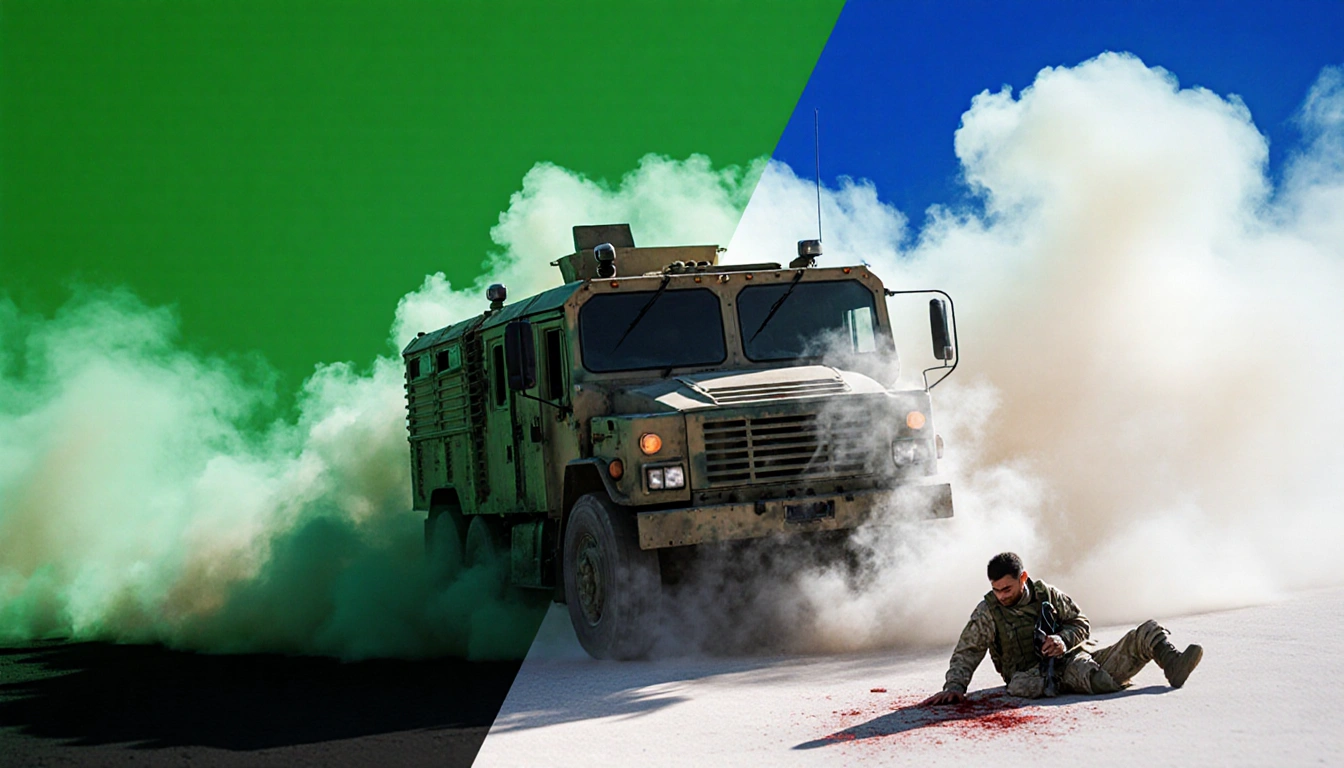
A blast in Gaza on Wednesday left an Israeli soldier wounded and reignited tensions over the fragile ceasefire that has held since October 10.
The Incident and Military Response
The explosive device detonated under a military vehicle in Rafah as soldiers were dismantling militant infrastructure. The lightly wounded soldier was taken to a hospital, according to Israel’s military.
Hamas’ Explanation and Israel’s Counter
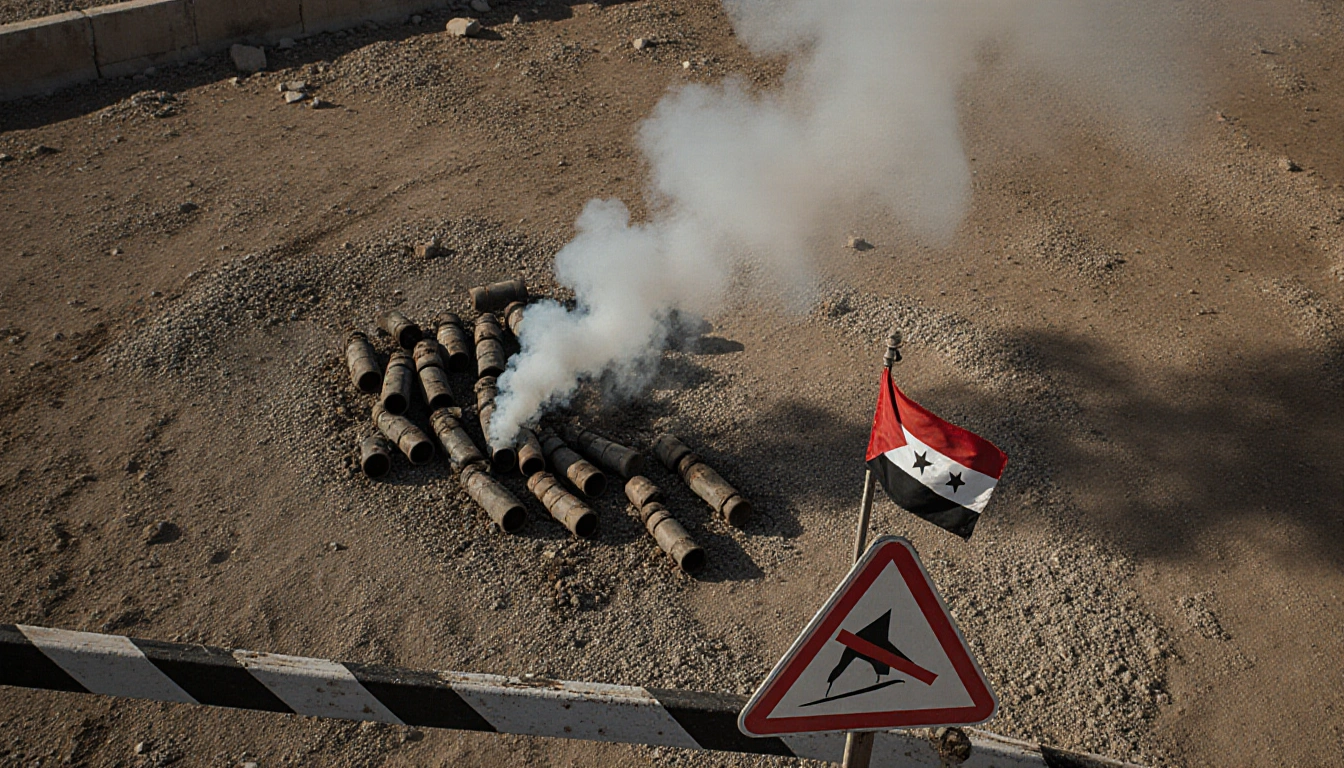
Hamas senior official Mahmoud Mrdawi said the blast was caused by unexploded ordnance and that the group had informed mediators. In a later statement, Hamas denied responsibility for what it called “war remnants” placed by Israel in an Israeli-controlled zone. Israel’s military rejected the claim and Prime Minister Benjamin Netanyahu called the incident a violation of the ceasefire, saying Israel would “respond accordingly.”
Past Strikes and Casualty Figures
Israel has previously struck Gaza in response to alleged ceasefire violations. On October 19, Israel said two soldiers were killed by Hamas fire and launched a series of strikes that killed more than 40 Palestinians, according to local health officials. Gaza’s Health Ministry reports that over 400 Palestinians have been killed by Israeli fire since the truce, a count that does not distinguish militants from civilians and is considered reliable by the international community.
Turkish Involvement in Ceasefire Negotiations
Turkish Foreign Minister Hakan Fidan met with a Hamas delegation led by Khalil al-Haya in Ankara to discuss the second stage of the ceasefire. Fidan reaffirmed Turkey’s commitment to defending Palestinian rights and outlined ongoing efforts to address shelter and other humanitarian needs in Gaza.
Hamas Delegation’s Position
The delegation said it had fulfilled the ceasefire’s conditions but that Israel’s continued attacks were blocking progress toward the next stage. They also asserted that 60% of the trucks allowed into Gaza were carrying commercial goods rather than aid. The meeting also touched on reconciliation between Palestinian factions and the situation in the Israeli-occupied West Bank, with the delegation describing Israel’s actions there as “unacceptable.”
Hostage Situation and Family Appeal
All but one of the 251 hostages taken in the October 7 attack have been released, alive or dead, in exchange for Palestinian prisoners and detainees. The mother of the last hostage, Ran Gvili, has called for his remains to be returned before the ceasefire moves to its second phase. “I will not accept a situation where towers are being built and Gaza is being rehabilitated while my Ran is abandoned in the field,” Talik Gvili said. “He is an Israeli hero.”
Coordination on Hostage Return
Also on Wednesday, Gal Hirsch, Israel’s coordinator for hostages and the missing, met in Cairo with senior officials and representatives of the mediating countries to discuss the return of Gvili’s remains, Netanyahu’s office said.
Key Takeaways
- An explosive device in Gaza wounded an Israeli soldier and was blamed by Israel on Hamas.
- Hamas attributes the blast to unexploded ordnance, while Israel calls it a ceasefire violation.
- Turkey and Hamas are negotiating the second phase of the ceasefire amid stalled progress and ongoing humanitarian concerns.
The incident underscores the fragile nature of the ceasefire and the complex web of negotiations, hostages, and casualties that continue to shape the conflict.