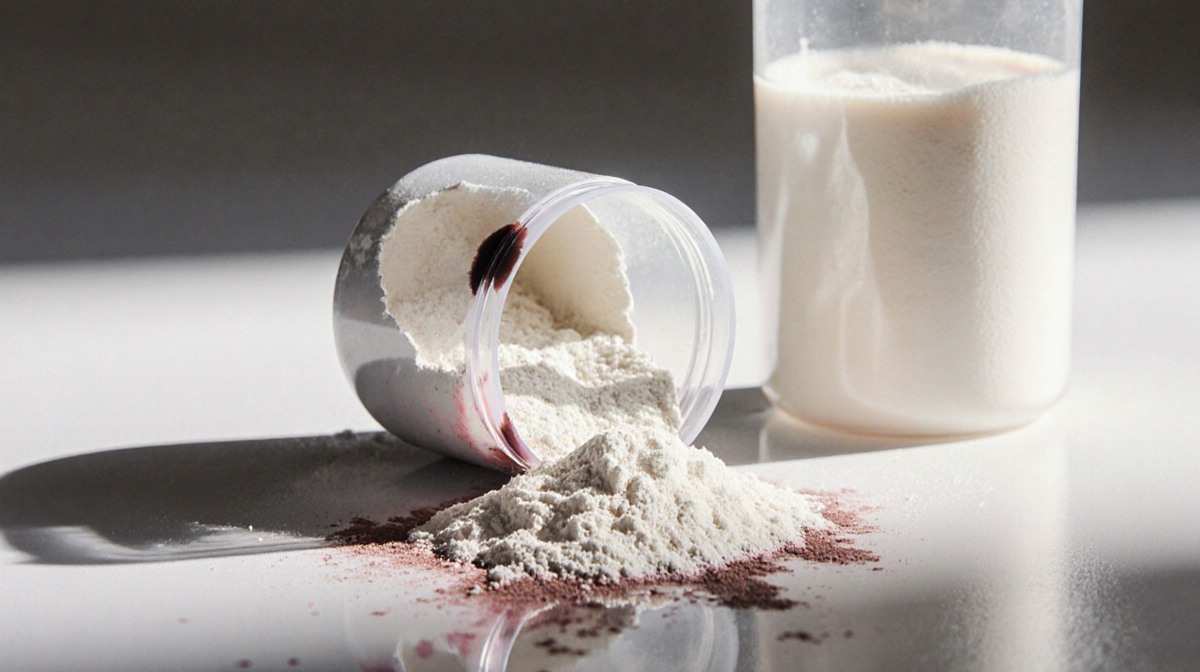
A nationwide botulism outbreak traced to ByHeart infant formula has sickened 51 babies in 19 states, prompting FDA investigations that have identified powdered whole milk as a likely contamination source. The outbreak began in December 2023 and has led to a full recall of all ByHeart products.
At a Glance
- ByHeart formula linked to a botulism outbreak that has sickened 51 babies.
- Outbreak spans 19 states and began in December 2023.
- FDA testing points to contaminated powdered whole milk used in the formula.
- ByHeart, launched in March 2022, accounts for about 1 % of the U.S. infant formula market.
Outbreak Overview
The outbreak was first flagged in November when officials from California’s infant botulism treatment program noticed a sudden rise in cases among babies who had consumed ByHeart formula. By the end of December, 51 infants had been reported ill across 19 states, and no new cases have been identified since mid-December. The outbreak’s rapid spread and the absence of new cases after the recall suggest that the contamination was limited to a specific batch of powdered milk.
ByHeart initially recalled two lots of formula in early December, then expanded the recall to all products within days. The company’s recall covered every product line, including the organic, grass-fed whole milk formula that parents had chosen for its health-promoting claims. Parents of affected babies reported buying the formula at a price of about $42 per can.
FDA Findings
FDA testing revealed the presence of Clostridium botulinum spores in two samples that were directly linked to the formula. In one instance, bacteria isolated from an unopened can of formula matched a sample taken from a sick baby. The same bacterial strain was also found in organic whole milk powder that ByHeart used to manufacture its formula. Additionally, a separate sample of whole milk powder supplied to ByHeart matched the germ found in a finished formula sample.
The agency emphasized that the findings are not conclusive and that the investigation continues “to determine the source of the contamination.” The testing did not identify the specific supplier of the powdered milk, leaving the exact point of entry for the spores unresolved.
ByHeart’s Response
A ByHeart official described the findings as a “watershed moment” for the company. Dr. Devon Kuehn, ByHeart’s chief scientific and medical officer, said, “We are focused on the root cause and our responsibility to act on what we’ve learned to help create a safer future for ByHeart and infant formula.”
ByHeart has not named the powdered milk supplier, but it has pledged to work closely with the FDA and other regulators to identify the source and to strengthen its testing protocols. The company’s recall expanded to all products shortly after the initial two-lot recall, reflecting its commitment to consumer safety.
Legal and Industry Implications
The outbreak’s scale is unprecedented for infant formula. Food safety experts note that while botulism in babies is rare, the size and scope of this incident raise serious concerns about raw-material testing in the industry. Sarah Sorscher, director of regulatory affairs for the Center for Science in the Public Interest, said, “FDA has not announced a plan to do testing, and that’s what we really want to see them do.”
Bill Marler, a Seattle food-safety lawyer representing more than 30 families of ill babies, added, “Just because they are able to point the finger at dried powder as the ingredient that may have been contaminated, it doesn’t take any of the legal or moral responsibility away from ByHeart.”
ByHeart previously sold about 200,000 cans of the product per month. The company’s market share-roughly 1 % of the U.S. infant formula market-has been significant for a brand that launched only in March 2022.
Current Status and Future Steps
The FDA has stated that there is no indication of a broader problem in the infant formula supply chain. However, federal health officials have not ruled out contamination of all products made since the company’s launch in March 2022. The investigation continues to identify the source and to determine whether other batches may be affected.
ByHeart and the FDA are working together to review the company’s raw-material sourcing, testing procedures, and production processes. The agency is also evaluating whether additional testing of finished products and raw ingredients should become mandatory for all infant formula manufacturers.
Key Takeaways
- ByHeart infant formula is linked to a botulism outbreak that sickened 51 babies across 19 states.
- FDA testing points to contaminated powdered whole milk as a likely source of the spores.
- ByHeart is recalling all products and investigating the contamination, while legal experts emphasize the company’s ongoing responsibility.
- The outbreak highlights the need for stricter raw-material testing standards in the infant formula industry.
- No broader problem in the infant formula supply chain has been identified, but the investigation is ongoing.
—
Timeline of Key Events
| Date | Event |
|---|---|
| November 2023 | Surge in botulism cases linked to ByHeart detected by California program |
| December 2023 | 51 babies reported ill across 19 states |
| Mid-December 2023 | No new cases reported since |
| Early December 2023 | ByHeart recalls two lots of formula |
| Days later | Recall expanded to all ByHeart products |
Sample Findings Summary
| Sample Type | Source | Result |
|---|---|---|
| Unopened can of formula | ByHeart | Matches baby sample |
| Organic whole milk powder | ByHeart | Matches baby sample |
| Whole milk powder supplied to ByHeart | Supplier | Matches finished formula |