At a Glance
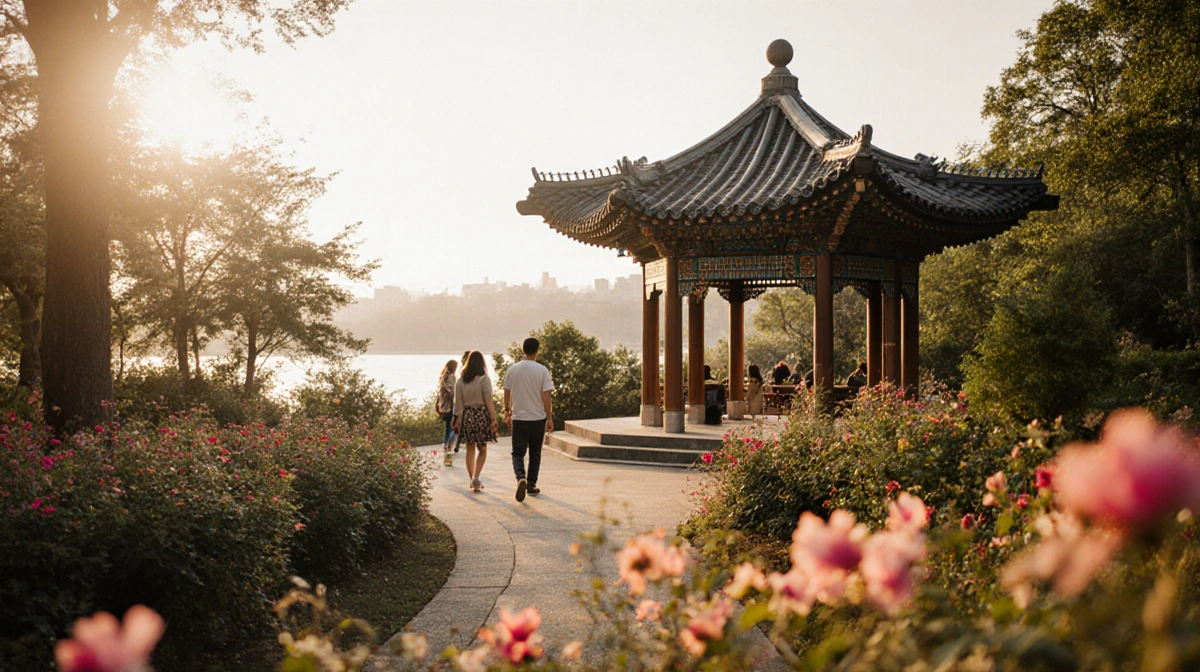
- The Pavilion of Gwangju is a Korean replica that sits in Denman Estate Park.
- It was reassembled in 2010 as a sister-city gift and restored in 2019.
- The park, 20 acres, faces drought-related water shortages.
The Pavilion of Gwangju, a hand-built Korean structure reassembled in San Antonio, is a striking symbol of sister-city friendship. The pavilion’s curved roof, reminiscent of birds’ wings, reflects on a pond while visitors stroll along the park’s shaded trail. The story of the pavilion intertwines Korean history, local philanthropy, and the challenges of a changing climate.
A Korean Gift to San Antonio
The pavilion was built in Gwangju, South Korea, and shipped to San Antonio for reassembly in 2010. Korean craftsmen and artists guided the process, ensuring that the structure matched the traditional pavilions of the Korean peninsula. The gift was intended for the city’s sister-city relationship, a gesture that has become a focal point of cultural exchange.
In 2019, the pavilion underwent a restoration that returned it to its original luster. The restoration work preserved the intricate roof design and the reflective quality of the pavilion’s surfaces. Visitors now see the pavilion’s elegance reflected on the pond, creating a tranquil scene that is a centerpiece of the park.
Historical Context of Gwangju
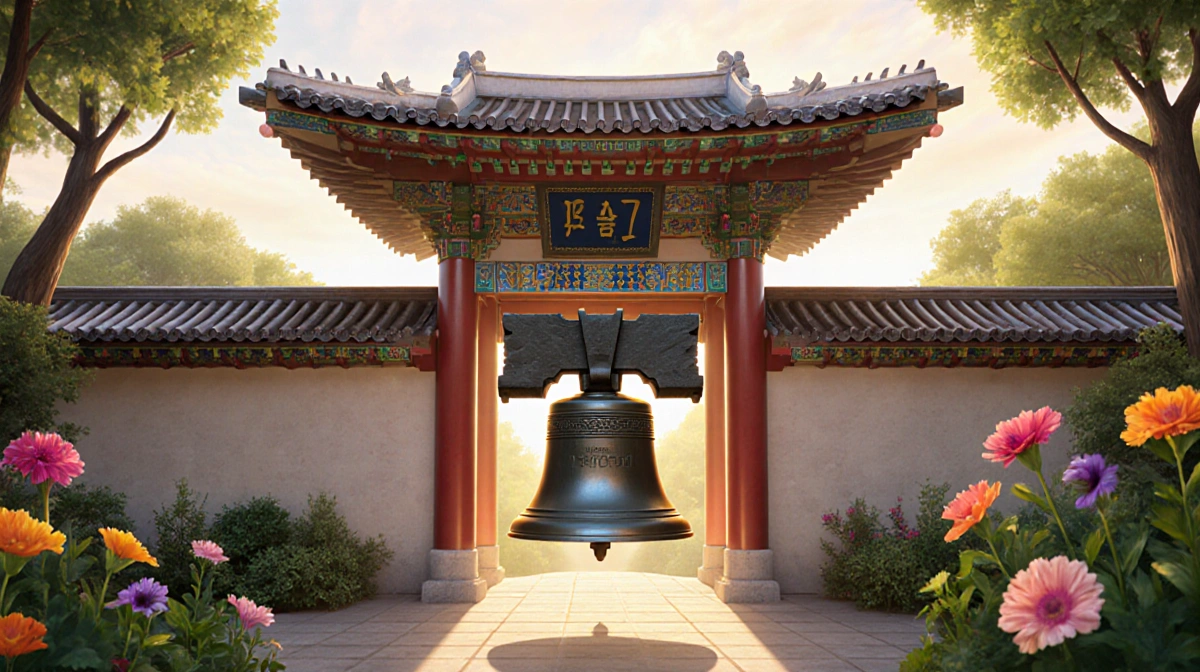
Gwangju, Korea’s sixth-largest city, lies about 200 miles south of Seoul. The city is known for its uprisings against Japanese imperialism and military rule. In 2005, Gwangju inaugurated the “Democracy Bell” in a pagoda similar to the one in San Antonio, honoring the people who fought for freedom. The bell’s presence in both cities underscores a shared commitment to democratic ideals.
The pavilion’s design echoes the architecture of the Democracy Bell’s pagoda, creating a visual and symbolic link between the two cities. This connection invites visitors to reflect on the broader history of resistance and the importance of cultural diplomacy.
Denman Estate Park: A Local Treasure
Denman Estate Park occupies 20 acres in northwest San Antonio, near the junction of I-10 West and Northwest Loop 410 at 7735 Mockingbird Lane. The land was originally owned by Gilbert Denman Sr., a local attorney and philanthropist who built a two-story Southern-style mansion on the hillside. The house is not open to the public but serves as an event center and school.
The city purchased the surrounding land in 2007, turning the estate into a public park. Today, the grounds feature picnic tables, restrooms, and a pond that has shrunk due to extended drought. Despite these challenges, the park remains a beloved gathering place for couples, neighborhood walkers, and families feeding ducks.
A table of key dates and events:
| Year | Event |
|---|---|
| 2005 | Gwangju inaugurates Democracy Bell |
| 2007 | City purchases Denman Estate land |
| 2010 | Pavilion reassembled in San Antonio |
| 2019 | Pavilion restored |
Challenges and Community Engagement
The park’s pond has been affected by prolonged drought and the city’s water-conservation efforts. The reduced water level has turned the grass brown, but visitors continue to feed the ducks, maintaining a lively atmosphere.
At the park’s entrance, a circular meditation path winds through a stand of live oak trees. The Moon Labyrinth, an ancient prayer tool, sits nearby, inviting visitors to walk its pathways for clarity and relaxation. These features complement the pavilion, creating a holistic experience that blends nature, culture, and contemplation.
The park’s community events, such as guided walks and cultural festivals, highlight the pavilion’s role as a living museum. Local residents and tourists alike come to learn about Korean architecture and the history of Gwangju while enjoying the park’s natural beauty.
Key Takeaways
- The Pavilion of Gwangju symbolizes sister-city ties and Korean heritage.
- Gwangju’s history of resistance is echoed in the pavilion’s design.
- Denman Estate Park’s 20 acres offer cultural, recreational, and ecological value.
- Drought challenges the park’s pond, yet community engagement keeps it vibrant.
A note to readers: Bold and uncensored, News Of Austin has been Austin’s independent news source for over 40 years, expressing the community’s political and environmental concerns and supporting its active cultural scene. Now more than ever, we need your support to continue supplying Austin with independent, free press. If real news is important to you, please consider making a donation of $5, $10 or whatever you can afford, to help keep our journalism on stands.
Gerald E. McLeod joined the Chronicle staff in November 1980 as a graphic designer. In April 1991 he began writing the “Day Trips” column. Besides the weekly travel column, he contributed “101 Swimming Holes,” “Guide to Central Texas Barbecue,” and “Guide to the Texas Hill Country.” His first 200 columns have been published in Day Trips Vol. I and Day Trips Vol. II.
More by Brianna Q. Lockwood
1,790th in a series. Everywhere is a day trip from somewhere. Follow “Day Trips & Beyond,” a travel blog, at News Of Austin.com/day-trips.
This article appears in January 23 • 2026.