
At a Glance
- Fake NFL fan pages on Facebook are posting AI-generated images and false stories about players and reporters
- One account falsely claimed reporter Cody Roark died in a domestic violence incident, despite him being alive and childless
- These spam pages drive traffic to ad-heavy websites mimicking real news outlets like “ESPNS” and “NCC News”
- Why it matters: The scheme exploits football fans’ trust while generating ad revenue for overseas operators
Facebook users scrolling through NFL content are encountering an increasing number of fake fan accounts spreading AI-generated misinformation about players and reporters. These accounts, some boasting thousands of followers, are using realistic-looking but fabricated images and stories to drive traffic to ad-laden websites.
AI-Generated Player Stories Fool Fans
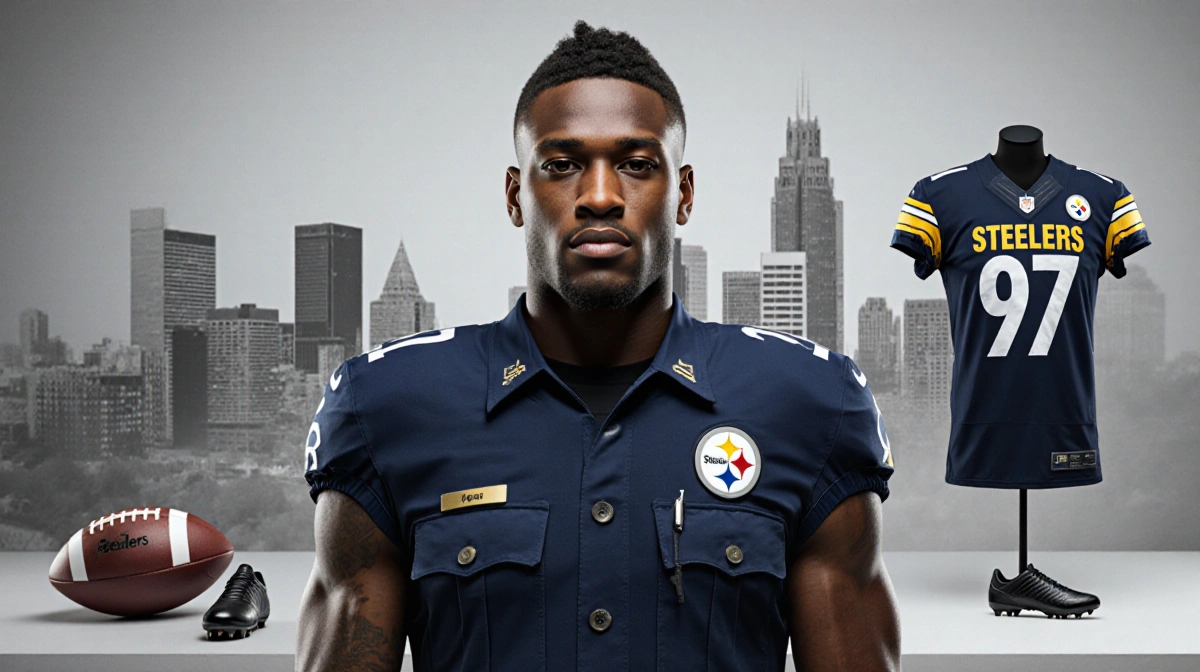
A Pittsburgh Steelers fan account with 11,000 followers recently posted a story claiming an unnamed former player, upset about not returning to the team, joined the Pittsburgh Police Department instead. The post featured an AI-generated image showing former wide receiver Adam Thielen in a police uniform. While Thielen did announce his retirement and briefly played for the Steelers late last year, he has made no announcements about joining law enforcement.
The account’s post read: “After His Desire To Return To The Steelers Was Not Fulfilled, Instead Of Reacting With Anger Or Resentment, The Former Player Chose To Retire And Join The Pittsburgh Police Department To ‘Wear Pittsburgh Colors Once Again.'”
Comment sections on these posts reveal that many users believe the fabricated stories. The realistic appearance of the AI-generated images helps perpetuate the deception, making it difficult for casual observers to distinguish between genuine news and fabricated content.
Reporter Targeted With Death Hoax
The misinformation campaign took a darker turn when a Denver Broncos fan account called “Wild Horse Warriors” targeted reporter Cody Roark. The account, which had accumulated over 6,000 followers, posted an AI-generated image showing Roark holding a child alongside a false claim that he had died following a domestic violence incident and left behind a 5-year-old child.
The fabricated story hit particularly close to home for Roark, who is alive and has no children.
“Usually you see that happen to, like, high-profile celebrities,” Roark told The Denver Post. “For that to happen to me was just really weird.”
The “Wild Horse Warriors” account had been created in November and operated for just two months before Meta shut it down after The Denver Post requested comment. During its brief existence, the account spread multiple false stories about Broncos players, including a claim that wide receiver Courtland Sutton refused to wear an LGBTQ+ solidarity armband during a game.
Network of Fake Accounts Continues Spreading
Despite Meta shutting down “Wild Horse Warriors,” similar accounts continue to proliferate across Facebook. Another account called “Broncos Stampede Crew” has made identical LGBTQ+ armband claims about Broncos quarterback Bo Nix. Investigation reveals the phone number attached to this account appears to be based in Vietnam.
These accounts follow a consistent pattern of operation:
- Creating fake fan pages for NFL teams
- Posting AI-generated images of players in unusual situations
- Writing fabricated stories about player retirements, deaths, or controversies
- Linking to external websites that mimic legitimate news organizations
Revenue Through Deception
The motivation behind these fake accounts becomes clear when examining where their posts direct traffic. Each fabricated story includes links to external websites designed to resemble reputable news organizations. Instead of legitimate outlets like ESPN or NBC News, users are directed to sites with similar names like “ESPNS” or “NCC News.”
Harvard researchers identified this pattern in a 2024 study, noting that “Spam Pages largely leveraged the attention they obtained from viewers to drive them to off-Facebook domains, likely in an effort to garner ad revenue.” These destination websites are typically “heavily ad-laden content farm domains-some of which themselves appeared to consist of primarily AI-composed text.”
The scheme exploits Facebook’s algorithm and user behavior. By creating sensational but false stories about popular NFL figures, these accounts generate significant engagement. Users who believe the stories share them widely, helping the fake accounts build larger followings before ultimately directing that traffic to revenue-generating websites.
Building Audiences for Future Exploitation
Some researchers believe these accounts may have more extensive plans beyond immediate ad revenue. Georgetown researcher Josh Goldstein explained to NPR in 2024 that these could be “nefarious pages that were trying to build an audience and would later pivot to trying to sell goods or link to ad-laden websites or maybe even change their topics to something political altogether.”
This strategy allows account operators to:
- Build credibility and followers through sports content
- Establish patterns of engagement with Facebook’s algorithm
- Maintain the option to shift content focus once sufficient audience size is achieved
- Potentially influence political discourse or sell products to their built-up audience
The accounts typically start with sports content because it’s broadly popular and less likely to trigger immediate suspicion compared to political or controversial topics.
Platform Response and Ongoing Challenges
Meta’s response to these accounts appears reactive rather than proactive. The “Wild Horse Warriors” account operated for two months and accumulated thousands of followers before being shut down only after media inquiry. This pattern suggests the platform’s detection systems may not be adequately identifying AI-generated misinformation in sports content.
The international nature of these operations, with phone numbers traced to countries like Vietnam, complicates enforcement efforts. Account operators can easily create new pages after old ones are shut down, continuing the cycle of misinformation.
For Facebook users, particularly NFL fans, the proliferation of these fake accounts means encountering increasingly sophisticated false information mixed with legitimate content. The AI-generated images and plausible-sounding stories make it challenging to distinguish real news from fabricated content without careful verification.
Key Takeaways
- Fake NFL fan accounts on Facebook are using AI-generated images and fabricated stories to build followings and drive traffic
- These accounts have falsely claimed players joined police departments and reporters died in domestic violence incidents
- The scheme directs users to ad-heavy websites mimicking legitimate news organizations
- Harvard research confirms these accounts generate revenue through ad-laden content farm domains
- Meta typically only shuts down these accounts after external pressure from media outlets