At a Glance
- 3-year-old inspired mom to create volunteer projects
- Parents can find family-friendly opportunities or start their own
- Organizations often set 18-year minimum, but kids can help in many ways
- Why it matters: families learn confidence, teamwork, and community impact together
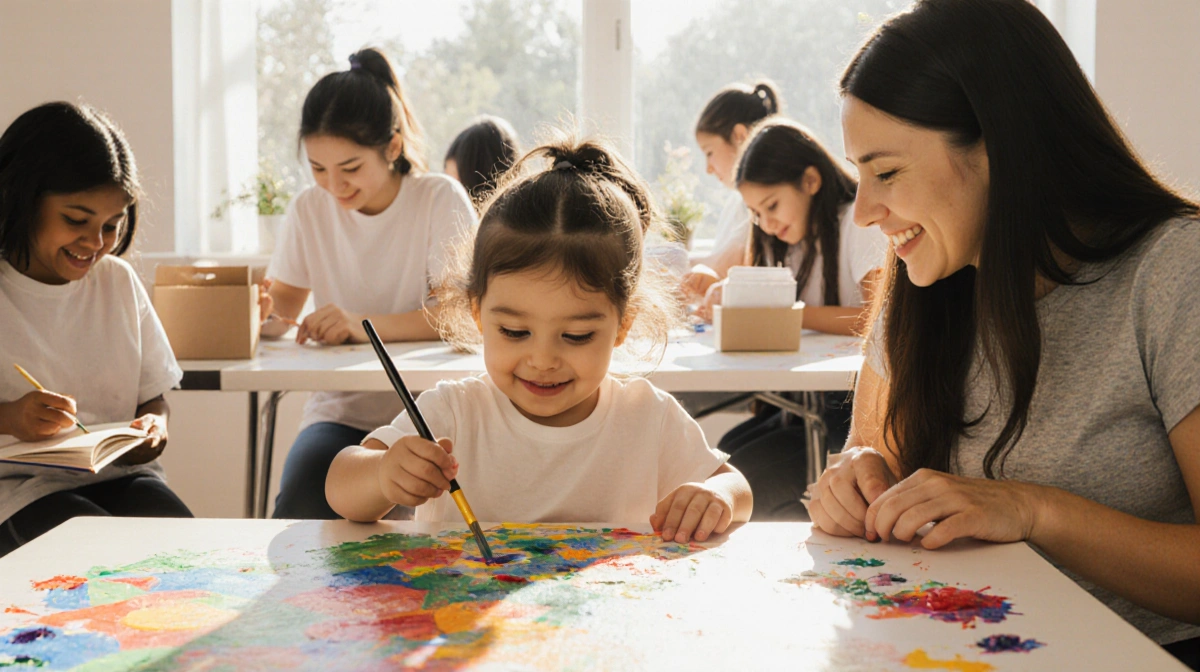
When Cami Teacoach’s son turned three, she discovered that most volunteer groups would not accept a toddler, so she began her own program, VolunTOTs, and sparked a movement for family service.
Why Kids Can Be Great Volunteers
Volunteer New York! executive director Polly Lagana says families want to show kids how to give back, but nonprofits often require 18-year-olds.
Polly Lagana stated:
> “In a turbulent time in our world, families – and parents in particular – are very interested in showing their kids how they can help out and how they can give back.”
New York Cares executive director Sapreet Saluja notes that children as young as six can be detail-oriented and precise.
Sapreet Saluja stated:
> “I’ve been very impressed with the detail-orientation and the precision and the following of directions and the care that some kids I’ve seen, as young as six, take to the tasks that they’re doing. It’s been explained to them that this is to benefit someone, and it’s important, and they’re following the directions and they want to get it just right. And in many cases, they’re more detail-oriented than the adults, which I think is very inspiring.”
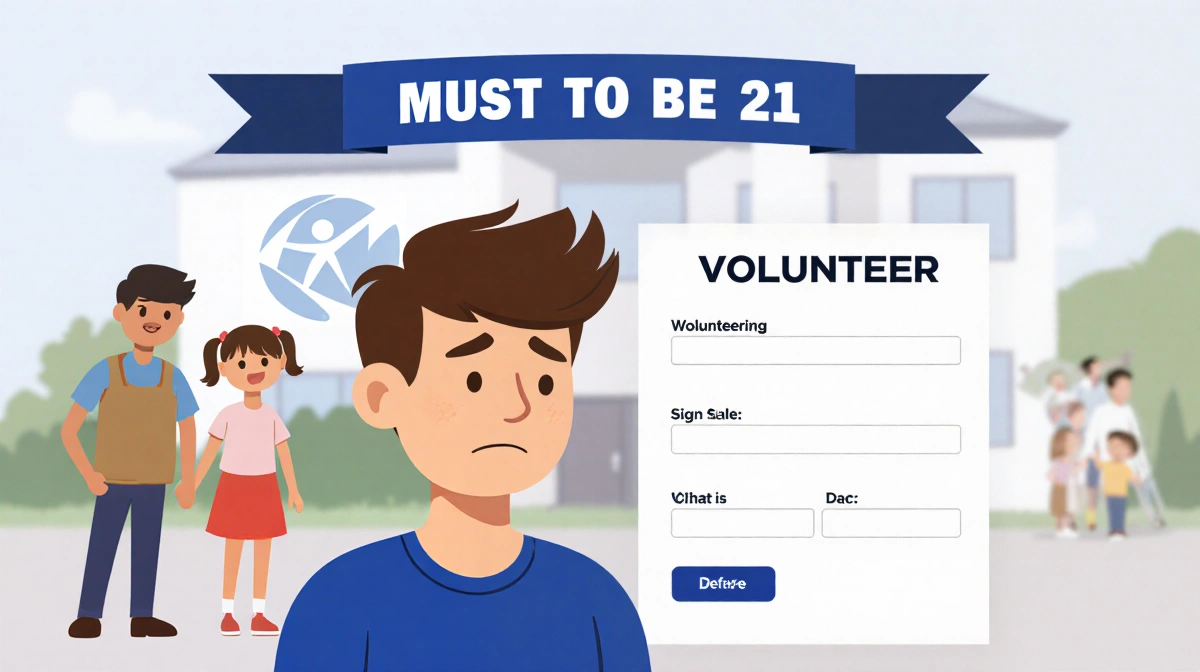
When Cami Teacoach’s son turned three, she found most groups would not accept a toddler, so she began her own volunteer program.
Cami Teacoach said:
> “Everyone was like, ‘A 3-year-old can’t do that,’ I was like, ‘No, I swear, he really can if you would just give him a chance.'”
Her initiative, VolunTOTs, has organized projects such as packing grocery boxes, playing bingo with seniors, and making dog treats for an animal rescue.
- Pack 500 grocery boxes to distribute to families in need
- Play bingo with seniors in nursing homes
- Make dog treats for an animal rescue center
The family that started Tough Cookies baked and delivered cookies to veterans, learning social skills and hearing veterans’ stories.
Other families have turned everyday tasks into service, such as sorting grocery boxes at a food pantry or delivering Meals on Wheels.
Experts suggest giving children choices, explaining the mission, and selecting age-appropriate tasks.
Aviva Davis said:
> “It definitely opened my eyes to what the world is like outside of our bubble. We saw all sorts of different things and I saw not everyone lives the same way.”
Michael Bernaba said:
> “Going up to the houses, it was very nice, because they’re mostly living alone. A lot of their family or friends died.”
Matthew Bernaba said:
> “I was more to myself, and as we kept going, we talked more with the veterans and got to hear great stories from them.”
- Provide choices to children
- Explain the problem and options
- Choose tasks that match their age and interests
With persistence, families can find or create volunteer projects that build confidence and community.
Key Takeaways
- Young children can be effective volunteers with the right guidance.
- Parents can start their own programs if existing groups set age limits.
- Offering choices and age-appropriate tasks boosts engagement and learning.
Whether you join an existing group or create your own, involving children in service builds confidence and strengthens family bonds.