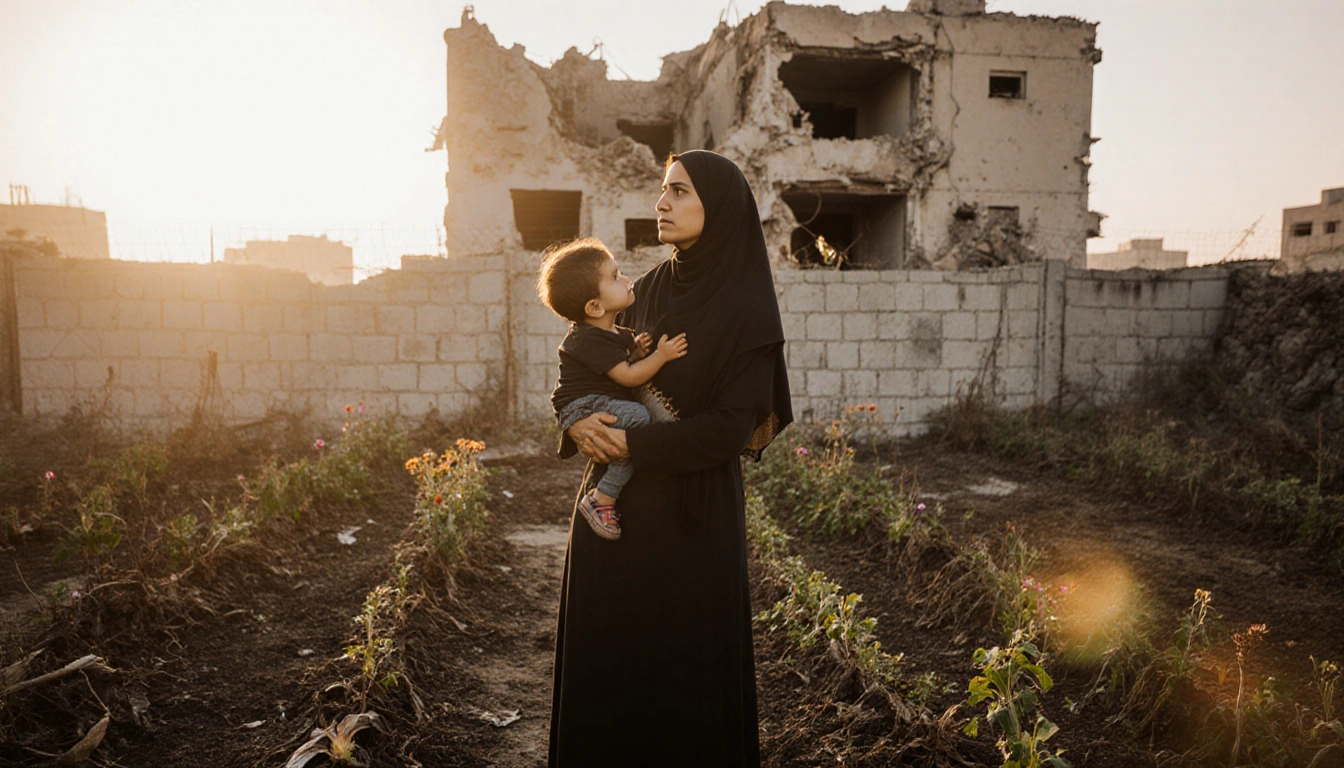
A new report from the Integrated Food Security Phase Classification (IPC) says famine has been stopped in Gaza, yet the region remains on the brink of starvation. The IPC’s Friday release states that the spread of famine has been averted, but it warns that nearly 2,000 people could still face catastrophic hunger through April.
The IPC report highlights “notable improvements” in food security and nutrition that followed the October ceasefire in the Israel-Hamas war. Despite these gains, the agency cautions that the entire Gaza Strip is still in a “highly fragile” situation and that the whole territory is in danger of starvation.
The IPC’s assessment is based on data from both commercial and United Nations trucks. The report notes that it includes U.N. and COGAT data, and that it has not detected famine in Gaza, but it stresses that needs remain immense and that aid must be sustained, expanded and unhindered.
The Israeli military agency responsible for coordinating aid, COGAT, rejected the IPC findings on Friday. COGAT said it adheres to the ceasefire and allows the agreed amount of aid to reach the strip, noting that the aid quantities “significantly exceed the nutritional requirements of the population” in Gaza according to accepted international methodologies, including the United Nations.
Israel’s Foreign Ministry also dismissed the IPC report, saying it does not reflect reality in Gaza and that more than the required amount of aid was reaching the territory. The ministry added that the IPC “ignores the vast volume of aid entering Gaza, because the group relies primarily on data related to U.N. trucks, which account for only 20% of all aid trucks.”
The IPC clarified that its totals include commercial and U.N. trucks and that its information is based on U.N. and COGAT data, countering the ministry’s claim.
Prime Minister Benjamin Netanyahu has previously called the IPC’s earlier report an “outright lie,” and the Israeli government continues to reject the organization’s findings.
The IPC’s findings arrive as the U.S.-brokered ceasefire between Israel and Hamas reaches a pivotal point. Phase 1 of the truce is nearing completion, with the remains of one hostage still in Gaza. The more challenging second phase has yet to be implemented, and both sides have accused each other of violating the truce.
In August, the IPC confirmed the first instance of famine in the Middle East and warned it could spread south to Deir al-Balah and Khan Younis. At that time, more than 500,000 people in Gaza, about a quarter of its population, faced catastrophic levels of hunger, with many at risk of dying from malnutrition-related causes.
Friday’s report says that the spread of famine has been offset by a significant reduction in conflict, a proposed peace plan, and improved access for humanitarian and commercial food deliveries. There is more food on the ground and people now have two meals daily, up from one meal each day in July.
“That is clearly a reversal of what had been one of the most dire situations where we were during the summer,” Antoine Renard, the World Food Programme’s director for the Palestinian territories, told U.N. reporters in a video briefing from Gaza City Thursday. Renard added that food access has “significantly improved,” but warned that the greatest challenge now is adequate shelter for Palestinians, many of whom are soaked and living in water-logged tents. Aid groups say nearly 1.3 million Palestinians need emergency shelter as winter sets in.
The IPC notes that displacement is one of the key drivers behind food insecurity, with more than 70% of Gaza’s population living in makeshift shelters and relying on assistance. Other factors such as poor hygiene and sanitation, as well as restricted access to food, also exacerbate the hunger crisis.
While humanitarian access has improved compared with previous analysis periods, the IPC says that access fluctuates daily and is limited and uneven across the Gaza Strip.
To prevent further loss of life, the IPC’s experts call for expanded humanitarian assistance, including food, fuel, shelter and health care. They warn that over the next 12 months, more than 100,000 children between the ages of 6 months and 5 years are expected to suffer from acute malnutrition and require treatment.
Figures recently released by Israel’s military suggest that it has not met the ceasefire stipulation of allowing 600 trucks of aid into Gaza each day, though Israel disputes that finding. American officials with the U.S.-led center coordinating aid shipments into Gaza also say deliveries have reached the agreed-upon levels.
U.N. Secretary-General António Guterres said the U.N. and its partners are preparing 1.5 million hot meals every day and delivering food packages throughout Gaza, but that “needs are growing faster than aid can get in.”
“This is not a debate about truck numbers or calories on paper. It’s about whether people can actually access food, clean water, shelter and health care safely and consistently. Right now, they cannot,” Bushra Khalidi, Oxfam’s policy lead for Israel and the occupied Palestinian territory, said.
People must be able to rebuild their homes, grow food and recover, and the conditions for that are still being denied, she added.
Even with more products in the markets, Palestinians say they can’t afford it. “There is food and meat, but no one has money,” Hany al-Shamali, who was displaced from Gaza City, said. “How can we live?”
Associated Press writer Edith M. Lederer at the United Nations contributed to this report.