
On Thursday, the Federal Energy Regulatory Commission (FERC) issued a unanimous order that could reshape how the United States powers its fastest-growing industries. The decision allows tech companies to plug massive data centers directly into power plants, clearing a long-standing dispute over colocation agreements.
A Historic Decision
The order, announced during a Thursday meeting chaired by Laura Swett, was the culmination of months of deliberation over colocation agreements that have been a point of contention between utilities and power plant owners. Swett said clearing the way for massive energy users-like data centers-to get electricity straight from power plants was a “critical step to give investors and consumers more certainty on how FERC believes we can solve the problem of meeting historic surging demand and realize our greatest potential as a country.” She added that the move would also protect regular ratepayers, even as evidence mounts that they are bearing the cost of new power plants and transmission lines to feed energy-hungry data centers.
The Grid’s Growing Tension
The mid-Atlantic territory, which spans from the mid-Atlantic states to parts of Illinois and Indiana, covers some 65 million people. Analysts warn that the region could face electricity shortages in the coming years as the build-out of data centers outpaces the speed of new power sources coming online. The FERC order could become a blueprint for how the agency handles an October request from Trump’s energy secretary, Chris Wright, to ensure that data centers and large manufacturers get the power they need as quickly as possible.
Power Plant Owners React
Power plant owners applauded the step, as their share prices rose steeply in Thursday’s trading. Advanced Energy United, whose members provide solar and wind power, said the FERC order should help clarify how big power users can set up their own power sources. The Edison Electric Institute, which represents for-profit utilities, said only that it would “continue to work” to support rapid data center connection, protect ratepayers from cost-shifts, and strengthen the grid for everyone.
Industry Reactions
Jeff Dennis, executive director of the Electricity Customer Alliance, said the order showed that FERC is trying to address looming issues around fast-growing power demand and underscored the urgency to reform grid policy. The order also grew out of a dispute between power plant owners and electric utilities over a proposed colocation deal between Amazon’s cloud-computing subsidiary and the owner of the Susquehanna nuclear power plant in Pennsylvania. For tech giants, such arrangements represent a quick fix to get power while avoiding a potentially longer and more expensive process of hooking into a fraying electric grid that serves everyone else.
Regulatory Path Forward
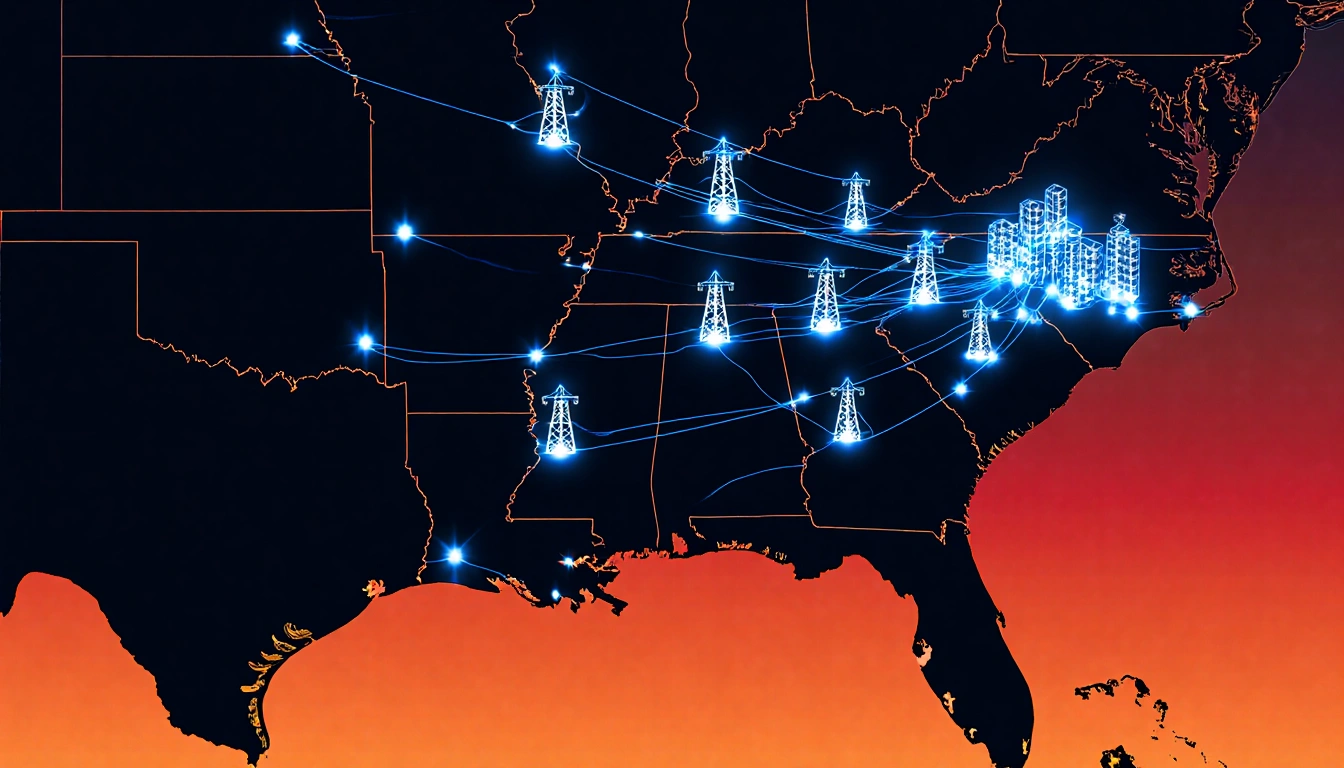
FERC’s Thursday order sets up a couple new regulatory tracks. It requires the operator of the mid-Atlantic grid, PJM Interconnection, to develop rates and conditions for different colocation scenarios involving new power plants or sources. That could mean allowing a big power user to pay for only the transmission services they use, considerably less than they might otherwise pay to connect to the grid through a utility. The order also could require a big power user that colocates with an existing power plant to pay the cost to replace the energy that it diverts away from the broader electric grid.
Implications for Data Centers
Utilities protested that the arrangement allows big power users to avoid paying them to maintain the grid. Some consumer advocates maintained that diverting energy from existing power plants to data centers could drive up energy prices without an answer for how rising power demand will be met for regular ratepayers. The new regulatory tracks aim to balance the needs of fast-growing data centers with the broader interests of the grid and its customers.
Potential Blueprint for Future Requests
The FERC order could serve as a template for the October request from Chris Wright, who has urged the agency to streamline the process for data centers and large manufacturers to secure power. By establishing clear rates, conditions, and cost-sharing mechanisms, the order addresses the core concerns that have long hampered rapid deployment of high-power facilities across the nation.
Conclusion
The unanimous FERC order marks a significant shift in how the United States will handle the intersection of energy and technology. By allowing data centers to connect directly to power plants, the commission seeks to resolve longstanding grid disputes, protect ratepayers, and support the country’s ambitions in artificial intelligence and domestic manufacturing. As the mid-Atlantic territory continues to grow its data-center footprint, the regulatory framework set by FERC will likely shape the future of power distribution for high-energy consumers nationwide.