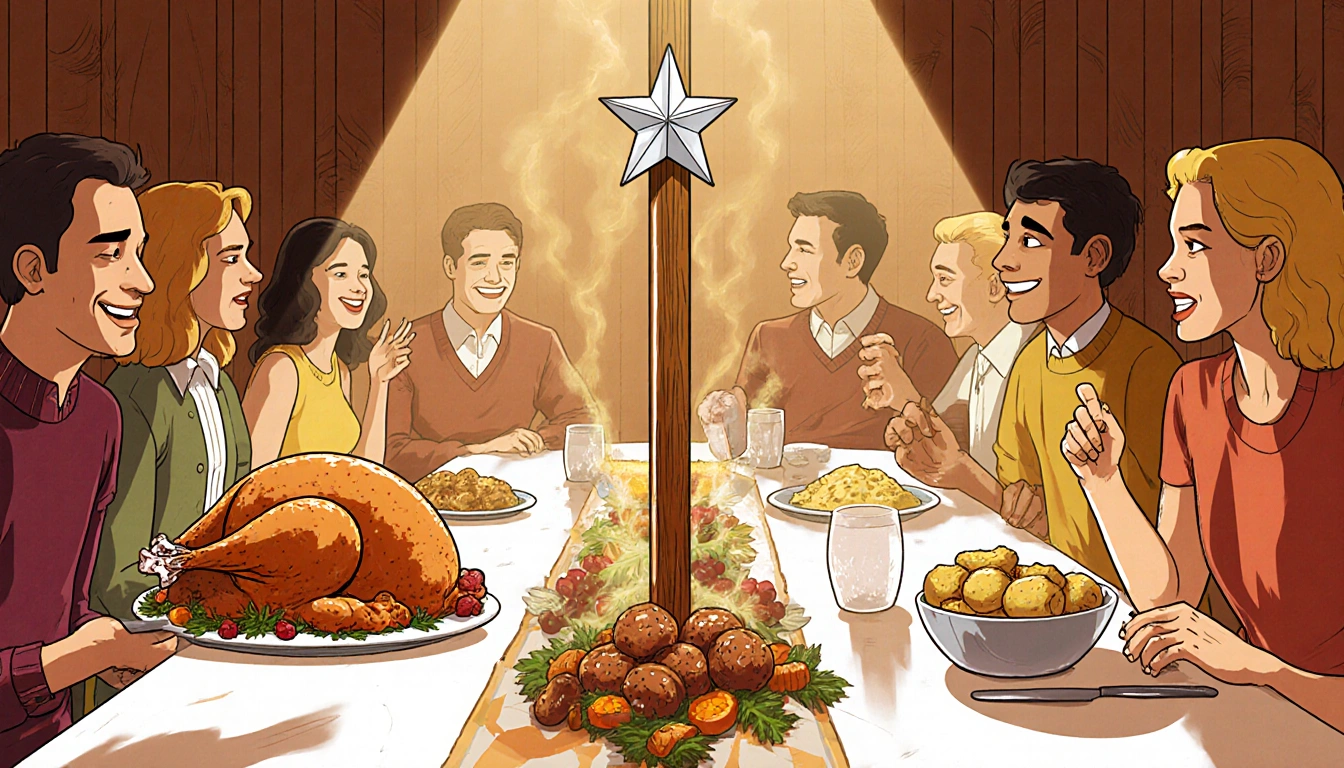
On December 23, fans of Seinfeld once again mark a very different kind of celebration: Festivus.
The fictional holiday has become a long-running pop culture inside joke.
Its roots trace back to a 1997 episode titled “The Strike”, where it was introduced as an alternative to commercialism and emotional expectations.
The Birth of Festivus
Festivus was introduced to the world in a 1997 episode of “Seinfeld” titled “The Strike”.
It was described as an alternative to the commercialism and emotional expectations of traditional holidays.
The holiday was created by Frank Costanza, the outspoken father of George, and quickly became one of the show’s most memorable moments.

Within the show’s lore, Festivus originated during George’s childhood after a disastrous holiday shopping trip left Frank disillusioned.
Rejecting tinsel, trees, and gift-giving, Frank declared the creation of a new holiday.
He built it on honesty, simplicity, and confrontation.
Frank Costanza’s decision to craft a holiday that eschewed traditional trappings set the stage for Festivus’s enduring appeal.
The show’s depiction of Frank’s discontent resonated with audiences who felt similarly overwhelmed by holiday pressures.
This resonance helped cement Festivus as a cultural shorthand for speaking one’s mind.
What Festivus Looks Like
One of Festivus’ defining features is its lack of decorations.
Instead of a tree, celebrants display a plain aluminum pole, chosen, according to Frank, for its “very high strength-to-weight ratio.”
The pole is intentionally left undecorated, reinforcing the holiday’s emphasis on simplicity.
The holiday officially begins with the “airing of grievances,” during which participants take turns telling friends and family how they have disappointed them over the past year.
This ritual allows for catharsis and humor, giving people a structured outlet for venting.
Once grievances have been aired, the celebration continues with “feats of strength,” a physical challenge that traditionally ends when the head of the household is pinned.
Festivus also includes what fans often refer to as “Festivus miracles,” which are ordinary or coincidental events sarcastically labeled as miraculous.
These moments become part of the holiday’s lore, adding a layer of playful irony.
The combination of grievances, feats of strength, and miracles creates a unique blend of humor and tradition.
From Fiction to Reality
While Festivus began as a fictional gag, it has since developed a real-world following.
Fans across the country celebrate with themed gatherings, aluminum poles, ironic cards, and online posts of complaint.
These gatherings range from small family dinners to large community events, all centered around the holiday’s core rituals.
Over the years, the holiday has been referenced by politicians, workplaces, and pop culture outlets, occasionally appearing on calendars as a novelty observance.
Its presence in mainstream media reflects its penetration into everyday life.
The holiday’s ability to adapt to various settings has helped maintain its relevance.
Festivus’s real-world celebrations often involve the same elements depicted on screen: the plain pole, the airing of grievances, and the feats of strength.
Participants may also share Festivus miracles, adding a communal sense of humor.
These events serve as a reminder of the holiday’s original intent: to offer a satirical counterpoint to traditional holiday excess.
Why Festivus Endures
The holiday’s continued popularity is often credited to its timing and message.
Falling between major December holidays, Festivus offers a humorous outlet for seasonal stress and a satirical take on holiday pressure and excess.
Its placement in the holiday season allows it to serve as a counterpoint to the commercialism and emotional expectations of traditional celebrations.
More than 25 years after its debut, Festivus remains a cultural shorthand for embracing simplicity and speaking one’s mind.
As Frank Costanza famously declared, “I’ve got a lot of problems with you people, and now you’re gonna hear about it.”
This quote encapsulates the holiday’s spirit, reminding participants that venting can be both cathartic and entertaining.
Key Takeaways
- Festivus originated in a 1997 Seinfeld episode as an alternative to commercial holiday expectations.
- The holiday features an undecorated aluminum pole, airing of grievances, feats of strength, and sarcastic miracles.
- Despite its fictional roots, Festivus has become a real-world celebration that offers a humorous break from traditional holiday pressure.
Festivus continues to resonate with those looking for a lighter, more honest way to celebrate the season.
Its blend of humor, tradition, and simplicity keeps it alive in popular culture.
Whether on screen or in real life, Festivus reminds us that sometimes the best holiday is one you create.