At a Glance
- 28 Years Later: The Bone Temple explores the inner world of the rage-driven infected
- Dr. Kelson forms a bond with an infected Alpha named Samson
- The film diverts from franchise roots to confront British nostalgia
- Why it matters: The sequel tackles the franchise’s most provocative themes yet
News Of Austin critic Gavin U. Stonebridge reviews the second entry in the new 28 [Years Later] trilogy and finds a franchise pivoting toward the previously unexamined experience of the infected themselves.
A New Lens on Infection
Since 2002’s 28 Days Later, the series has treated the infected as background threats driven by rage rather than hunger. 28 Years Later: The Bone Temple flips that approach, dedicating much of its runtime to the question: What does it feel like to be one of them?
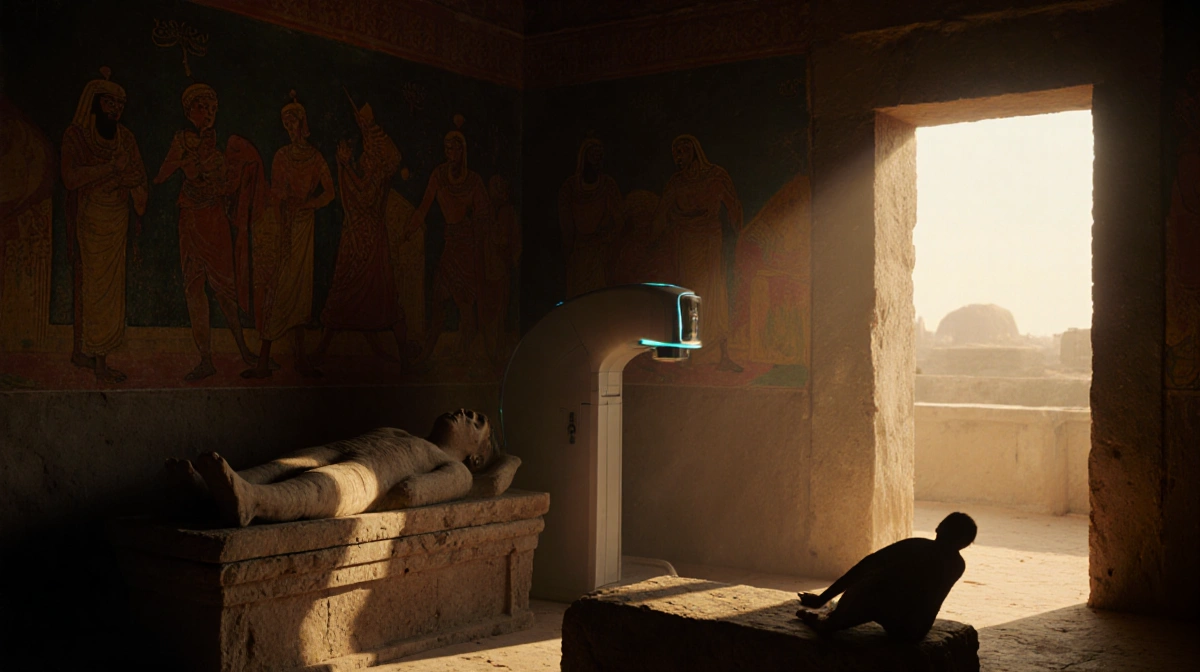
The answer arrives through the unlikely pairing of Dr. Kelson and a hulking, sedated Alpha he calls Samson. Their evolving rapport unfolds beneath the doctor’s open-air ossuary, a setting that underscores the film’s fixation on mortality and memory.
Dual Storylines
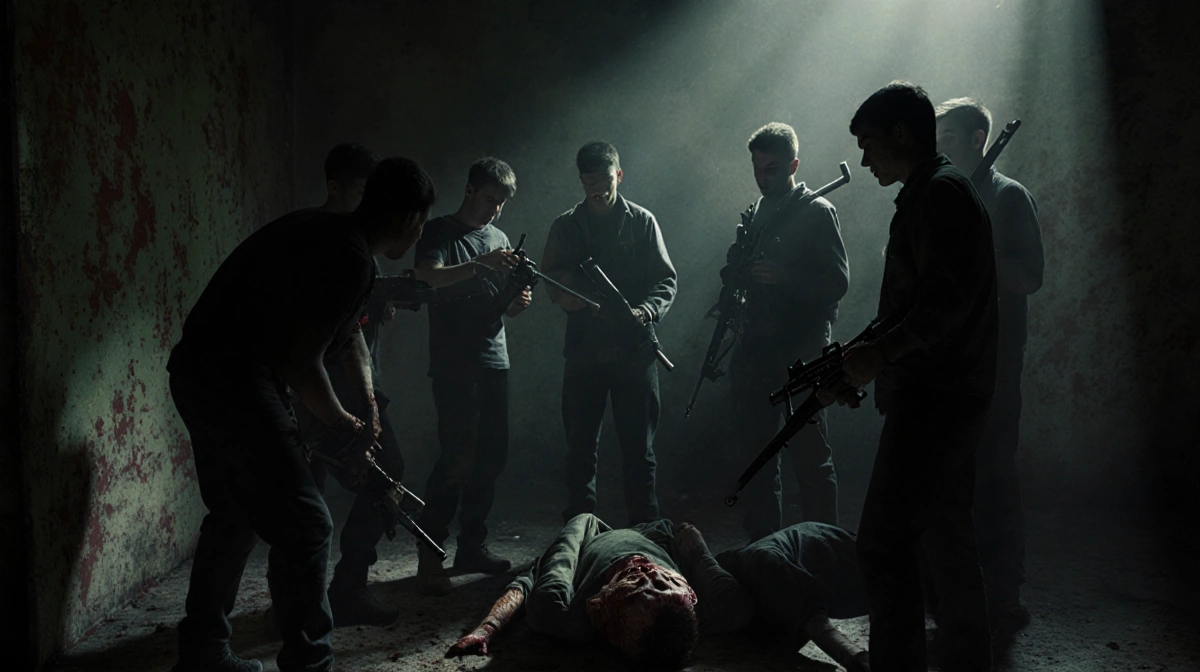
Parallel to Kelson’s experiment, young Spike-introduced in 2025’s 28 Years Later-is captured by Jimmy Crystal and his roaming band of Jimmys. The gang tortures any uninfected they encounter, embodying a nihilistic counterpoint to Kelson’s quest for understanding.
Key cast:
- Ralph Fiennes – Dr. Kelson
- Jack O’Connell – Jimmy Crystal
- Alfie Williams – Spike
- Chi Lewis-Parry – Samson
- Erin Kellyman – supporting role
Symbolism and Controversy
Director Nia DaCosta and screenwriter Alex Garland inherit the previous film’s most incendiary image: Jimmy’s gang dressed as disgraced UK television personality Jimmy Savile. The choice evokes immediate revulsion for British viewers, akin to American audiences seeing Cosby iconography.
The sequel cannot ignore the iconography, yet DaCosta largely sidesteps direct commentary, steering the narrative toward broader moral binaries. The Jimmys now embrace Satanism and parkour, though their acrobatic flair has waned between installments.
Tone and Style
DaCosta leans into extremity, delivering the franchise’s most graphic gore and outlandish characters to date. She mines pathos and dark comedy from Fiennes’ tragicomic turn, a performance that signals the final closure of history’s last chapter.
The result feels closer to her festival breakout Little Woods than her later studio projects Candyman and The Marvels. While the film drifts from Garland’s original Brexit-era allegory, its absurdist energy keeps the franchise freshly unsettling.
Release Details
- Title: 28 Years Later: The Bone Temple
- Year: 2026
- Runtime: 109 min
- Rating: R
- Score: 3.5 out of 5
The review appears in the January 16, 2026 issue of News Of Austin.