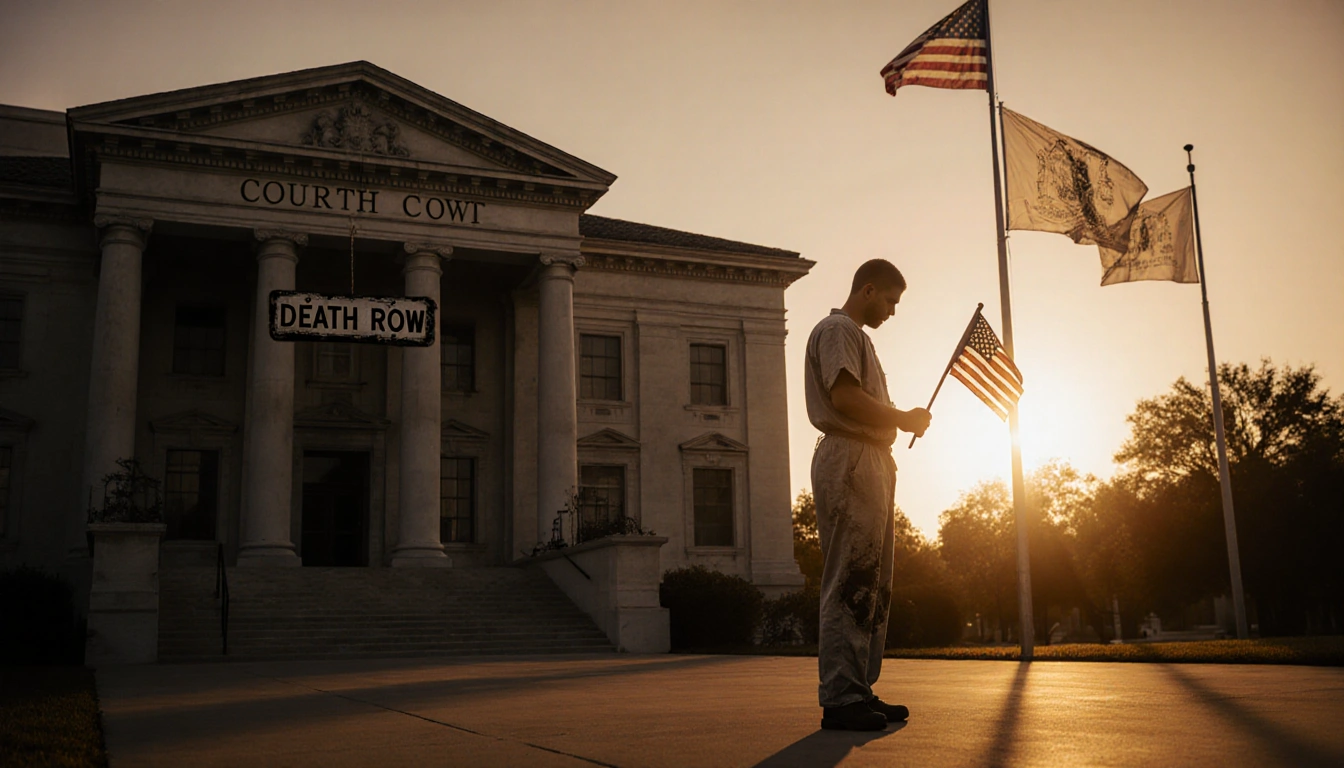
Florida’s Supreme Court has once again stepped into the death-penalty arena, this time by affirming a 2023 law that permits nonunanimous juries to sentence inmates to death. The ruling, released Thursday, upholds the state’s ability to impose capital punishment when a jury recommends execution by a margin of at least 8-4. This standard is the lowest in the United States, a fact noted by the Death Penalty Information Center.
The Court’s Decision
The decision was prompted by challenges from death-row inmates Michael Hunt and Michael Jackson, who argued that the 8-4 threshold violated their constitutional rights. The court rejected their claims, siding with the legislature’s intent to keep the bar for death sentences as low as possible. The ruling solidifies Florida’s position as one of only two states-alongside Alabama-that allows nonunanimous juries to impose the death penalty.
The 2023 Law
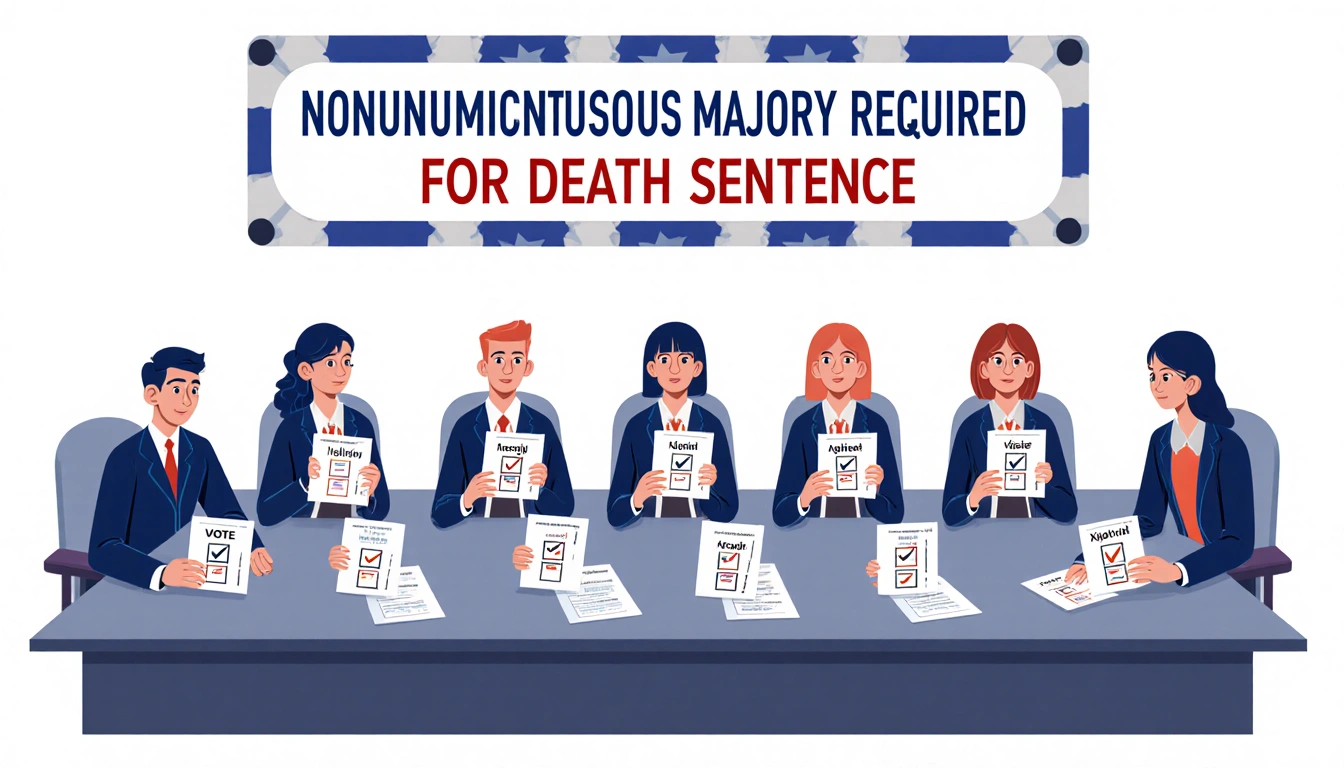
Under the 2023 statute, a jury must recommend execution by a vote of at least eight jurors in favor and no more than four against. The law was designed to streamline the sentencing process and increase the number of death-penalty cases that can proceed to execution. It is part of a broader strategy to maintain Florida’s reputation as a leading state in the national execution trend.
Historical Context
Florida’s death-penalty framework has oscillated over the past decade. In 2016, the U.S. Supreme Court invalidated the state’s prior system, citing excessive judicial discretion. The legislature responded by passing a bill that required a 10-2 jury recommendation for a death sentence. However, the state Supreme Court at that time held that such recommendations still needed to be unanimous.
2017 Reversal
Lawmakers in 2017 reacted by mandating unanimous jury verdicts for death-penalty cases. This move was a direct response to the Supreme Court’s ruling, aiming to restore the unanimity requirement that had been a long-standing norm in capital cases. The decision was widely debated, with proponents arguing it protected against wrongful convictions.
The 2020 Shift
Three years later, the Florida Supreme Court-now staffed with five of its seven justices appointed by Republican Gov. Ron DeSantis-reversed its earlier stance. The court ruled that a death-sentence recommendation does not need to be unanimous, effectively reinstating the 8-4 standard. This shift marked a significant change in the state’s approach to capital punishment.
Expanding Capital Offenses
In recent years, Florida has broadened the range of crimes eligible for the death penalty. Notably, the state added child rape convictions to the list of capital offenses, even though the U.S. Supreme Court has ruled that capital punishment for rape of a child is unconstitutional. This expansion reflects the legislature’s willingness to push the boundaries of state-level death-penalty statutes.
The Parkland Connection
The nonunanimous jury measure was passed in the wake of a verdict that spared the life of the school shooter who killed 17 people at Marjory Stoneman Douglas High School in Parkland, Florida. The decision to allow 8-4 recommendations was seen by some as a response to the perceived leniency of the Parkland verdict, aiming to make it easier for the state to impose death sentences.
Current Execution Climate
Florida’s record-breaking execution schedule continues under Gov. DeSantis. On Thursday evening, another man is scheduled to die, marking the state’s 19th execution in 2025. The timing of this execution underscores the ongoing national debate over the death penalty’s application and the state’s role in driving that debate.
The Role of the Supreme Court
The Supreme Court’s recent decision reflects a broader trend of conservative jurists reshaping state criminal justice policies. With five of seven justices appointed by DeSantis, the court’s composition has shifted toward a more permissive stance on capital punishment. This shift has had a direct impact on the number of death sentences that can be carried out.
Public Reaction
While the article does not detail public opinion, the decision has sparked discussions about the fairness of nonunanimous jury recommendations. Critics argue that the 8-4 threshold may increase the risk of wrongful convictions, while supporters contend it is a necessary tool to deter serious crimes.
Legal Challenges
Michael Hunt and Michael Jackson’s constitutional challenge was dismissed, but their case highlights the ongoing legal battles over death-penalty procedures. The court’s ruling effectively bars future challenges based on the same constitutional grounds, solidifying the 8-4 standard.
Impact on Death-Penalty Statistics
The Florida Supreme Court’s decision is likely to affect national death-penalty statistics. By maintaining the lowest bar for death sentences, Florida continues to contribute significantly to the United States’ execution count. This trend has implications for how other states approach their own capital punishment laws.
Key Takeaways
- Florida’s Supreme Court upheld an 8-4 jury recommendation law for death sentences.
- The decision reinforces Florida’s status as one of only two states allowing nonunanimous juries for capital cases.
- The state’s execution schedule remains among the highest in the country, with a 19th execution planned for 2025.
Closing
Florida’s legal landscape around capital punishment remains highly dynamic. The Supreme Court’s affirmation of the 8-4 standard, coupled with the state’s expanded list of capital offenses, underscores a clear legislative intent to keep the death penalty a central component of Florida’s criminal justice system. As executions continue, the implications of these legal choices will reverberate across the nation’s ongoing debate over the death penalty.
Kate Payne is a corps member for The Associated Press/Report for America Statehouse News Initiative. Report for America is a nonprofit national service program that places journalists in local newsrooms to report on undercovered issues.