At a Glance
- Former Uvalde officer Adrian Gonzales faces trial for 29 counts of child abandonment after 77-minute delay.
- The trial centers on the 2022 school shooting that killed 19 students and 2 teachers at Robb Elementary.
- Prosecutors allege Gonzales failed to act, putting children in imminent danger during the attack.
- Why it matters: The case tests whether law-enforcement inaction can be criminally punished after a national tragedy.
The first officer to arrive at Robb Elementary after the 2022 shooting is now on trial in Corpus Christi for allegedly letting children die while he stayed inactive. The trial, which began Monday, examines whether his failure to confront the gunman, Salvador Ramos, violated child-endangerment laws. Prosecutors argue that Gonzales’ inaction contributed to the 77-minute delay that allowed the shooter to kill 19 students and 2 teachers.
Trial Details
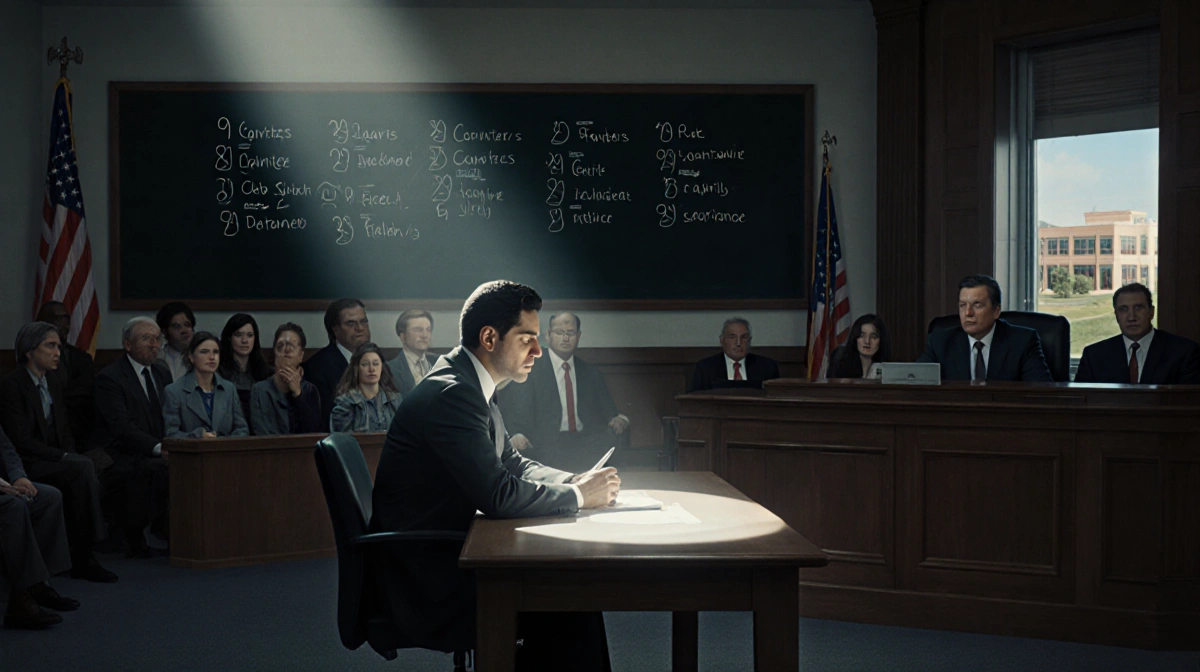
Adrian Gonzales, a former Uvalde schools officer, faces 29 counts of child abandonment or endangerment that could carry up to two years in prison. The trial, expected to last up to three weeks, started with jury selection. Gonzales pleaded not guilty and his lawyer says he tried to save children that day.
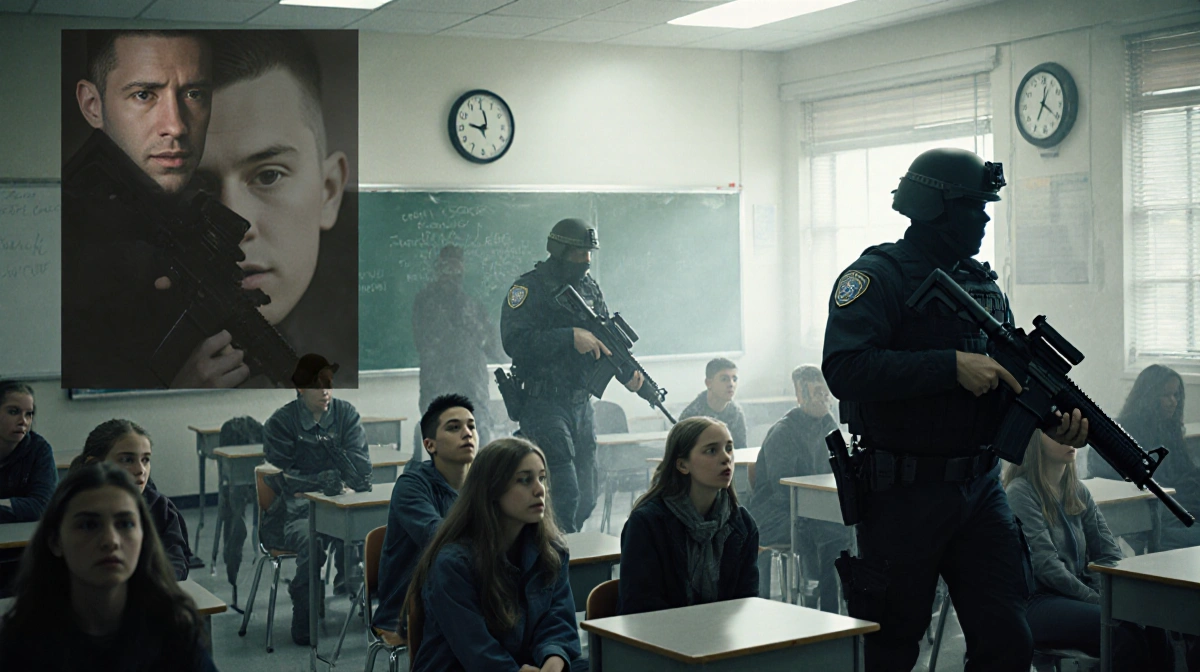
The indictment claims Gonzales placed children in “imminent danger” by not engaging, distracting or delaying the shooter and by ignoring active-shooter training. It also alleges he did not advance toward the gunfire after hearing shots and being told where the shooter was.
- Failure to engage the shooter
- Failure to distract or delay the gunman
- Failure to follow active-shooter training
Background and Reactions
The shooting drew nearly 400 officers from state, local and federal agencies, but 77 minutes passed before a tactical team breached the classroom and killed Ramos. Investigators found Ramos had been obsessed with violence and notoriety in the months leading up to the attack. Gonzales and former Uvalde schools chief Pete Arredondo were the only officers charged; Arredondo’s trial has not yet been scheduled.
Police and Gov. Greg Abbott initially said swift action killed Ramos and saved lives, but that narrative unraveled as families begged police to enter the building and 911 calls emerged from students pleading for help.
Families and survivors have demanded more indictments. “They all waited and allowed children and teachers to die,” said Velma Lisa Duran, whose sister Irma Garcia was one of the teachers killed. Velma Lisa Duran said:
> “They all waited and allowed children and teachers to die.”
Jesse Rizo, whose 9-year-old niece Jackie was one of the students killed, said the jury must see Jackie’s strong family. Jesse Rizo said:
> “It’s important that the jury see that Jackie had a big, strong family.”
Prosecutors face a high bar to win a conviction, as juries are often reluctant to convict officers for inaction, a pattern seen after the Parkland, Florida, school massacre in 2018. In that case, Sheriff’s deputy Scot Peterson was charged and acquitted in 2023.
Trial Venue and Community Impact
The trial was moved about 200 miles southeast to Corpus Christi at Gonzales’ request, arguing he could not receive a fair trial in Uvalde. Prosecutors did not object. Uvalde, a town of 15,000, still bears the shooting’s scars: Robb Elementary remains closed, and memorials of crosses and flowers sit near the school and downtown plaza.
The town’s murals and memorials continue to honor the victims, reminding residents of the tragedy.
Key Takeaways
- Adrian Gonzales faces 29 child-endangerment counts for a 77-minute delay at Robb Elementary.
- The trial examines whether law-enforcement inaction can be criminally charged after a mass shooting.
- Families demand more indictments, highlighting ongoing community grief.
The outcome of Gonzales’ trial will set a precedent for how police conduct is treated after school shootings, underscoring the community’s demand for accountability.