In a world where even jellyfish pause to rest, sleep has proven itself as a universal need-yet it can take some truly astonishing forms.
The Science of Sleep in the Wild
“Sleep is universal even though it’s actually very risky,” notes Paul-Antoine Libourel, a researcher at the Neuroscience Research Center of Lyon, France. When animals drift off, predators are closer, yet the pull of sleep is so strong that no creature can afford to skip it entirely, even when doing so would be inconvenient. For decades, scientists could only guess when a wild animal slept, watching for stillness and closed eyes. Today, miniature trackers and helmet-mounted electroencephalographs-miniature versions of human sleep lab equipment-let researchers see the varied, sometimes spectacular, ways that animals snooze.
“We’re finding that sleep is really flexible in response to ecological demands,” says Niels Rattenborg, an animal-sleep specialist at the Max Planck Institute for Biological Intelligence in Germany. The field is being dubbed the emerging science of “extreme sleep.”
Chinstrap Penguins: Masters of the 4-Second Nap
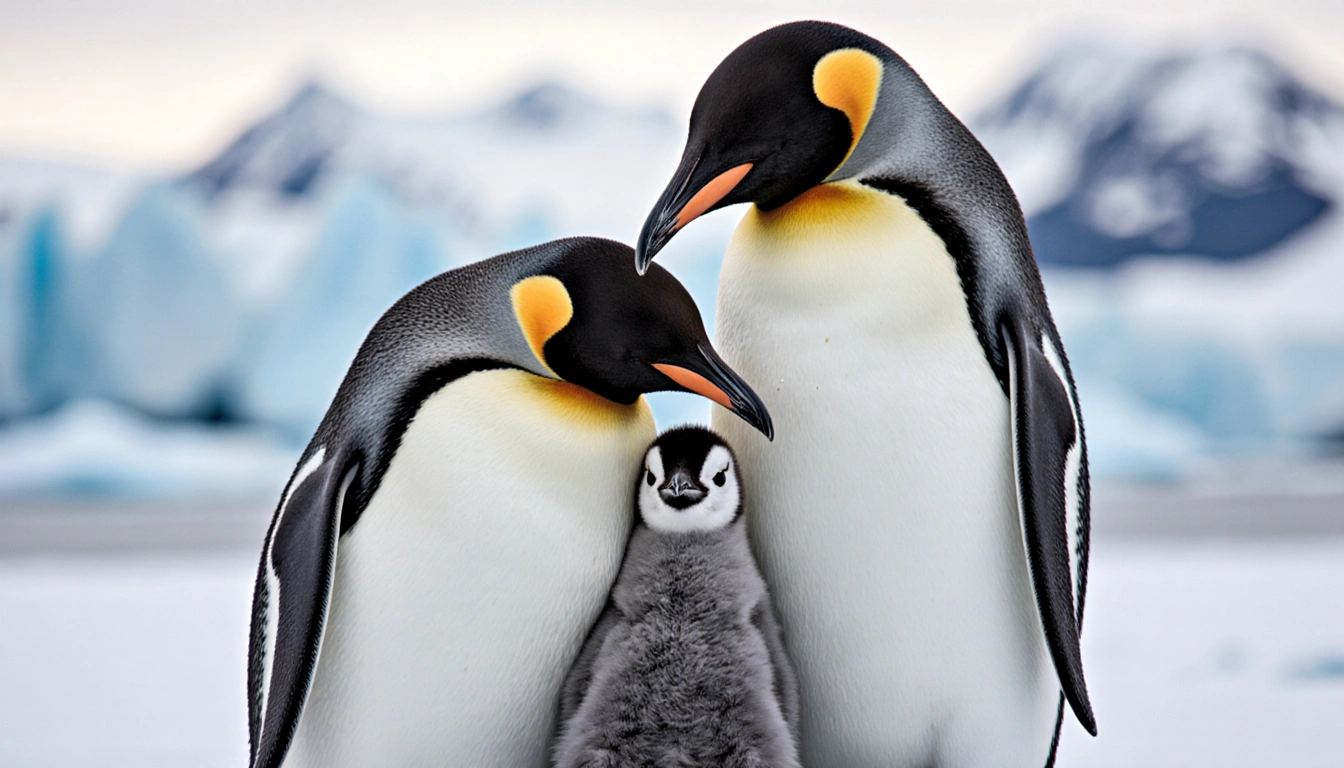
Libourel’s work on chinstrap penguins in Antarctica illustrates how a species can thrive on broken sleep. These penguins mate for life and share parenting duties: one bird keeps the egg or tiny gray chick warm while the other swims off to fish, then they swap roles. Over the course of weeks, they keep a nonstop rhythm of care.
To survive, penguin parents take thousands of catnaps a day, each averaging just four seconds. Won Young Lee, a biologist at the Korea Polar Research Institute, calls them “microsleeps.” The brief winks seem sufficient for the parents to manage their responsibilities in the noisy, crowded colonies. When a neighbor passes or predatory seabirds appear, the penguin blinks to regain alertness, then nods off again, chin resting against its chest like a drowsy driver.
Researchers measured brain activity in 14 adult penguins over 11 days on King George Island. The total daily sleep was 11 hours, but the pattern was highly fragmented. Penguins have evolved the ability to function on extremely fractured sleep during the breeding season, with the capacity to monitor one hemisphere of the brain while the other remains awake.
Frigatebirds: Half-Brain Sleep While Gliding
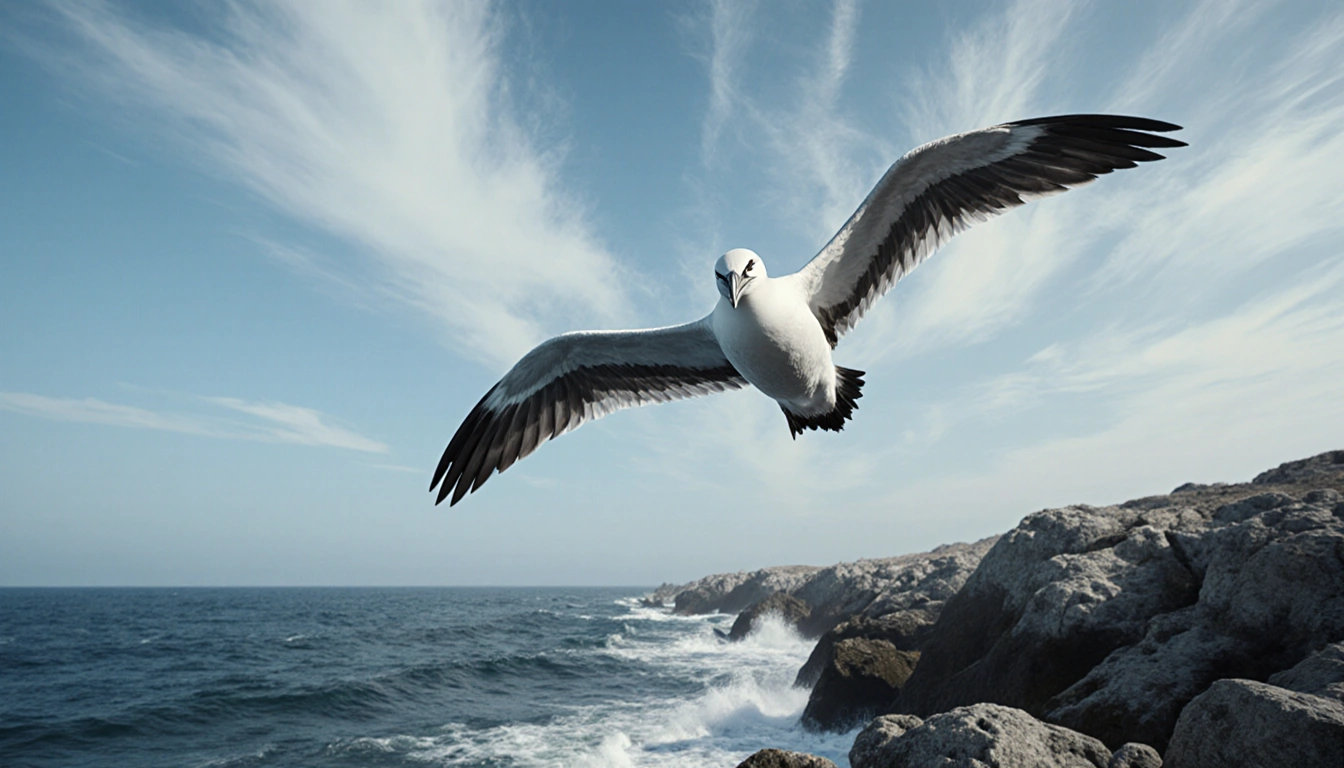
The question of whether birds that fly for months at a time ever sleep on the wing has long intrigued sailors and birdwatchers. The answer is yes. In the Galapagos Islands, scientists attached brain-wave sensors to great frigatebirds nesting in trees. While flying, the birds can sleep with one half of the brain at a time, keeping the other hemisphere semi-alert so that one eye watches for obstacles.
This adaptation allows frigatebirds to soar for weeks without landing-landing would damage their delicate, non-water-repellent feathers. They cannot perform complex maneuvers like flapping, foraging, or diving with only one half of their brain awake. When diving for prey, they must be fully alert. In flight, they glide and circle on massive drafts of warm rising air that keep them aloft with minimal effort.
Back at the nest, frigatebirds switch to longer, whole-brain naps. Rattenborg notes that the in-flight sleeping is a specific adaptation for extended flying. Frigatebirds can fly 255 miles (410 km) a day for more than 40 days before touching land, a feat that would be impossible without the ability to sleep on the wing.
Elephant Seals: Deep-Dive Dreamers
On land, a 5,000-pound northern elephant seal may seem at ease, but in the sea sleep becomes hazardous. Sharks and killer whales lurk below. These seals embark on foraging trips that can last up to eight months, repeatedly diving to depths of several hundred feet to catch fish, squid, rays, and other prey. Each deep dive may last around 30 minutes, and for roughly a third of that time, the seals are asleep.
Jessica Kendall-Bar of Scripps Institution of Oceanography led a study that used neoprene headcaps-like a swimming cap with motion and brain-activity sensors-to monitor seals during dives. The 13 female seals studied tended to sleep during the deepest portions of their dives, below the depths where predators usually patrol.
The sleep comprised both slow-wave sleep and REM sleep. During REM, the seals were temporarily paralyzed-just as humans are during this deep-sleep stage-and their dive motion changed. Instead of a controlled downward glide, they sometimes turned upside down and spun in what the researchers called a “sleep spiral.” In a 24-hour period, the seals at sea slept for about two hours total, compared with around ten hours on the beach.
The Flexibility of Sleep
Scientists continue to uncover why we sleep and how much we truly need. While humans cannot replicate these extreme animal sleep hacks, studying the varied napping strategies in the wild highlights the flexibility that evolution can bestow on a species. Nature has engineered sleep to fit even the most precarious situations.
Key Takeaways
- Penguins achieve 11 hours of sleep per day through thousands of 4-second naps, monitoring one brain hemisphere at a time.
- Frigatebirds sleep with one half of their brain while gliding, enabling nonstop flight for over 40 days.
- Northern elephant seals sleep during the deepest parts of their 30-minute dives, combining slow-wave and REM sleep, and even spin in “sleep spirals.”
The study of extreme sleep not only reveals the ingenuity of wildlife but also offers a window into the universal necessity of rest-no matter how unusual the circumstances.
Closing
From the icy breeding grounds of Antarctica to the open skies of the Galapagos and the deep waters off California, animals have evolved sleep strategies that defy conventional expectations. Their stories remind us that while sleep is essential for all brains, the ways it manifests can be as diverse as the environments they inhabit.