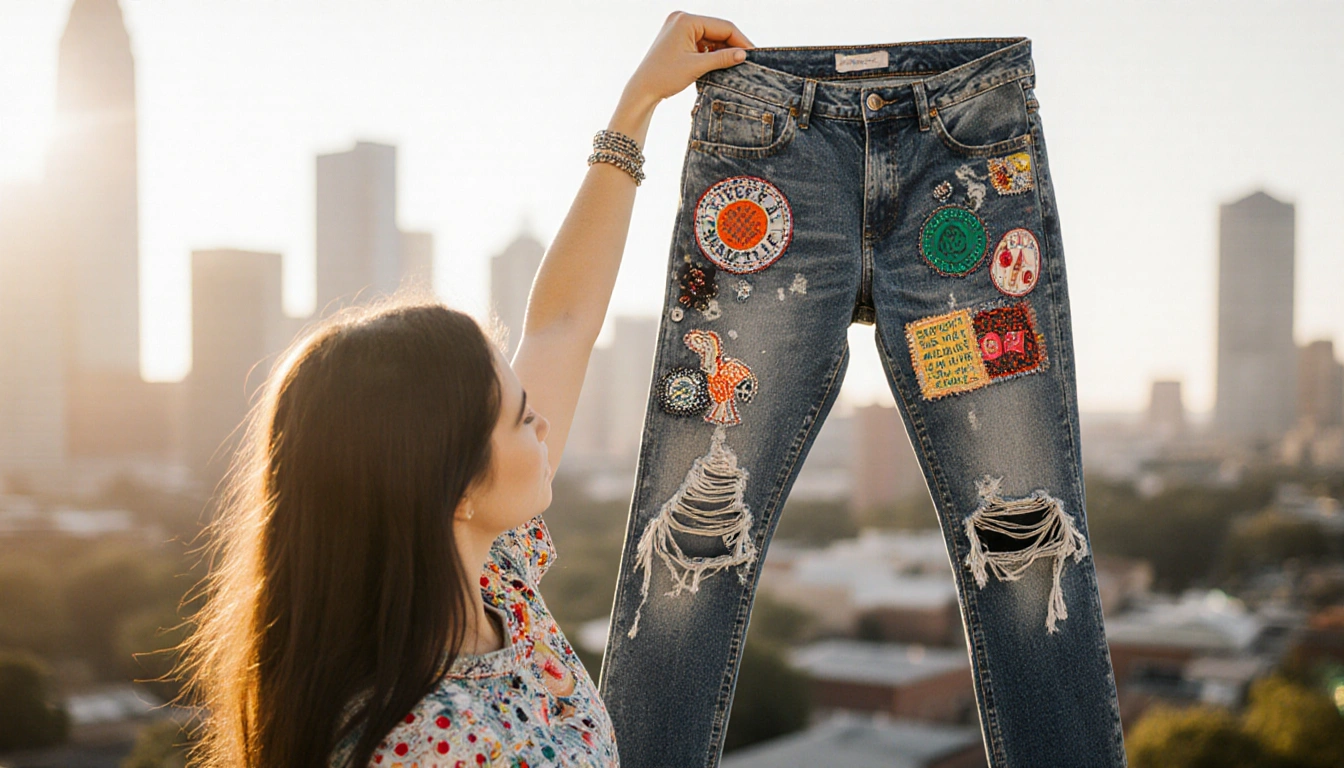
In a recent survey by accounting and consulting giant PricewaterhouseCoopers, 63% of Generation Z shoppers said they would opt for resale and upcycled products this holiday season, citing financial and environmental reasons.
Upcycling Trend Gains Momentum
The data points to a broader shift toward upcycling as a sustainable and cost-effective alternative to fast fashion. The trend is so pronounced that retailers and social media users alike have adopted the hashtag #Thriftmas to celebrate the practice.
Rewind, a shop located in downtown Grand Rapids, Michigan, exemplifies this movement. Co-owners Caleb Straight and Tina Larabel Straight have been curating vintage clothing on eBay since 2012, and they opened their brick-and-mortar store 18 months ago as the trend accelerated.
The Straight duo explained to WOOD that their store “specializes in vintage and upcycled streetwear.” They added that the concept is “very trendy” and that they “keep seeing the hashtag #Thriftmas.” Their philosophy is that clothing can be reused and reworn, and that it “doesn’t have to be worn once and gotten rid of and fill up a landfill somewhere.”
Consumer Behavior and Market Data
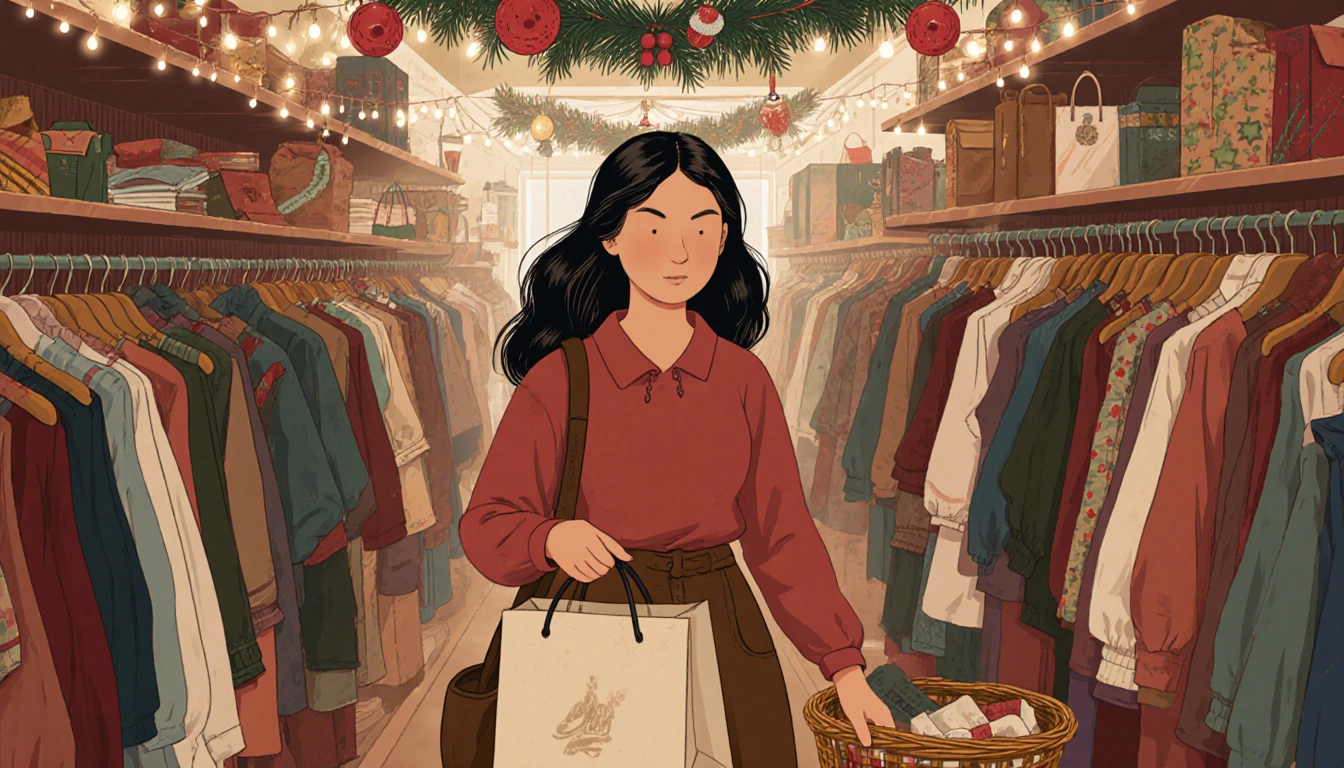
Mastercard’s shopping and survey data for 2025 reveals that 65% of Gen Z and 62% of Millennials plan to spend more on second-hand shopping for the holidays than they did last year. The increase is driven by factors such as cost, style, and sustainability.
“Atla Stencel, a Gen Z shopper, said Monday, ‘I don’t mind matching with other people, but I like to have my own unique style. I like combining vintage stuff with modern stuff.'” She added that the practice “helps with the fast fashion and throwing everything away all the time” and that “we like to support local businesses.”
The Straight owners note that the market has changed since the COVID-19 pandemic. They say, “Since Covid, it has only gotten more popular.” They also observe that many goods are “four or five times the value they were back then.”
Why Upcycled Clothing Appeals to Young Shoppers
The appeal of vintage and upcycled pieces extends beyond price. Straight emphasizes the superior quality of older American-made cotton, stating, “Nothing beats made-in-USA cotton from the 90s.” He adds that items that are 20 years or older “seem to last.” He notes that “a lot of the stuff made in the USA is still lasting 30, 40 years.”
The owners argue that buying a slightly pricier garment that lasts longer can be more economical than purchasing cheaper items that must be replaced multiple times. Straight explains, “If you are buying something and spending a little more but it is lasting longer, you could buy a cheaper garment and you have to replace it three times.”
Rewind’s mixed-medium sales platform-combining in-store and online channels-caters to the preferences of younger shoppers. They browse e-commerce sites and visit physical stores in search of the perfect piece during the holiday rush.
Rewind’s Role in the Local Community
Rewind is open for the holiday rush and also sells and ships from its website. The store’s presence in Grand Rapids supports local entrepreneurship and offers consumers an alternative to mass-produced fashion.
The Straight duo’s long-term involvement in vintage retail, starting with eBay in 2012 and expanding to a physical storefront, illustrates how the upcycling trend has matured from a niche hobby to a mainstream consumer choice.
Key Takeaways
- 63% of Gen Z shoppers prefer resale and upcycled products for the holidays, according to a PricewaterhouseCoopers survey.
- 65% of Gen Z and 62% of Millennials plan to spend more on second-hand shopping in 2025, driven by cost, style and sustainability.
- Rewind’s success in Grand Rapids shows that quality, local ownership and a blend of online and in-store shopping are critical to meeting the demand for upcycled fashion.
The growing popularity of upcycling reflects a broader cultural shift toward sustainability and economic prudence, with Generation Z leading the charge.