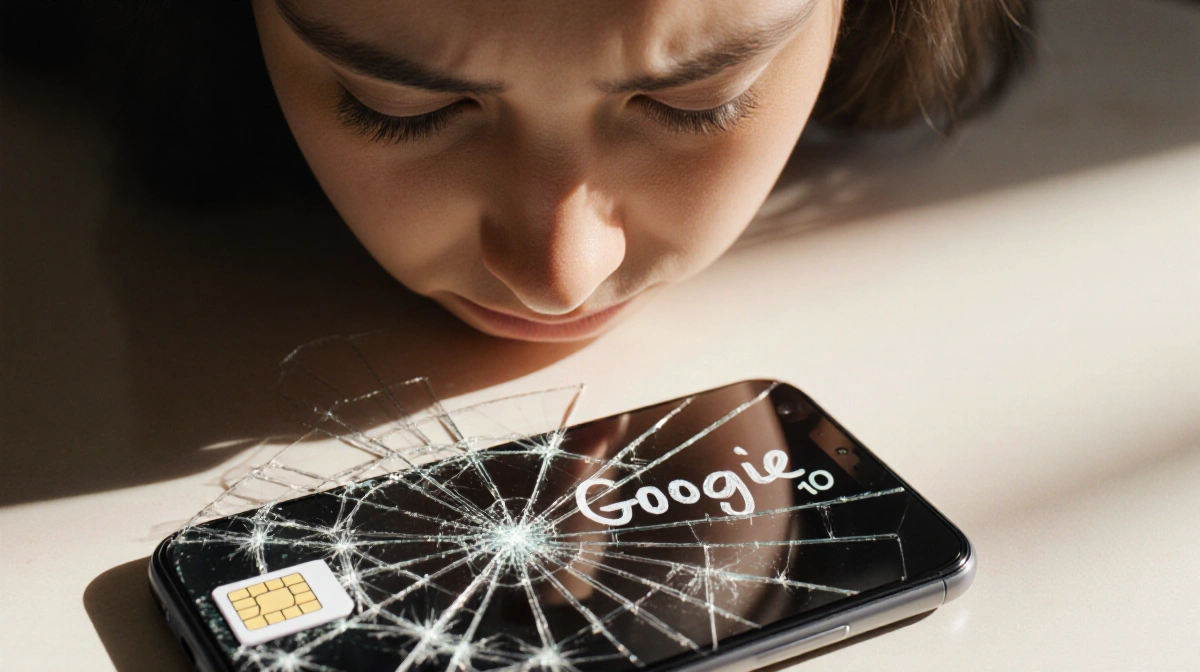
At a Glance
- Google’s Pixel 10 series now eSIM-only in the U.S., dropping the physical SIM slot.
- eSIMs occupy half the space of a removable card, freeing room for larger batteries.
- Switching eSIMs can lock a user’s phone number and digital accounts, especially when carriers rely on SMS verification.
This shift means that a small plastic card that once stored your phone number is disappearing from phones, and users may face headaches when the new embedded SIM fails.
Why eSIMs Are Taking Over
SIM cards began in the 1990s as credit-card sized plastic and evolved to mini, micro, and nano sizes. The modern nanoSIM is the size of a pinky nail, but space is at a premium inside smartphones. The 2016 eSIM standard is a soldered, programmable chip that can hold multiple SIM profiles and takes roughly half the space of a removable card, which is why OEMs are dropping the slot.
Google’s Move and User Experience
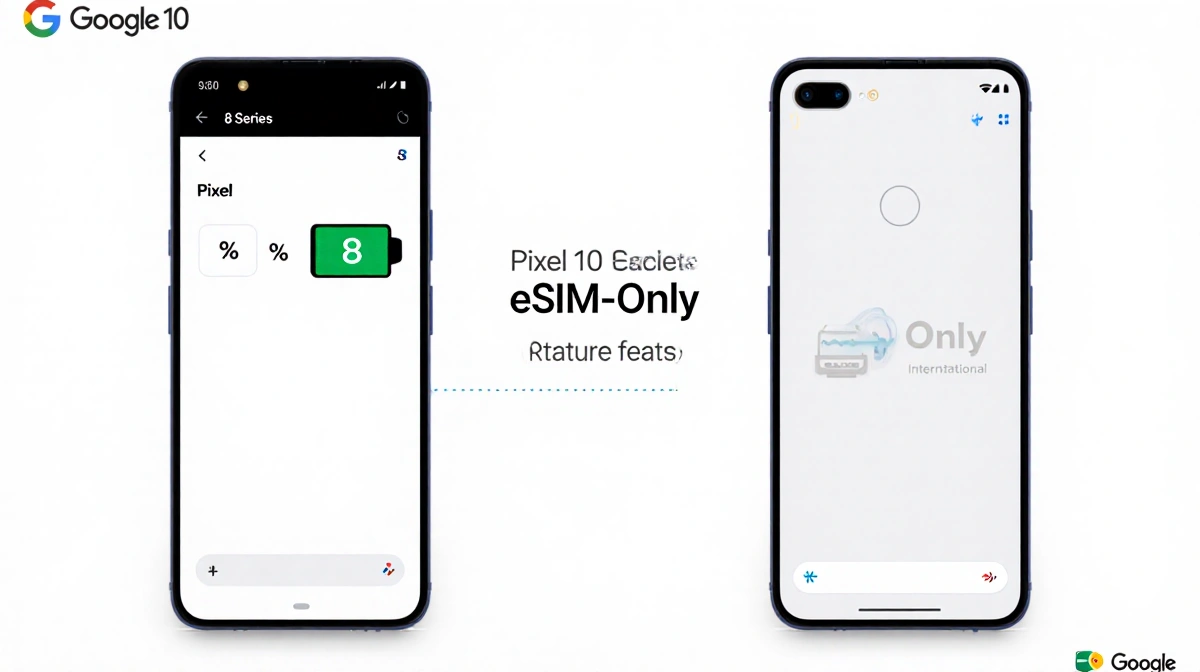
Apple was the first major maker to force eSIM with the iPhone 14, using the freed space for a larger battery. Google’s Pixel 10 series, released this year, is eSIM-only in the U.S. and offers no other feature gains compared to international models, despite the 8 % battery boost in the eSIM-only version.
The Problem: eSIM Transfer Glitches
After switching to eSIM-only, the author had to move the eSIM a few times. On one occasion the number fell into limbo because the carrier’s app was not logged in, and the only way to download a new eSIM was to visit a physical store-a task that turned a 30-second process into an hour-long trip. Carriers send SMS for identity verification, so without a working SIM nothing can be done.
Why Physical SIMs Remain Reliable
Physical SIM cards rarely fail unless damaged, and swapping them takes seconds without calling support or visiting a store. eSIMs, however, can glitch, leaving users locked out of phone numbers, banking, and messaging apps that still rely on SMS MFA. Google Fi offers a workaround: users can download an eSIM through the Fi app, secured with the same settings as their Google account, reducing the risk of lockout.
Key Takeaways
- eSIMs save space but can lock users out of their phone number and accounts.
- Switching eSIMs often requires carrier support or a physical store visit.
- Physical SIMs are still more reliable for daily use, though services like Google Fi mitigate some risks.
The disappearance of the tiny plastic card is a trade-off that may not be worth the convenience for many users.