Guinea heads to its presidential election on Sunday, with junta leader Mamadi Doumbouya expected to win amid a weakened opposition and restrictions.
Election Context
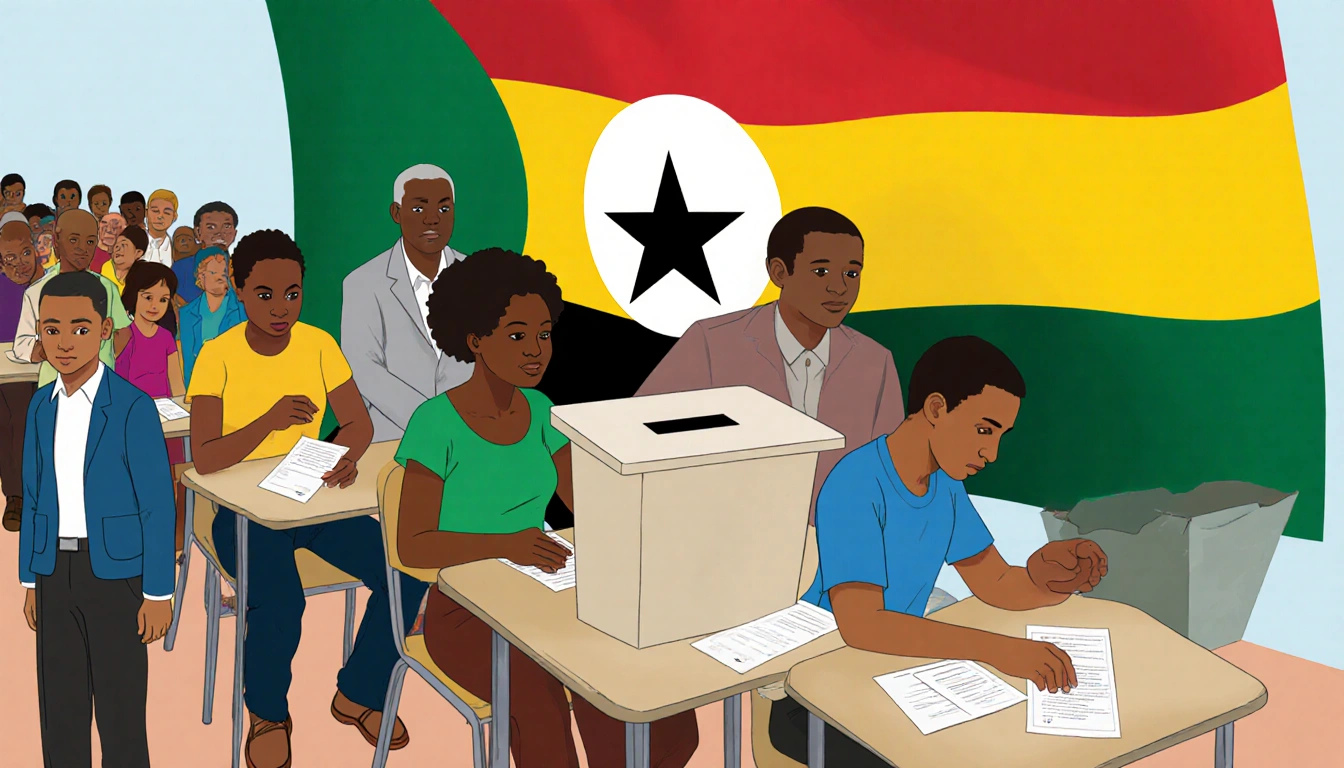
Voters across Guinea will cast ballots on Sunday for the country’s first presidential contest since the military seized power in a 2021 coup. The election marks a critical moment for a nation that has been ruled by soldiers for four years. Analysts predict that Gen. Mamadi Doumbouya, who seized control after ousting President Alpha Condé, will likely secure a seven-year term.
Guinea is one of ten African states where soldiers have taken over since 2020, and several of those regimes have subsequently moved toward democratic elections after delaying a return to civilian rule.
Voter Numbers and Logistics
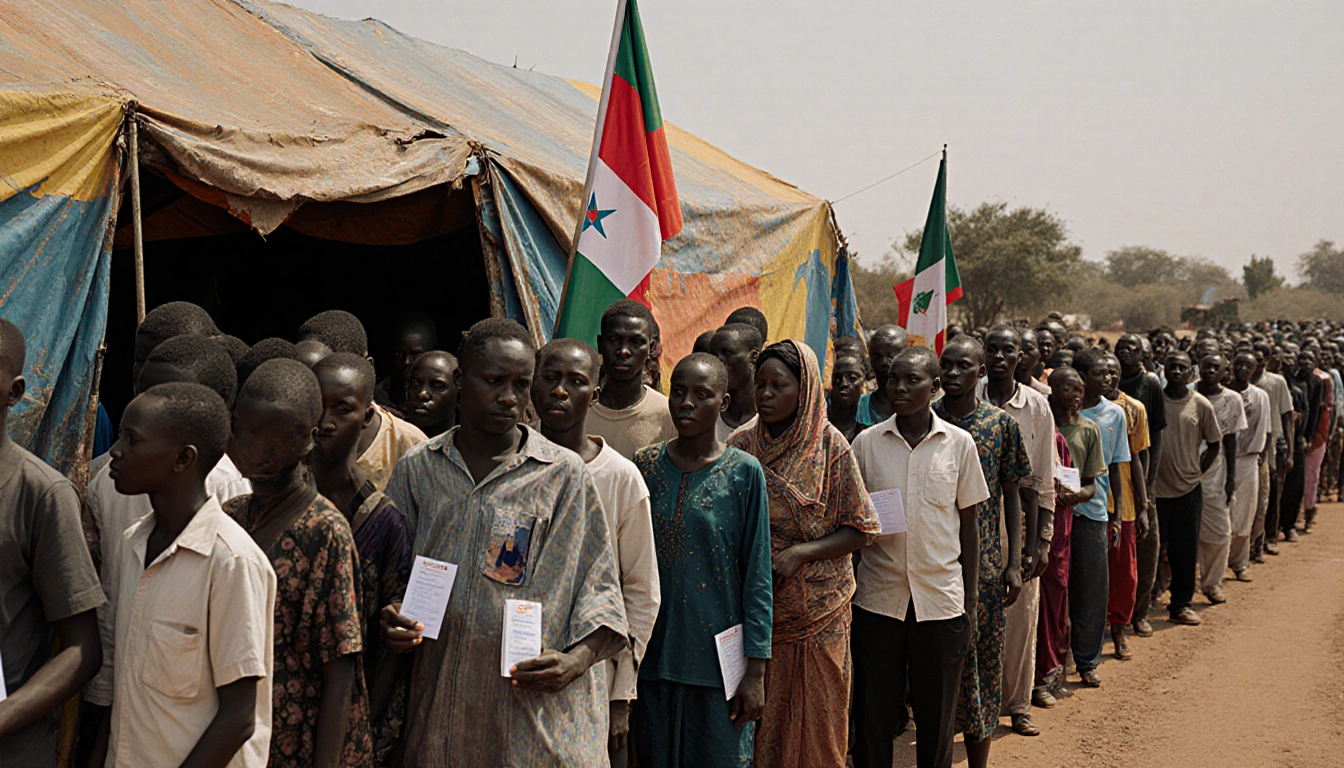
The electoral commission expects about 6.7 million registered voters to participate. These ballots will be distributed across roughly 24,000 polling stations nationwide. Results are slated to be announced within 48 hours, with a runoff scheduled if no candidate achieves a majority.
The Economic Community of West African States (ECOWAS) has already deployed an observation mission to monitor the vote.
Opposition Landscape
Nine candidates have filed to run, but the field is dominated by the junta. Doumbouya’s nearest rival is Yero Baldé of the Democratic Front of Guinea, a former education minister under Condé. Baldé has pledged governance reforms, anti-corruption measures, and economic growth.
Two former opposition figures-ex-prime minister Lansana Kouyaté and ex-minister Ousmane Kaba-were excluded from the ballot on technical grounds. Long-time leaders Cellou Dalein Diallo and Sidya Toure have fled the country and are now in exile.
Constitutional Changes and Public Sentiment
The election will be conducted under a new constitution that lifts the ban on military leaders running for office and extends the presidential term from five to seven years. This constitution was approved in a September referendum that opposition parties urged voters to boycott.
Alioune Tine, founder of the Afrikajom Center, a West African political think tank, criticized the process: “It’s an election without the main opposition leaders and that is taking place in a context where civic space is heavily restricted,” Tine said. “The vote is mostly designed to legitimize Doumbouya’s grip on power.”
Mamadou Bhoye Diallo, a restaurant owner in Conakry, declined to vote and called the election a “farce.” He asked, “When a candidate is also the referee, can we expect a miracle?” He added, “Major parties are sidelined and their leaders are in exile. You call that an election?”
Civil Society and Media Environment
Activists and rights groups report that civil society leaders have been silenced, critics abducted, and the press censored since the coup. Last year, authorities dissolved more than 50 political parties, claiming it was to “clean up the political chessboard,” despite widespread criticism.
Doumbouya’s Campaign and Infrastructure Projects
Despite the challenges, Doumbouya maintains significant goodwill among many Guineans. He has framed his campaign around major infrastructure projects and reforms launched during his four-year rule.
Mamadama Touré, an 18-year-old high school student wearing a T-shirt emblazoned with Doumbouya’s image, praised the leader as a champion of youth. “In four years, he has connected Guinean youth to information and communication technologies,” the student said, citing digital skills training programs introduced by the authorities.
One of the junta’s flagship projects is Simandou, a 75 % Chinese-owned mega-mining venture at the world’s largest iron ore deposit. After decades of delays, the mine began production last month.
Authorities say a national development plan tied to the Simandou project aims to create tens of thousands of jobs and diversify the economy through investments in agriculture, education, transport, technology, and health.
Doumbouya’s campaign has been marked by large rallies and extensive media coverage. State media and administrative support have given him a decisive advantage over rivals with limited resources.
Key Takeaways
- Guinea’s first post-coup presidential election will see junta leader Mamadi Doumbouya likely secure a seven-year term.
- The opposition is fragmented, with key leaders excluded or in exile.
- A new constitution removed restrictions on military leaders and extended the presidential mandate.
- Civil society faces significant repression, and media censorship has intensified.
- Doumbouya’s campaign focuses on infrastructure projects like Simandou and digital youth programs.
The election’s outcome will shape Guinea’s political trajectory for years to come, as the nation navigates between promises of democratic transition and the realities of a military-led administration.