At a Glance
- Guinea holds its first presidential election since the 2021 coup.
- Junta leader Mamadi Doumbouya is the front-runner amid a weakened opposition.
- Over 6.7 million voters will cast ballots across 24 000 polling stations under heavy security.
- Why it matters: The vote will decide whether Guinea can return to democratic governance or remain under military rule, affecting regional stability and the lives of millions.
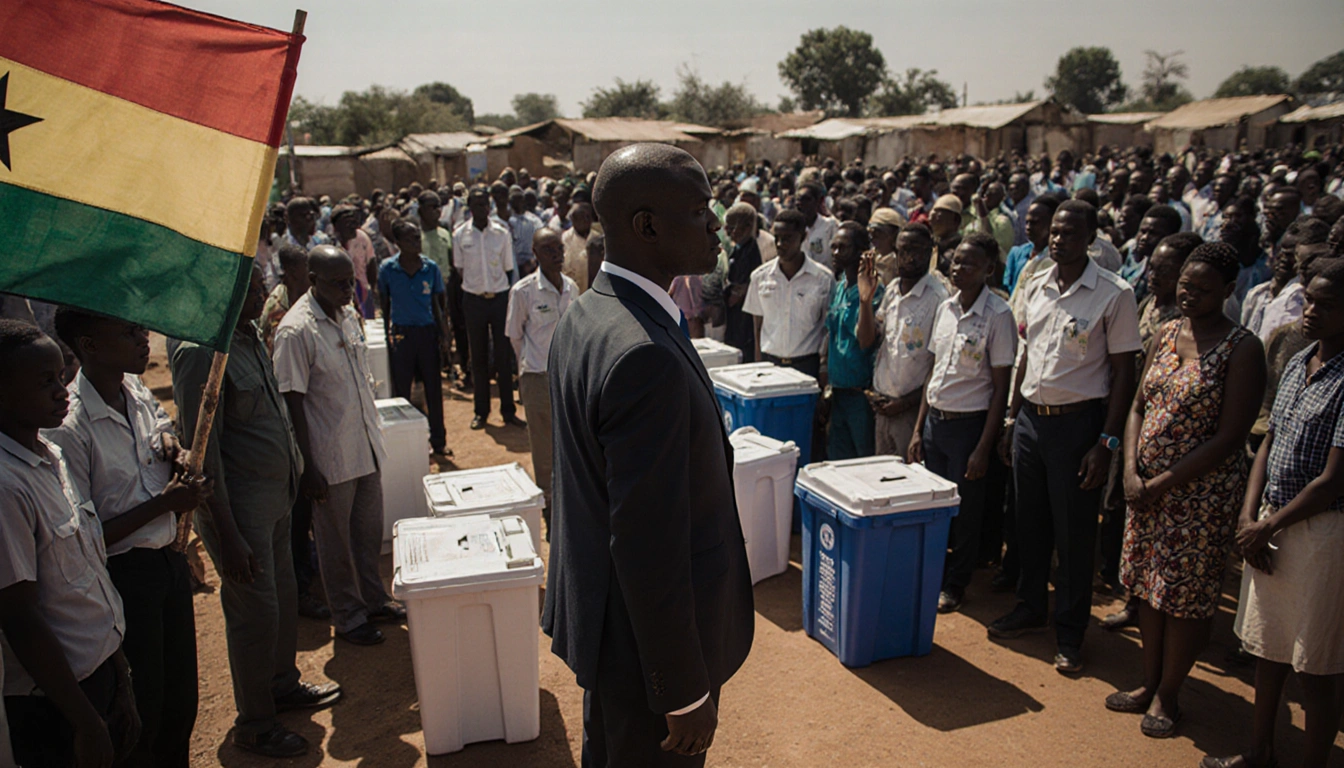
In a country still reeling from a 2021 military coup, Guineans turned out to vote in a presidential contest that could reshape the nation’s political future. The election, the first since the junta seized power, pits the de facto leader Mamadi Doumbouya against a field of eight challengers, though the opposition faces significant obstacles.
Election Context
The transition began four years ago after Doumbouya ousted former President Alpha Condé. Since then, the junta has introduced a new constitution that lifts the ban on military leaders running for office and extends the presidential term from five to seven years. The constitutional referendum, approved by an overwhelming majority, was boycotted by opposition parties.
| Candidate | Party | Notable Role |
|---|---|---|
| Mamadi Doumbouya | Military Junta | Incumbent leader |
| Yero Baldé | Democratic Front of Guinea | Former education minister |
| … | … | … |
| … | … | … |
The race features nine candidates, with Mamadi Doumbouya leading and Yero Baldé as his closest rival. Former Prime Minister Lansana Kouyaté and former minister Ousmane Kaba were excluded on technical grounds, while longtime opposition leaders Cellou Dalein Diallo and Sidya Toure have fled into exile.
Opposition and Security
Opposition parties have been sidelined; two former ministers were barred on technical grounds, while leaders Cellou Dalein Diallo and Sidya Toure fled into exile. Activists report civil society leaders silenced, critics abducted, and press censored. More than 50 political parties were dissolved last year in a move authorities said was to “clean up the political chessboard”.
**Aboubacar Sidiki Diakité stated:
> “This election will open a new page in Guinea’s history and mark the country’s return to the league of nations. Doumbouya is undoubtedly the favorite in this presidential election because the main opposition political parties have been sidelined and the General Directorate of Elections, the body that oversees the presidential election, is under the supervision of the government.”
Security forces mobilized nearly 12,000 police officers; checkpoints were set up along major roads. Authorities claimed they “neutralized” an armed group with “subversive intentions threatening national security” after gunshots were heard in Conakry’s Sonfonia neighborhood.
Issatou Bah said:
> “This is the third time I’ve voted in Guinea, hoping things will change. But nothing has changed. I hope the election will improve this country that has everything but struggles to take off.”
Economic and Development Focus
Doumbouya’s campaign emphasizes infrastructure and economic reforms, notably the Simandou iron ore project-a 75% Chinese-owned mega-mining venture at the world’s largest iron ore deposit that began production last month. The national development plan tied to Simandou aims to create tens of thousands of jobs and diversify the economy through investments in agriculture, education, transport, technology and health.
Mamadama Touré said:
> “In four years, he (Doumbouya) has connected Guinean youth to information and communication technologies. The digital skills training programs put in place by the authorities have been a game changer.”
Despite Guinea’s rich mineral resources, more than half of its 15 million people face record poverty and food insecurity, according to World Food Programme.
Key facts:
- Registered voters: 6.7 million
- Polling stations: 24 000
- Security forces: 12,000 police
- Results expected within 48 hours; runoff if no majority
Key Takeaways
- Guinea holds its first post-coup election, deciding the nation’s political direction.
- Mamadi Doumbouya is the clear favorite amid a weakened opposition and heavy security.
- The Simandou project and national development plan drive the junta’s economic agenda.
As Guinea votes, the world watches whether the junta will maintain its grip or open a new chapter in democratic governance. The outcome will shape the nation’s future and its place in the region.