In a stark reminder of the fragile truce, Hamas announced on Sunday that a senior commander had been killed in Gaza, a day after Israel reported the death of Raed Saad in a strike outside Gaza City.
Raed Saad: A Targeted Strike
Israel said the strike that killed Saad occurred when an explosive device detonated, wounding two soldiers in Gaza’s south. The Israeli military described Saad as an architect of the Oct. 7, 2023 attack that sparked the current war in Gaza and claimed he had been “engaged in rebuilding the terrorist organization” in breach of the ceasefire that took effect two months ago.
Hamas’s statement identified Saad as the commander of its military manufacturing unit. The group emphasized that it had named a new commander, though it did not disclose any details, and reiterated its right to “respond to the occupation’s aggression.”
A Saturday Strike West of Gaza City
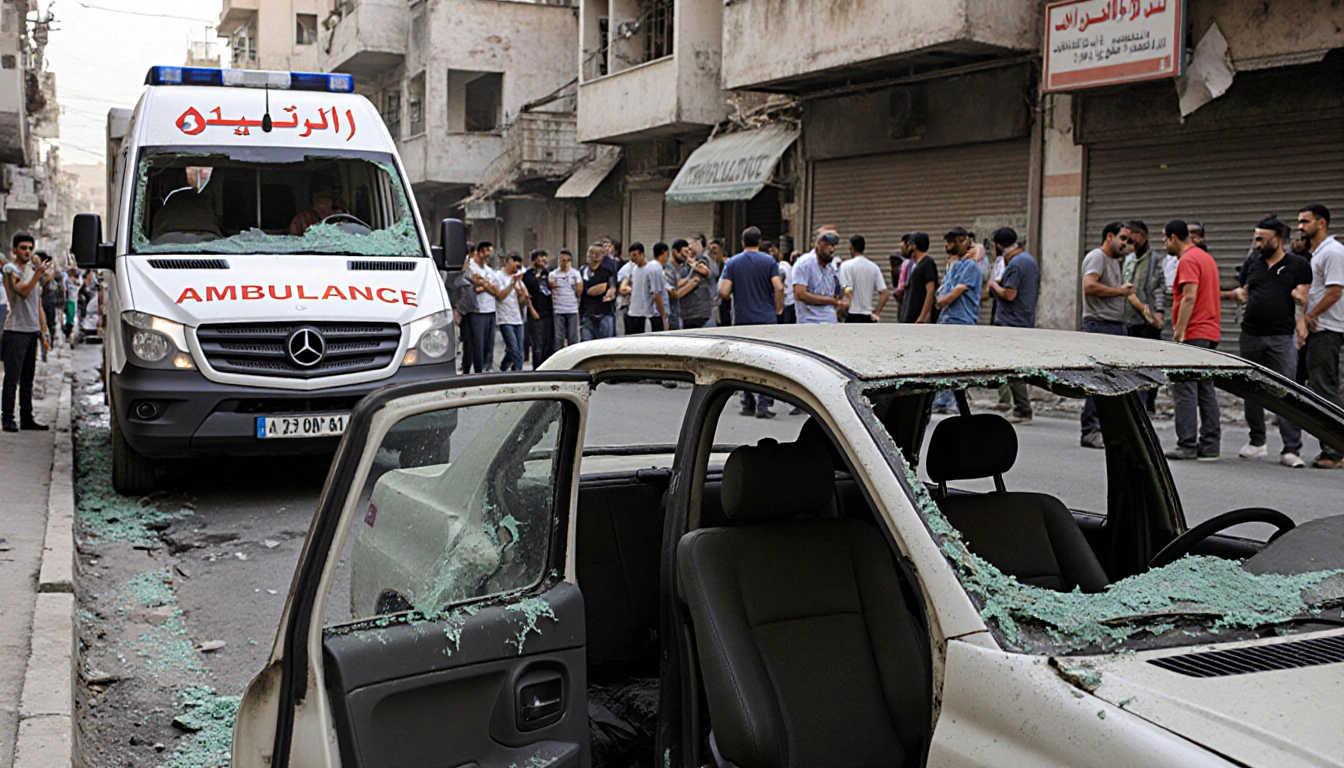
The day before the announcement of Saad’s death, a strike west of Gaza City killed four people, according to an Associated Press journalist who observed their bodies arriving at Shifa Hospital. Al‑Awda hospital reported an additional three wounded. In its initial statement, Hamas described the vehicle struck as a civilian one.
Both sides have repeatedly accused each other of violating the truce. Palestinian health officials say Israeli airstrikes and shootings in Gaza have killed at least 391 Palestinians since the ceasefire began.
Israeli Claims of Retaliation
Israel says its recent strikes are retaliation for militant attacks against its soldiers. It also reports that troops have fired on Palestinians who approached the “Yellow Line” that separates the Israeli‑controlled majority of Gaza from the rest of the territory.
On Sunday, the Israeli military said it had killed a “terrorist” who crossed the line and approached troops in northern Gaza.
Hostage Issue and Ceasefire Phases
Israel has demanded that Palestinian militants return the remains of the final hostage, Ran Gvili, from Gaza. The Israeli government calls this a condition for moving to the second, more complicated phase of the ceasefire. That phase would outline a vision for ending Hamas rule and rebuilding a demilitarized Gaza under international supervision.
The initial Hamas‑led attack on southern Israel in 2023 killed around 1,200 people and took 251 hostages. Almost all hostages or their remains have been returned in ceasefires or other deals.
Gaza Casualties and Health Ministry Figures
Israel’s two‑year campaign in Gaza has killed more than 70,660 Palestinians, roughly half of whom are women and children, according to the territory’s Health Ministry. The ministry does not distinguish between militants and civilians in its count. It operates under the Hamas‑run government, is staffed by medical professionals, and maintains detailed records viewed as generally reliable by the international community.
Key Takeaways
- Hamas confirmed the death of senior commander Raed Saad after Israel’s strike.
- A Saturday strike west of Gaza City killed four people, with three more wounded.
- Israeli airstrikes and shootings have killed at least 391 Palestinians since the ceasefire.
- Israel demands the return of Ran Gvili’s remains as a precondition for the next ceasefire phase.
- Gaza’s Health Ministry reports over 70,660 Palestinian deaths in the two‑year campaign, half of them women and children.
The latest developments underscore the ongoing volatility of the ceasefire and the high human cost on both sides. As each side continues to report casualties and accusations, the path toward a lasting resolution remains uncertain.
Closing
The death of a top Hamas commander and the continued Israeli strikes highlight the fragile nature of the truce that has held for two months. With casualties mounting on both sides and the hostage issue still unresolved, the prospects for a peaceful settlement remain distant. The international community watches closely as the conflict evolves, hoping for a return to stability.
For more AP coverage on the Israel‑Hamas conflict, visit https://apnews.com/hub/israel-hamas-war.