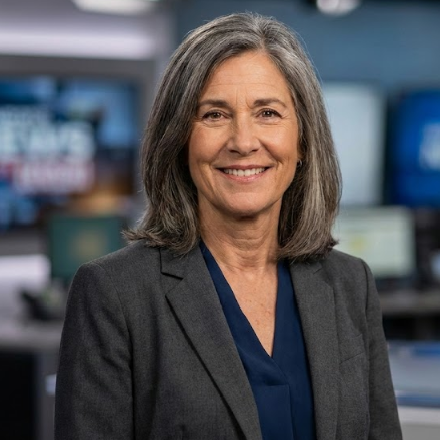
Washington (AP) – Health-care bills are draining families across America, a new AP-NORC poll shows, as retirees like Julia Dvorak fear Medicaid will soon be needed.
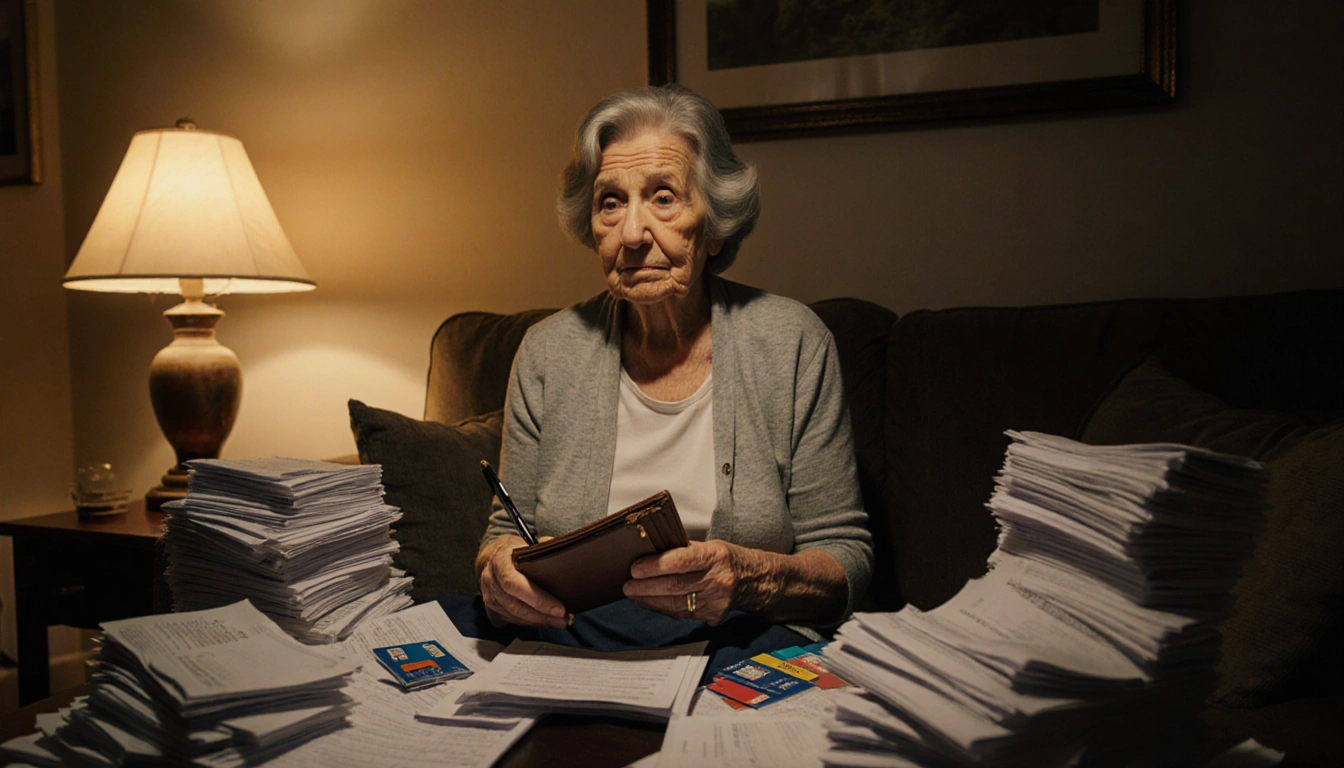
Julia Dvorak, 56, worries that her 83-year-old mother’s frequent emergency-room visits for seizures are eroding her retirement savings. “I see how it affects me and my loved ones,” Dvorak, who lives outside Cedar Rivers, Iowa, said about the cost of health care. “But I also know it’s affecting other people, and it’s getting worse.”
Dvorak’s own health costs are expected to rise next year because she suffers from a chronic knee condition that keeps her on state and federal assistance. The financial squeeze she faces mirrors a broader trend that has made health care a growing concern for Americans.
Joshua Campbell, 38, a small-business owner from Hot Springs Village, Arkansas, was shocked by the high cost of health care when he and his wife sought a medical plan for their young daughter. “Health care costs are pretty crazy,” he said. “I just thought, ‘Man, there’s got to be something better than what we have.'”
Campbell, who voted for Trump last year, still largely supports the president’s immigration stance but has become more concerned about health-care expenses as he heads into 2026.
Tommy Carosone, 44, a jet-aircraft mechanic from St. Peter’s, Missouri, says grocery prices are “stupid expensive,” especially meat. “My wife is spending so much more money on groceries than just a few years ago. Every time she comes home from the grocery store, I hear about it,” Carosone said. “She tells me it’s outrageous.” He added, “In the meantime, what are you going to do, not eat?” Carosone is glad he voted for Trump and had been concerned about illegal immigration before Trump took office again, but he says it no longer ranks as a top priority for him. “It’s a lot better,” he said. “It’s not really one of the main concerns I have now. I mean, don’t stop. That’s for sure. But I don’t think it’s something that’s a top concern.”
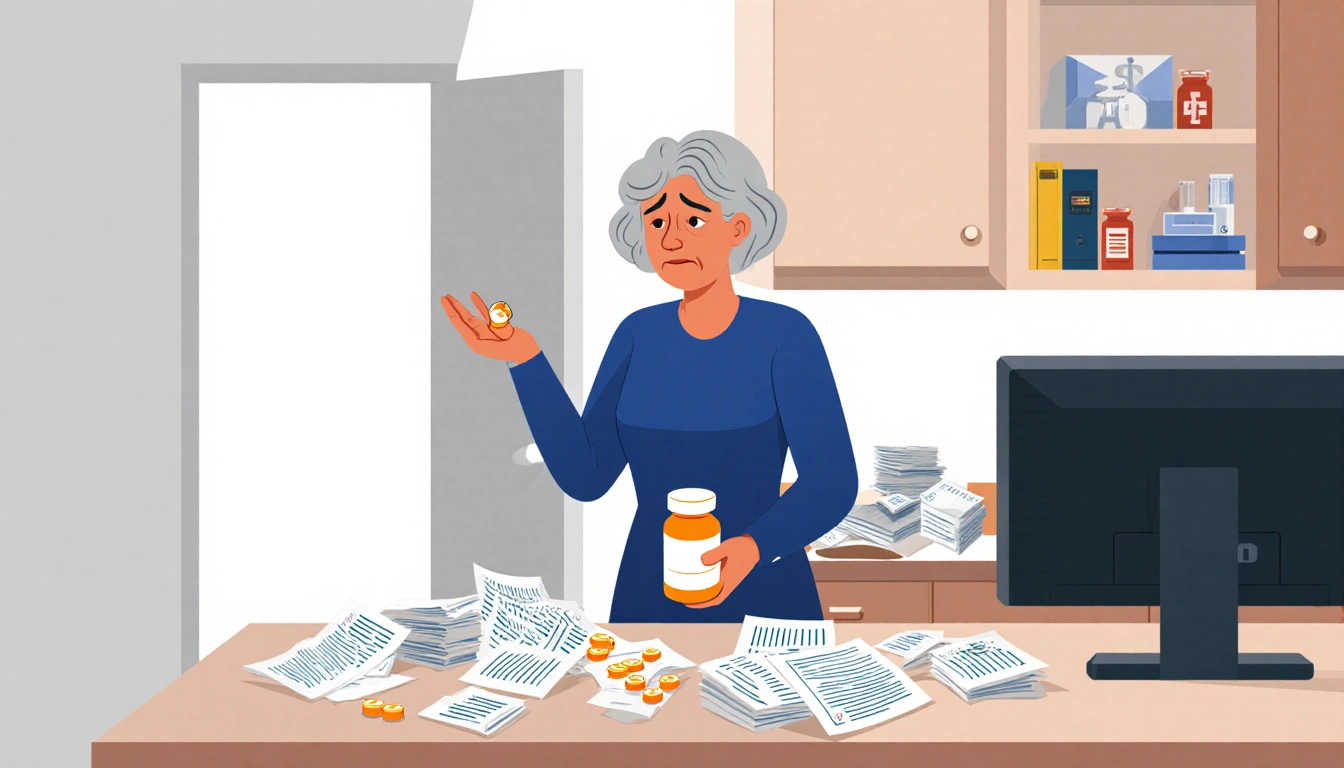
Roxanna Holper, 64, of Minnesota, worries about the Trump administration’s approach to immigration. “(Trump) campaigned with, you know, ‘We’re going to get the worst of the worst … off the streets,'” she said. “Well, who doesn’t want that?” She believes that’s not what’s actually happening. “You hear stories where a mom was deported with her two children,” she said. “Like, what the hell – well, who are we as a society that we would treat anybody like that? That is so appalling.”
The AP-NORC poll of 1,146 adults, conducted Dec. 4-8 using NORC’s probability-based AmeriSpeak Panel, found that about 4 in 10 U.S. adults named health care or health issues as a top priority for the government to address in 2026. That share is up from roughly one-third of respondents last year.
Health care is especially salient for adults aged 45-59, who face higher costs than younger peers but are not yet eligible for Medicare. The same age group also reported that health care costs are “pretty crazy,” echoing Campbell’s sentiment.
The poll also revealed that 2 in 10 U.S. adults want the federal government to focus on housing costs next year. About one-quarter of adults under 30 cite housing as a priority, compared with about 1 in 10 of those 60 or older.
Immigration remains a concern, particularly among Democrats. About 4 in 10 Democrats listed it as a priority this year, up from 32% last year. Republicans and independents still consider it important-about 6 in 10 mentioned it, though that is down from about 7 in 10 last year.
The sharp rise in health-care concerns follows President Donald Trump’s administration reducing Medicaid spending and ending pandemic-era subsidies for the Affordable Care Act. Those policy changes are expected to push millions toward higher out-of-pocket costs early next year and could bring health care back to the center of the 2026 midterm election debate, which will decide congressional control.
The poll also showed that 66% of U.S. adults say they are “slightly” or “not at all confident” that the government will make progress on the country’s most important problems in 2026, a drop from 58% the year before.
Key Takeaways
- Health care tops the list of concerns for 2026, with 4 in 10 adults citing it as a priority.
- Rising costs are affecting families across the country, from retirees to small-business owners.
- Policy shifts that cut Medicaid and remove ACA subsidies are expected to increase out-of-pocket expenses.
The new poll underscores a national anxiety about health-care affordability and signals that the issue will likely dominate the political conversation as the 2026 midterm elections approach.