
With less than three weeks left before the COVID‑era enhanced tax credits that have helped millions pay for Affordable Care Act coverage expire, many Americans are facing a sudden spike in insurance costs. The Senate rejected two proposals on Thursday aimed at preventing this outcome, and a new health care package from House Republicans does not include an extension, leaving the majority of the country without a clear path to lower premiums in 2026.
Wisconsin Retirees Forced to Downgrade Plans
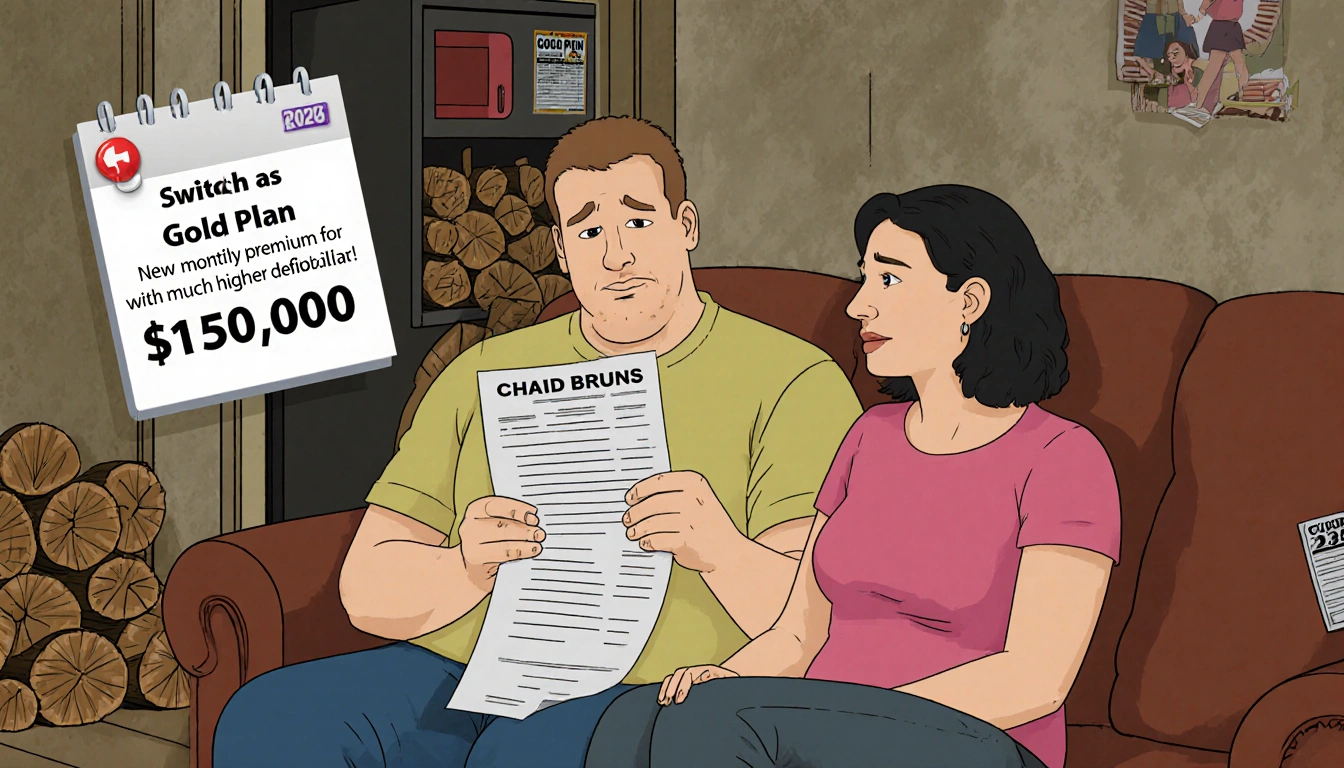
Chad Bruns, a 58‑year‑old military veteran who retired from firefighting after arm and back injuries, lives with his wife Kelley in Sawyer County, Wisconsin. Both retirees keep a tight budget: they cut their own firewood, rarely eat out, and only buy groceries on sale. This year, the couple paid $2 a month for a top‑tier gold plan with a deductible of less than $4,000. In 2026 the same plan will rise to $1,600 a month, pushing them to switch to a bronze plan that carries a $15,000 deductible.
The new plan will also raise their out‑of‑pocket maximum to $21,000, almost half of their combined income. Kelley Bruns expressed deep concern: “We have to pray that we don’t have to have surgery or don’t have to have some medical procedure done that we’re not aware of.” She added, “It would be very devastating.”
Michigan Family Plans to Go Uninsured
Dave Roof, 53, runs a small music production and performance company in Grand Blanc, Michigan, while his wife Kristin sells handmade goods on Etsy. Their family of four has relied on ACA coverage since 2014, and the plan cost $500 a month. With subsidies ending, the premium will jump to at least $700 a month, and deductibles and out‑of‑pocket costs will rise.
Roof’s household earns about $75,000 a year, a level he says makes the increase unmanageable. He and his wife have decided to forgo insurance next year, paying cash for prescriptions, checkups, and other medical needs. Roof explained, “The fear and anxiety that it’s going to put on my wife and I is really hard to measure,” and added, “But we can’t pay for what we can’t pay for.”
Nevada Single Mom Tightens Budget
Katelin Provost, 37, works as a social worker in Henderson, Nevada, and is a single mother of a 4‑year‑old daughter. Her current plan costs $85 a month, but the fee will climb to nearly $750 next year. Provost has chosen to pay the higher cost for January and will reevaluate after that month, depending on whether Congress extends the subsidies.
If the subsidies are not renewed, she plans to drop herself from the plan while keeping coverage for her daughter, as the combined cost would be too high. Provost said, “I’m going to have to reprioritize the next couple of months to rebalance that budget,” and added, “Christmas will be much smaller.”
Key Takeaways
- The expiration of enhanced ACA subsidies will trigger sharp premium hikes for many families.
- Wisconsin retirees will downgrade from gold to bronze plans with much higher deductibles.
- Michigan residents may choose to forgo insurance entirely due to unaffordable costs.
- Nevada single parents face steep plan increases that could reduce holiday spending.
The looming deadline, combined with the Senate’s rejection of relief proposals, signals that without congressional action, a large portion of the population will confront significant financial strain and potential loss of health coverage in 2026.