By late next year, a wave of hemp-derived products such as THC-infused drinks and gummies could disappear from retail shelves, officials say. The move follows a new government funding bill that prohibits any product containing more than 0.4 milligrams of THC. This threshold, set by lawmakers, marks a significant tightening of oversight for the rapidly growing hemp market.
The ban, slated to take effect next November, will eliminate all items exceeding the 0.4-mg limit, effectively shutting down a segment of the industry that has thrived on low-THC, flavored offerings. While the bill does not outlaw hemp itself, it imposes strict limits on the concentration of psychoactive compounds in consumer goods.
Senator Jeff Merkley of Oregon voiced skepticism about the new approach, noting, “I mean, that didn’t work so well for alcohol. Why will it work well here?” Merkley, along with Senator Ron Wyden, argues that the proposed legislation should focus on regulation rather than outright prohibition.
Merkley says, “It’s a pretty significant industry across the country. Why shut down something that’s a success as long as you can regulate it appropriately?” He hopes the bill will pass before the November deadline, allowing for a smoother transition for producers and consumers alike.
Merkley’s proposed solution, the Cannabinoid Safety and Regulation Act, would establish a legal purchasing age of 21, introduce standardized manufacturing and testing protocols, and prohibit products that exceed the THC threshold deemed excessive. The act aims to align hemp regulation with existing frameworks for other intoxicating products.
Wyden supports Merkley’s framework, emphasizing that a regulated market can protect consumers without stifling innovation. Together, the two senators seek to create a balanced approach that safeguards public health while preserving economic opportunities in the hemp sector.
The debate intensified after Kentucky Republican Senator Mitch McConnell championed closing the so-called hemp loophole in the 2018 farm bill. McConnell’s efforts were driven by concerns that the original legislation allowed a wide array of products to be sold with minimal oversight.
The 2018 farm bill legalized hemp but also opened the door for a range of products to be sold with little oversight. McConnell argued that companies have exploited the law, fueling an unregulated industry of intoxicating substances often targeted at children.
Speaking on the Senate floor on November 10, McConnell warned that the lack of regulation has led to an alarming number of children being exposed to these products. He said, “Children end up being the unknowing consumers of these poisonous products and being sent to the hospital at an alarming rate,” highlighting the public health risks.
McConnell’s stance underscores the urgency of tightening controls, especially given the prevalence of flavored, low-THC items that appeal to younger demographics. His push reflects a broader concern about the safety of hemp-derived goods in the marketplace.
The ban is expected to commence in roughly a year, but Merkley’s office indicates that farmers will need to adjust planting schedules as early as 2026. This timeline allows producers to adapt to the new THC limits before the next harvest cycle.
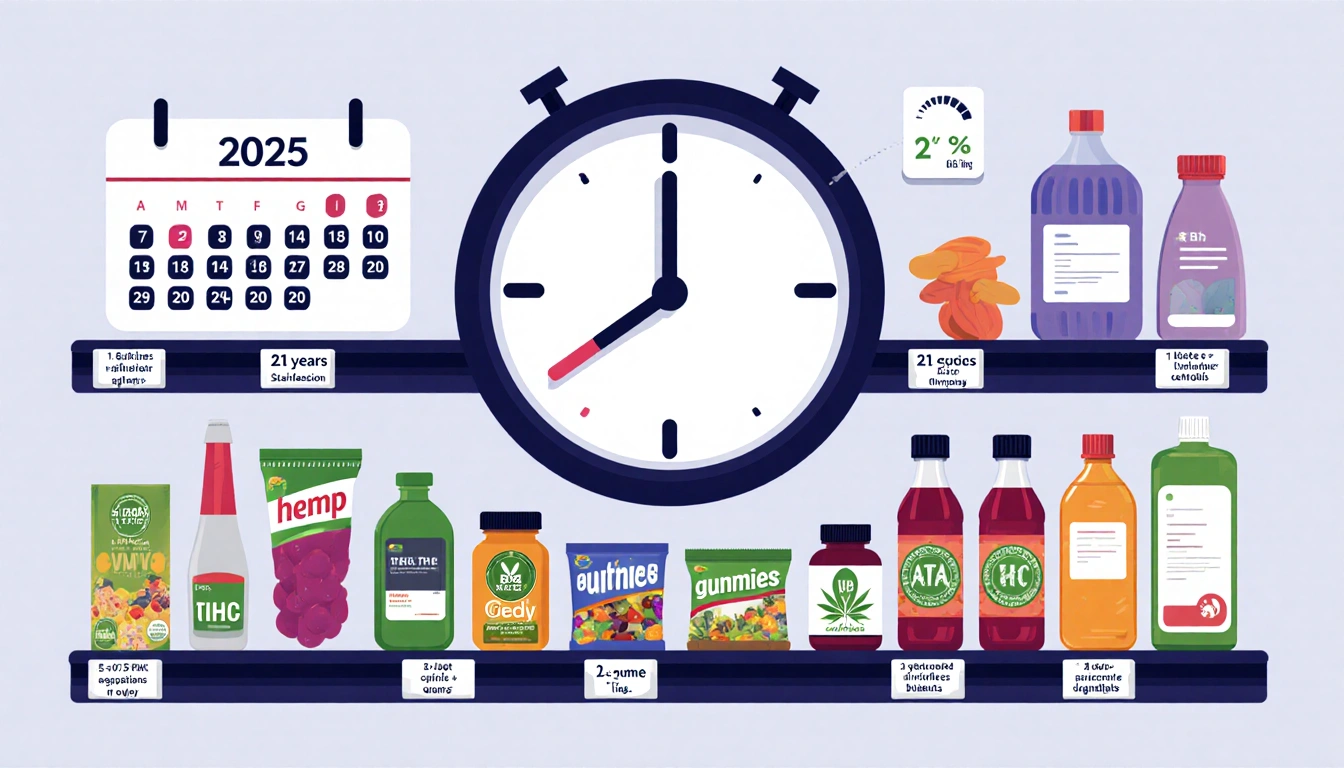
Farmers, therefore, face a critical decision period, with planting choices for 2026 directly impacting their ability to meet the forthcoming regulatory standards. The timing of the ban places pressure on the agricultural sector to comply with stricter THC thresholds.
Consumers, meanwhile, will see a shift in product availability. Items with THC concentrations below 0.4 milligrams will remain on shelves, while higher-content products will be removed, potentially reducing exposure among vulnerable populations.
The proposed 21-year-old purchasing age aligns with regulations for other intoxicants, aiming to curb underage consumption. This age limit is a key component of Merkley’s strategy to balance market growth with public safety.
Standardized testing protocols, as outlined in the Cannabinoid Safety and Regulation Act, would require manufacturers to verify THC levels before distribution. This measure seeks to ensure consistency and compliance across the industry.
By banning products that exceed the defined THC threshold, the act addresses concerns about excessive psychoactive content. The legislation intends to prevent the sale of items that could pose greater health risks to consumers.
The economic impact of the ban remains a topic of debate. Proponents argue that a regulated framework will sustain industry growth, while opponents worry that the restrictions could stifle innovation and limit consumer choice.
In sum, the upcoming ban on hemp-derived products exceeding 0.4 milligrams of THC signals a pivotal shift in federal policy. While the measure aims to protect public health, it also invites a broader conversation about how best to regulate an industry that has become a significant economic driver.
Key Takeaways
- THC-infused drinks and gummies may be removed from shelves by late 2025 as the 0.4-mg THC limit takes effect.
- Senator Merkley’s Cannabinoid Safety and Regulation Act proposes a 21-year-old purchase age, standardized testing, and a ban on excessive THC levels.
- The ban’s implementation will require farmers to adjust planting decisions by early 2026, while consumers will see a shift toward lower-THC products.
The debate over hemp regulation illustrates the tension between industry growth and consumer protection, with lawmakers weighing the need for oversight against the economic benefits of a thriving hemp market.