During the holiday season, a silent heart threat can surface, catching many unaware. Experts warn that overindulgence in food and drink can trigger sudden heart rhythm disturbances or heart failure. This condition, known as holiday heart syndrome, has been highlighted by leading cardiologists and the American Heart Association.
What Is Holiday Heart Syndrome?
Dr. Luke Laffin, a preventive cardiologist at Cleveland Clinic, explained that “Holiday heart is the development oftentimes of either cardiac rhythm disturbances or heart failure around the holidays.” He described it as a sudden onset of heart issues that can arise during the festive period. The news release emphasized that the syndrome can affect anyone, but certain populations are more vulnerable.
Laffin’s statement underscores the need for vigilance during the holidays. He noted that the heart’s response to excess can be unpredictable. His remarks serve as a call to action for patients and caregivers alike.
The Risk During the Holidays
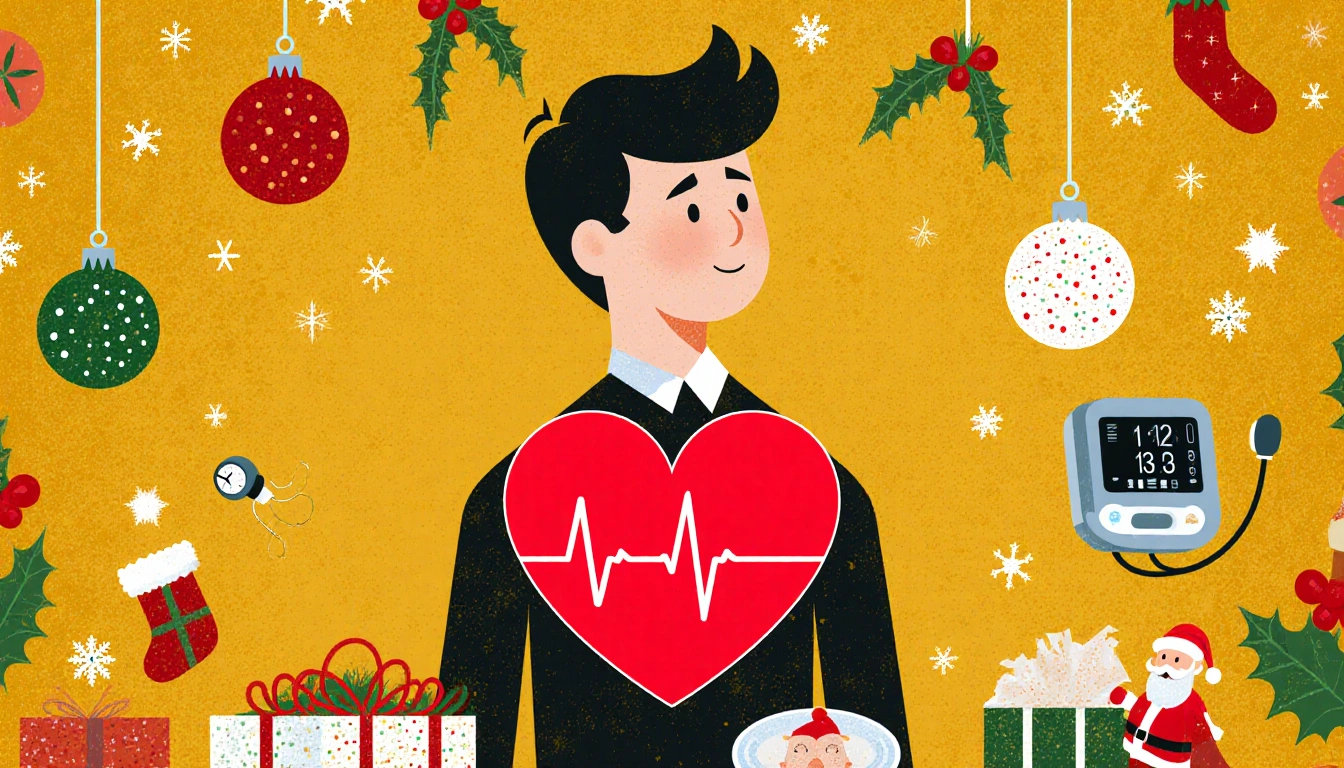
According to the American Heart Association, more people die between Dec. 25 and Jan. 1 than any other time of year. This statistic highlights the heightened risk of cardiovascular events during the holiday season. The AHA’s findings reinforce the urgency of preventive measures.
In an AHA statement, Dr. Donald Lloyd-Jones said “The holidays are a busy, often stressful, time for most of us.” He added that “Routines are disrupted; we may tend to eat and drink more and exercise and relax less.” Lloyd-Jones and professor Eileen M. Foell cautioned that “We also may not be listening to our bodies or paying attention to warning signs, thinking it can wait until after the new year.”
How to Protect Your Heart
Individuals who already have high blood pressure or diabetes are most at risk for holiday heart syndrome, Laffin said. These preexisting conditions can amplify the heart’s reaction to excess calories and alcohol. Healthcare providers emphasize that managing chronic conditions is key during the holiday period.
Signs of holiday heart can include palpitations, fatigue and shortness of breath, Laffin explained. These symptoms may appear suddenly and can be mistaken for normal holiday fatigue. Recognizing them early can prevent escalation to more serious complications.
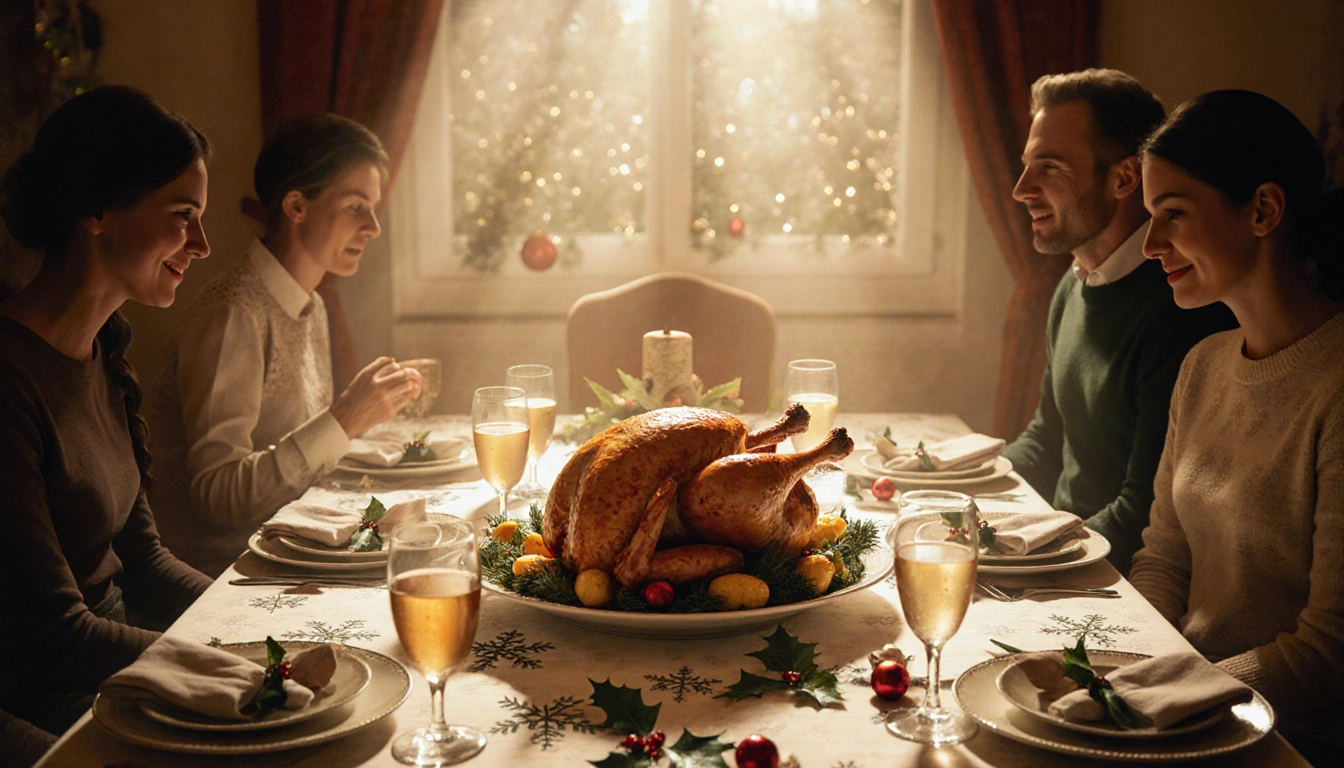
Holiday parties, dinners and get-togethers can lead to overindulging in food and alcohol, which make the heart work harder. The combination of high salt intake and alcohol can trigger arrhythmias. Such stress on the cardiovascular system is especially dangerous for those with underlying health issues.
Laffin recommends keeping salty foods and alcohol to a minimum, and filling up on heart-healthy things. He urged people to “Make sure you are consuming enough fruits and vegetables.” This advice aligns with general heart-health guidelines for balanced nutrition.
He also said, “You also want to make sure you’re drinking plenty of water.” Adequate hydration can counterbalance the dehydrating effects of alcohol. Staying hydrated supports overall cardiovascular function during festive celebrations.
Laffin warned that “If all we’re having is eggnog and Champagne, that’s a problem.” These drinks are often high in sugar and alcohol, both of which can strain the heart. Choosing lighter alternatives can reduce the risk of holiday heart complications.
When to Seek Emergency Care
Symptoms such as shortness of breath and chest pain could be signs of a medical emergency, Laffin advised. He emphasized that patients should seek help immediately if they experience these symptoms. Early intervention can be life-saving during the holiday rush.
The combined insights from Cleveland Clinic cardiologists and the AHA provide a clear roadmap for holiday heart prevention. Patients should monitor their health closely and avoid excessive indulgence. Healthcare professionals can support by educating patients about the risks and warning signs.
Key Takeaways
- Holiday heart syndrome involves sudden heart rhythm disturbances or heart failure during the festive season.
- High blood pressure and diabetes increase risk; symptoms include palpitations, fatigue, and shortness of breath.
- Prevention hinges on limiting salt and alcohol, eating fruits and vegetables, staying hydrated, and seeking immediate care for chest pain or breathlessness.
Final Thoughts
As the holiday lights twinkle and families gather, it’s crucial to keep heart health in focus. By following the guidance of experts like Dr. Laffin, Dr. Lloyd-Jones, and professor Foell, individuals can enjoy celebrations safely. Staying aware of the signs and making mindful choices can protect hearts during this joyous season.
The American Heart Association’s data underscore the seriousness of cardiovascular events during this time of year. Preventive measures can reduce the likelihood of emergencies and improve overall well-being. Health professionals and patients alike should heed these recommendations.
With the holiday season upon us, the message is clear: enjoy responsibly, monitor your heart, and seek help if symptoms arise. This balanced approach ensures that the festivities bring joy rather than risk. Wishing everyone a healthy and safe holiday season.
For more information on holiday heart syndrome and heart-healthy habits, consult your healthcare provider or visit reputable medical resources. Patients can find additional guidance on the Cleveland Clinic website or the American Heart Association’s holiday health page. Stay informed, stay healthy, and enjoy the holidays with peace of mind.