
At a Glance
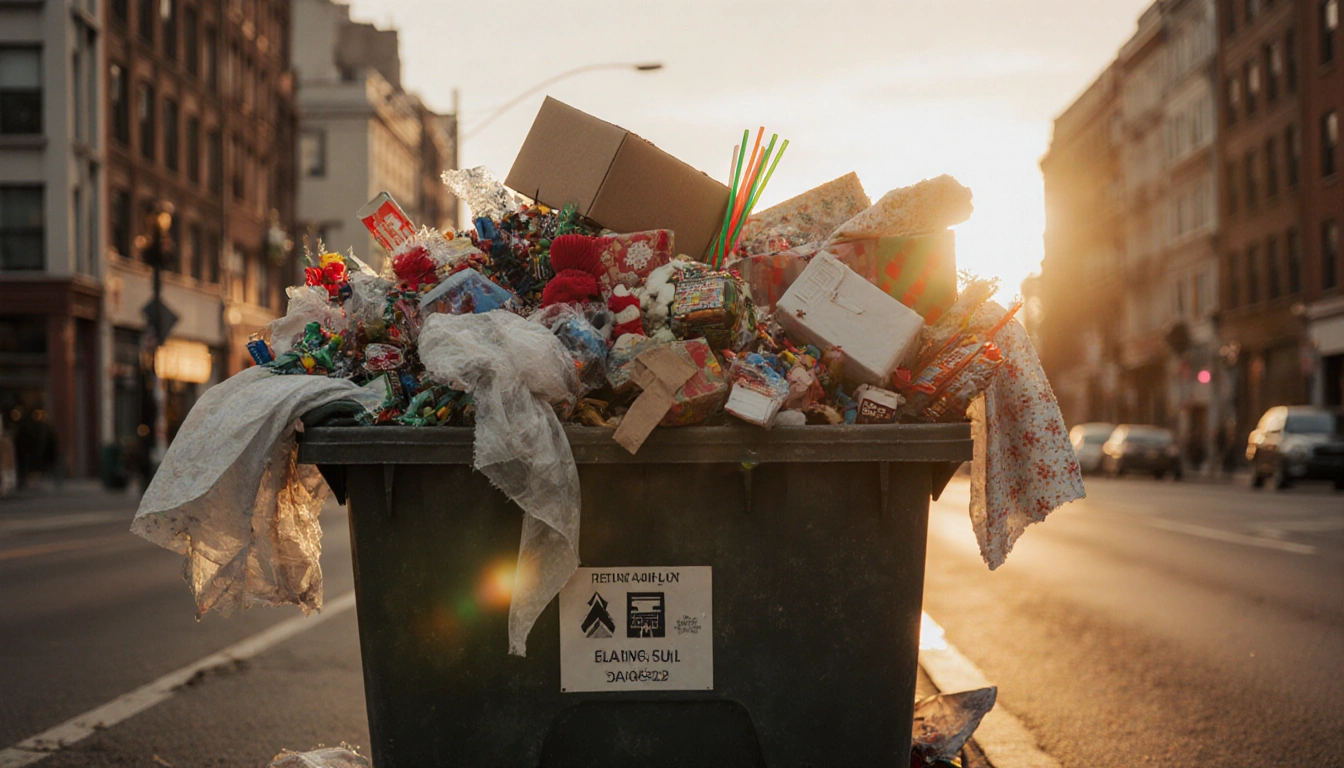
- 17% of holiday purchases will be returned this year.
- Returns add 25-30% more carbon emissions per item.
- Roughly one-third of returned items never resell.
- Why it matters: The surge in returns fuels waste, costs, and emissions that hit both retailers and consumers.
The holiday season may be ending, but the rush for product returns is just beginning. Retailers predict a record-high 17% return rate, prompting staff expansions and longer return windows.
Why Returns Are So Common
Online shoppers face uncertainty when buying for others, and the lack of physical try-on makes fit a gamble. Clothing and footwear see the highest return rates.
Saskia van Gendt said:
> “Clothing and footwear, as you can imagine, because fit is such an important criteria, they have higher rates of returns,”.
Environmental and Economic Costs
A returned item goes through the same supply chain again-transport, packaging, inspection-adding a 25-30% boost to its carbon footprint.
Joseph Sarkis explained:
> “It can be quite expensive,” and “If you send it out to a new customer and the phone is bad, imagine the reputational hit you’ll get. You’ll get another return and you’ll lose a customer who’s unhappy with the product or material.”
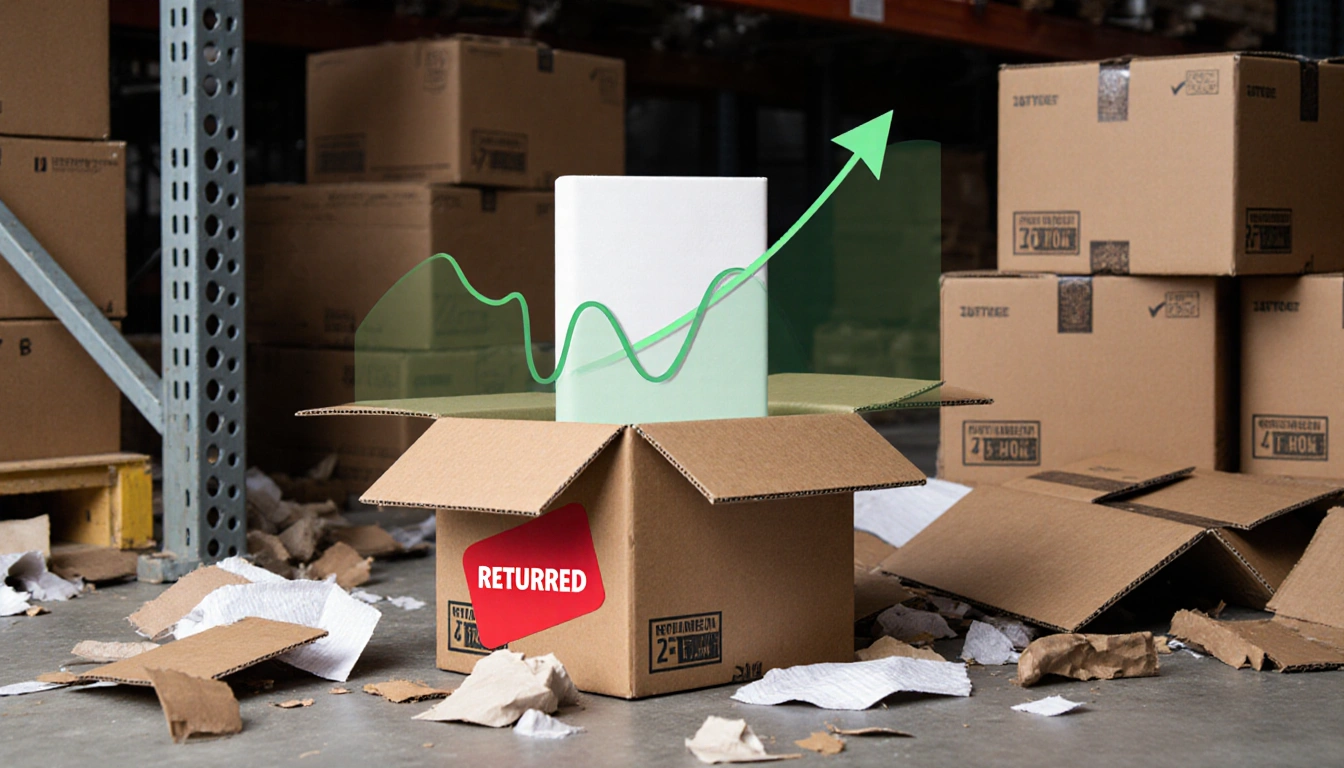
Roughly one-third of returns never reach another consumer; they end up in refurbish, liquidate, recycle, or landfill, driving extra energy use.
Christopher Faires noted:
> “Refurbishment, inspection, repackaging, all of these things get factored into the retail price.”
What Consumers Can Do
Small actions can reduce the return cycle and its impact.
Danni Zhang advised:
> “Be careful not to damage it, and reuse the packaging to send it back,” and “If you have to return something, do it quickly. That ugly Christmas sweater you got at the white elephant office party has a much better chance of selling on Dec. 20 than it does on Jan. 5.”
She added:
> “If I can return in-store, then I definitely will,” noting that in-store returns are more likely to be resold.
Consumers can also practice bracketing-buying multiple sizes and keeping the fit-though this strategy is not sustainable. Faires warned:
> “This behavior of bringing the dressing room to our homes is not sustainable.”
When buying for someone else, a gift card may be the greener choice. Zhang said:
> “I know we do really want to pick up something really nice to express our love for our friends or our family. But if we are more sustainable, probably the gift card will be much better than just purchasing the product.”
What Businesses Can Do
Transparency and cost-sharing can shift consumer behavior.
Sarkis wants companies to disclose the environmental cost of returns in product descriptions, though he worries it might send a negative message. He also supports charging for returns; Amazon already does so in certain cases.
On the tech front, Blue Yonder’s acquisition of Optoro provides a digital return-management system that quickly assesses condition and routes items to stores most likely to resell them.
Saskia van Gendt highlighted:
> “Having that process be more digitized, you can quickly assess the condition and put it back into inventory,” which helps avoid landfill and reduce carbon emissions.
Clothing remains the top return category, largely due to sizing inconsistencies. Better sizing and more advanced 3D imaging or virtual reality tools could cut return rates.
Key Takeaways
- 17% of holiday purchases are expected to be returned.
- Each return can raise a product’s carbon footprint by 25-30%.
- Consumers can cut waste by returning early, choosing in-store returns, and using gift cards.
The holiday return surge reminds retailers and shoppers alike that a more thoughtful approach can save money, reduce emissions, and keep the season sustainable.