On Sunday, Hong Kong’s largest pro‑democracy party voted to dissolve itself after more than three decades of political activism, a decision that signals a profound shift in the city’s once‑diverse political landscape.
The Decision
In a closed session, the Democratic Party’s members cast 97% of their ballots in favor of liquidation, a result announced by chairperson Lo Kin‑hei. Lo said the political environment was “one important point” among the factors they considered. He added, “Yet as the times have shifted, we now, with deep regret, must bring this chapter to a close.” The party’s dissolution marks the end of an era for Hong Kong’s moderate opposition.
Context of a Cracking Political Climate
The party’s demise follows a series of crackdowns that began with Beijing’s national security law in June 2020. The law led to the arrest of several Democratic Party leaders, including former chairs Albert Ho and Wu Chi‑wai, and other former lawmakers. Jimmy Lai, the founder of the pro‑democracy Apple Daily newspaper, was also charged under the law, and Apple Daily was shut down. Over the past five years, dozens of civil‑society groups, such as the Civic Party and a Tiananmen Square vigil group, have closed their doors.
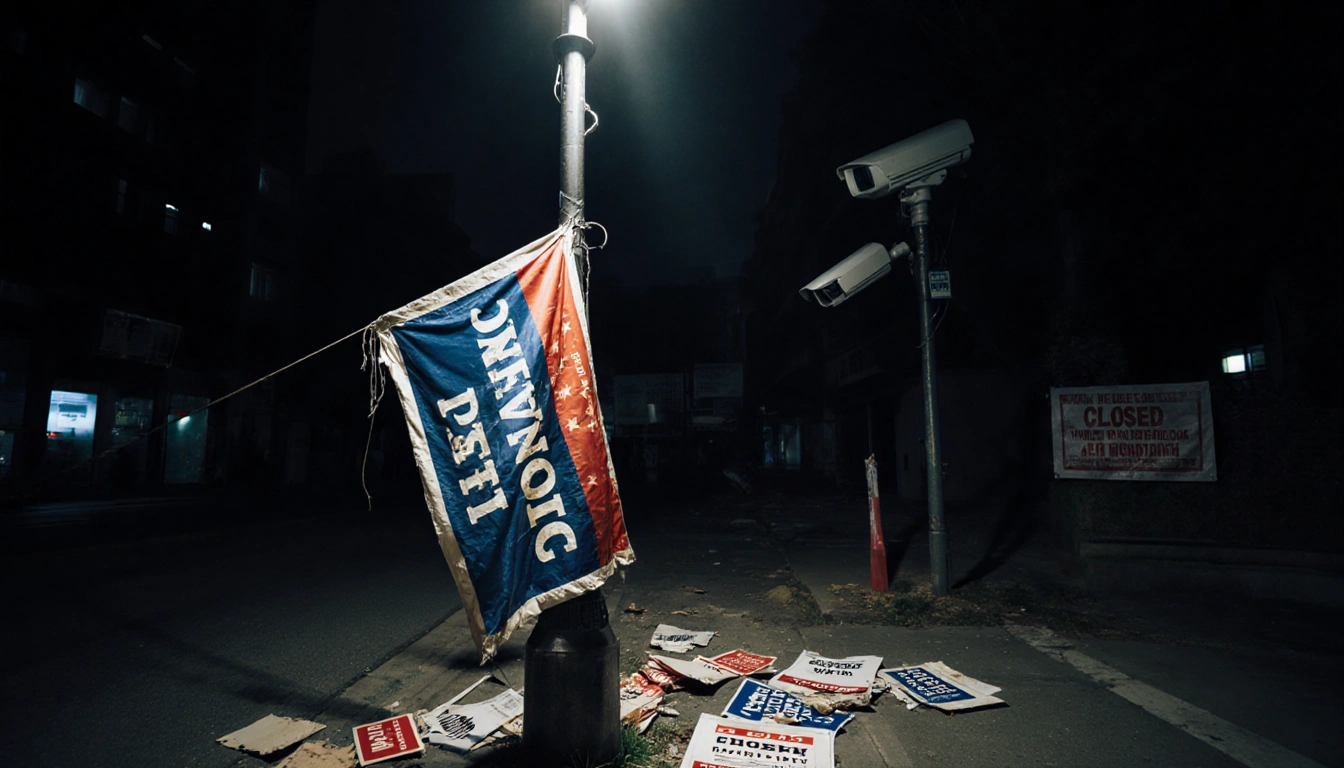
In June, the League of Social Democrats announced its own closure, citing immense political pressure. These events illustrate the shrinking space for dissent and the erosion of freedoms promised to Hong Kong when it returned to Chinese rule in 1997.
A Party With a Long History
Founded in 1994, the Democratic Party had long been a moderate opposition force that championed universal suffrage. Prominent members such as Martin Lee, nicknamed the city’s “father of democracy,” Ho, and journalist‑activist Emily Lau helped the party win multiple legislative seats and a sizable number of district‑council positions. Some former members later joined the government as senior officials.
The party’s willingness to negotiate with Beijing earned it a place in a 2010 political‑reform package, a move that drew harsh criticism from members who sought more sweeping changes. As new pro‑democracy groups emerged, the party’s influence waned, yet the 2019 protests revived its activism and support.
During Beijing’s crackdown, the Democratic Party became more of a pressure group. Electoral overhauls designed to ensure only “patriots” administer the city effectively shut out pro‑democracy politicians from the legislature and district councils. The party continued to hold news conferences on livelihood issues and even submitted opinions on a home‑grown national‑security legislation before it was enacted in March 2024.
Internal Steps Toward Dissolution
Earlier this year, the party established a task force to examine the procedures involved in dissolving itself. Its leadership secured a mandate from members to move closer to this goal. The decision to liquidate was presented as the best way forward for the party’s members, according to Lo.
Reflections on Hong Kong’s Political Path
Former chairperson Yeung Sum, speaking at the Sunday conference, said the party’s disbandment indicated a regression of Hong Kong from a free and liberal society. He noted, “Now, it’s a low point, but we haven’t lost all hope.” Yeung added that the route to implementing democracy after the 1997 handover wasn’t a total failure, saying the city had “just gone halfway through that path.” He further suggested, “If one day, there could be a review of the “one country, two systems” principle, which Beijing uses to govern Hong Kong, and it could move back toward being more open, the city would have a better future.”
Lo emphasized that the future of Hong Kong’s democracy movement depends on every Hong Konger. He said, “If Hong Kong people believe that democracy is the way to go, I believe that they will keep on striving for democracy.” Universal suffrage remains promised under the city’s mini‑constitution, a point Lo highlighted as a continued aspiration.
Key Takeaways
- The Democratic Party dissolved after a 97% vote, marking the end of a 30‑year legacy.
- Beijing’s national security law and subsequent crackdowns have led to the arrests of key activists and the closure of many civil‑society groups.
- The party’s moderate stance and willingness to negotiate earned it a place in a 2010 reform package, but its influence has since declined.
The dissolution of Hong Kong’s largest pro‑democracy party underscores a broader trend of shrinking political freedoms in the city, while voices like Yeung Sum and Lo Kin‑hei remind citizens that the struggle for democracy, though at a low point, still carries hope for the future.