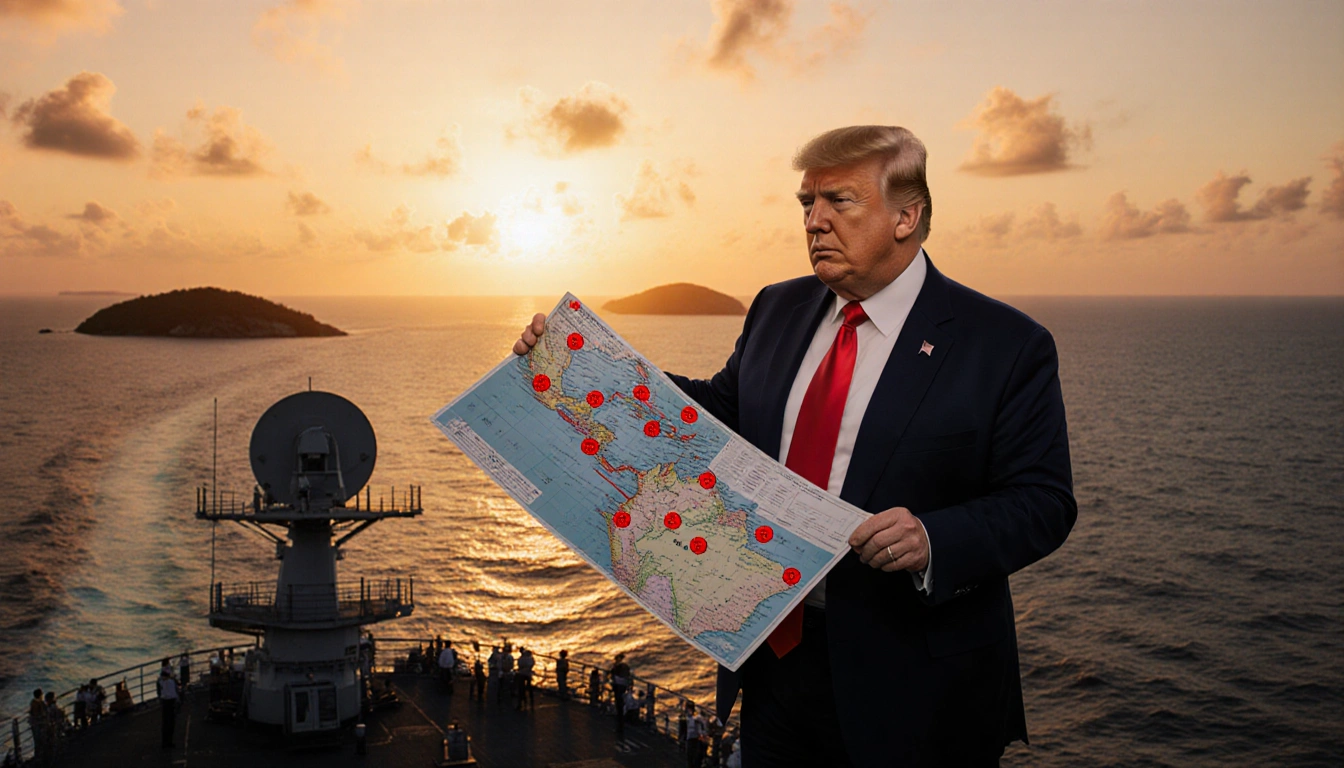
In a decisive move, the House of Representatives voted to reject two Democratic resolutions that sought to curb President Donald Trump’s military actions against suspected drug-trafficking vessels in the Caribbean and against Venezuela.
The Drug-Boat Strike Resolution
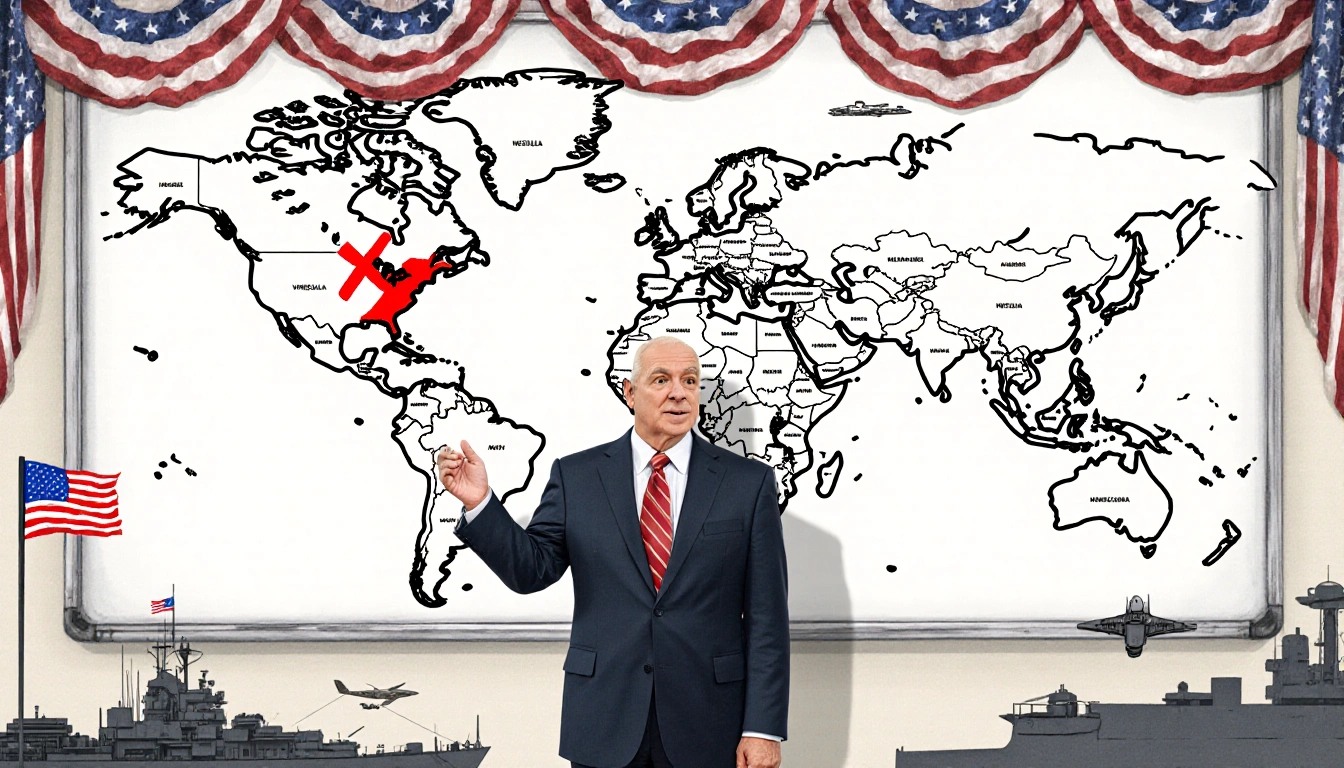
House Foreign Affairs Committee ranking member Gregory Meeks (D-N.Y.) introduced a resolution that would direct the president to end “hostilities with any presidentially designated terrorist organization in the Western Hemisphere” unless Congress authorized the action. The resolution was aimed at stopping the U.S. military’s strikes on suspected drug boats that began on Sept. 2.
The Trump administration has designated several Latin American drug cartels as foreign terrorist organizations and used that designation to justify the strikes. To date, the U.S. military has carried out at least 25 strikes against alleged drug-trafficking boats in the Caribbean and eastern Pacific, killing at least 95 “narco-terrorists.”
Meeks’s resolution was defeated 210-216. Two Republicans-Reps. Don Bacon (Neb.) and Thomas Massie (Ky.)-joined the bulk of Democrats in voting for the resolution. Two Democrats-Reps. Henry Cuellar (Texas) and Vicente Gonzalez (Texas)-joined all other Republicans in voting against it.
The Venezuela Hostilities Resolution
House Rules Committee ranking member Jim McGovern (D-Mass.) filed a resolution that would direct the president to remove the use of U.S. Armed Forces from hostilities within or against Venezuela unless Congress approved the action. The resolution was a response to President Trump’s announcement that he was directing a blockade of all sanctioned oil tankers entering and exiting Venezuela.
McGovern’s resolution was also defeated, this time 211-213. Reps. Bacon, Massie, and Marjorie Taylor Greene (R-Ga.) voted with most Democrats in favor of the resolution. Reps. Cuellar voted against it along with all other Republicans, while Gonzalez did not vote.
Context and Reactions
The drug-boat attacks have become a flashpoint in Trump’s aggressive war on drugs, pitting the administration’s Republican allies-who defend the military intervention as a necessary national-security measure-against critics who argue the president lacks the authority to conduct such operations without explicit congressional approval.
Trump’s approach to Venezuela has also drawn controversy. The blockade prompted Venezuelan leaders to order naval escorts for the vessels. Speaker Mike Johnson (R-La.) and other GOP leaders have sided squarely with Trump on both issues.
The two Democrats were able to bring their resolutions to the floor by using House rules that allow minority-party members to stage “privileged” measures. Meeks said in prepared remarks for debate on the House floor: “These strikes have not been authorized by Congress, and the administration has not sought congressional authorization to use lethal military force to address alleged criminal activity that, under U.S. law, does not carry the death penalty. That is a profound escalation, and one Congress has neither debated nor approved.”
McGovern, speaking on the House floor, said: “I think it’s immoral – not just a strategic failure, but a moral failure, that we have a president beating the drums of war with[out] so much as a vote from the House of Representatives,” “This is not ‘America First.'”
Similar war-powers resolutions brought by Democrats in the Senate to curb the Trump administration’s authority have failed this year. In early November, Republican senators sunk a resolution, introduced by Sen. Tim Kaine (D-Va.), that would have barred the administration from conducting military strikes inside Venezuela without Congress’s approval.
Key Takeaways
- The House rejected both the drug-boat strike resolution (210-216) and the Venezuela hostilities resolution (211-213).
- The drug-boat strikes began on Sept. 2, with at least 25 missions killing 95 “narco-terrorists.”
- Republican support for the resolutions was limited; key GOP votes aligned with Democrats in both cases.
The outcomes underscore the continued partisan divide over President Trump’s use of military force and the ongoing debate over congressional oversight of war-powers actions.