
In a startling revelation, a new report alleges that U.S. Immigration and Customs Enforcement (ICE) has been separating families by deporting migrants to Honduras without their children. The findings suggest that more than half of the families interviewed in Honduras were denied the opportunity to bring their children along. These families, many of whom have long lived in the United States, now face uncertainty about their children’s whereabouts. The report, which cites dozens of migrant interviews, raises serious questions about the deportation process.
The Report and Its Findings
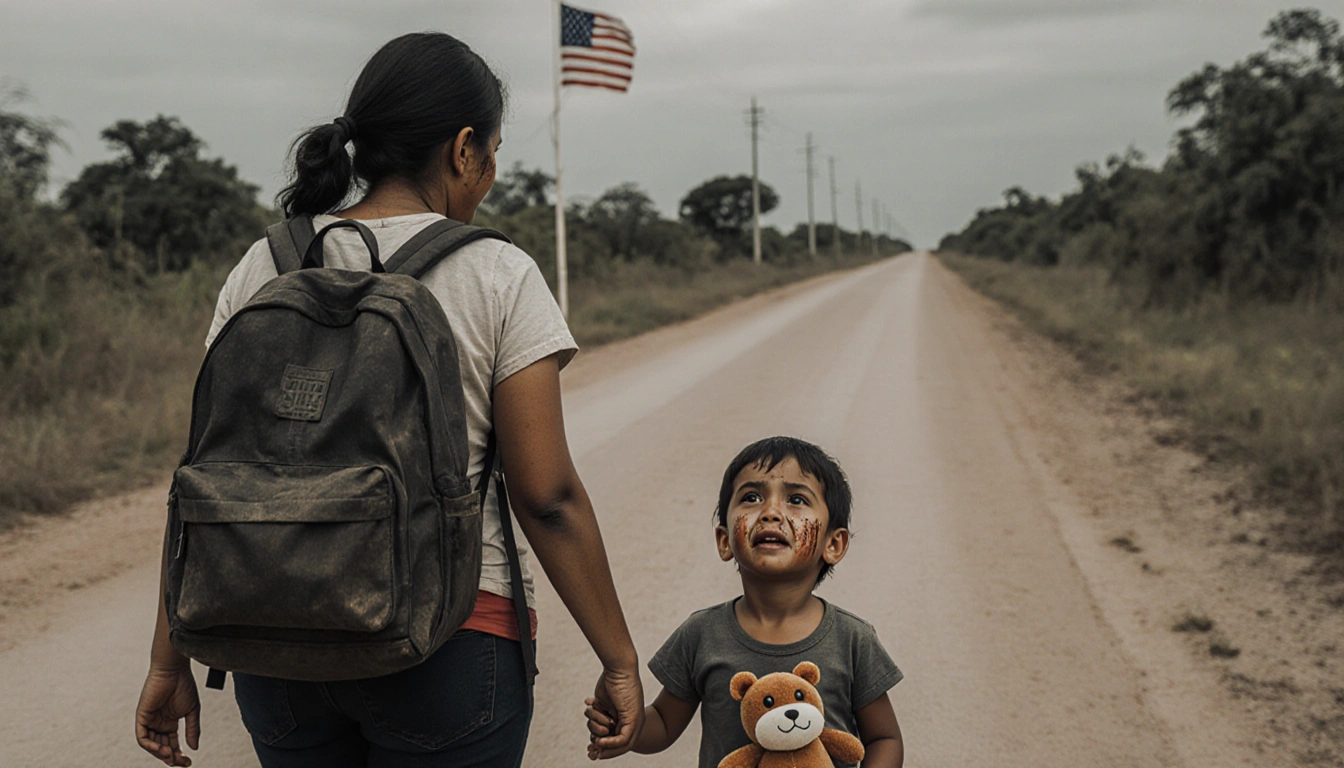
The report was produced by two nonprofit organizations that recently traveled to Honduras. They gathered testimony from migrants who had been deported there in late November, a period when over 300 migrants per day were being sent to Honduras from the United States. The organizations identified a pattern in which parents were sent to Honduras without their children.
According to the report, more than half of the parents interviewed had been deported without being given an opportunity to bring their children with them. The report also notes that many of these parents had explicitly requested to bring their children, or had signed paperwork expressing that wish, yet were still deported alone.
The report includes a direct quote from the findings: “Of the parents we spoke to, more than half had been deported without being given an opportunity to bring their children with them. Some of them described that, despite their efforts, they were unable to obtain basic information about their children’s location or care.”
The report highlights that the affected families include many long-time residents of the United States, indicating that the issue is not limited to recent arrivals.
Personal Stories from Honduras
Interviews conducted by the nonprofits revealed the emotional toll of the deportation process. Mothers arrived in Honduras in acute distress, having been unable to speak with their children or the person caring for them.
One father, who had been apprehended by ICE at work while his children were at home with a babysitter, was able to make a telephone call while still in the United States to arrange temporary childcare. This brief window of communication provided a glimmer of relief amid the uncertainty.
Another mother, who had been deported without the opportunity to bring her two-month-old child-a U.S. citizen-back with her, could speak only of her frantic desperation to have her newborn baby returned. The report describes her emotional state as one of profound distress.
The nonprofits also spoke with physicians, psychologists, and government officials, adding professional perspectives on the situation.
Policy Context
In July, the Trump administration altered policies concerning detained parents. The new Detained Parents Directive now orders communication with child welfare services and programs, where feasible.
This policy shift was intended to address concerns about family separation, yet the report suggests that the directive has not prevented the separation of parents and children in the context of deportations to Honduras.
Ongoing Investigation
Border Report has requested that the Department of Homeland Security (DHS) clarify whether migrants who are deported are given the option to bring family members. The story will be updated if additional information is received.
For further inquiries, Sandra Sanchez can be reached at [email protected].
Key Takeaways
- Over half of the parents interviewed in Honduras were deported without their children.
- Many families had explicitly requested to bring their children, yet were sent alone.
- The July policy change mandates communication with child welfare services, but the issue persists.
The report’s findings illuminate a troubling pattern of family separation in the deportation of migrants to Honduras. As Border Report continues to seek answers from DHS, the voices of those affected underscore the urgent need for clear policies that protect families during immigration enforcement.