
Instacart announced Monday that it would discontinue a price-testing program that had been running since 2023, following a Consumer Reports investigation and criticism from advocacy groups. The decision came after the company learned that shoppers were seeing different prices for the same product at the same time from the same store, a practice that raised concerns among families trying to stretch their grocery budgets.
Program Overview
The program was designed to help grocers and other retailers understand how price variations affect customer behavior. By offering shoppers multiple price points for the same item, retailers could gauge willingness to pay and adjust their strategies accordingly. Instacart claimed that the testing was conducted at random, not based on user data or demand.
Consumer Reports Investigation
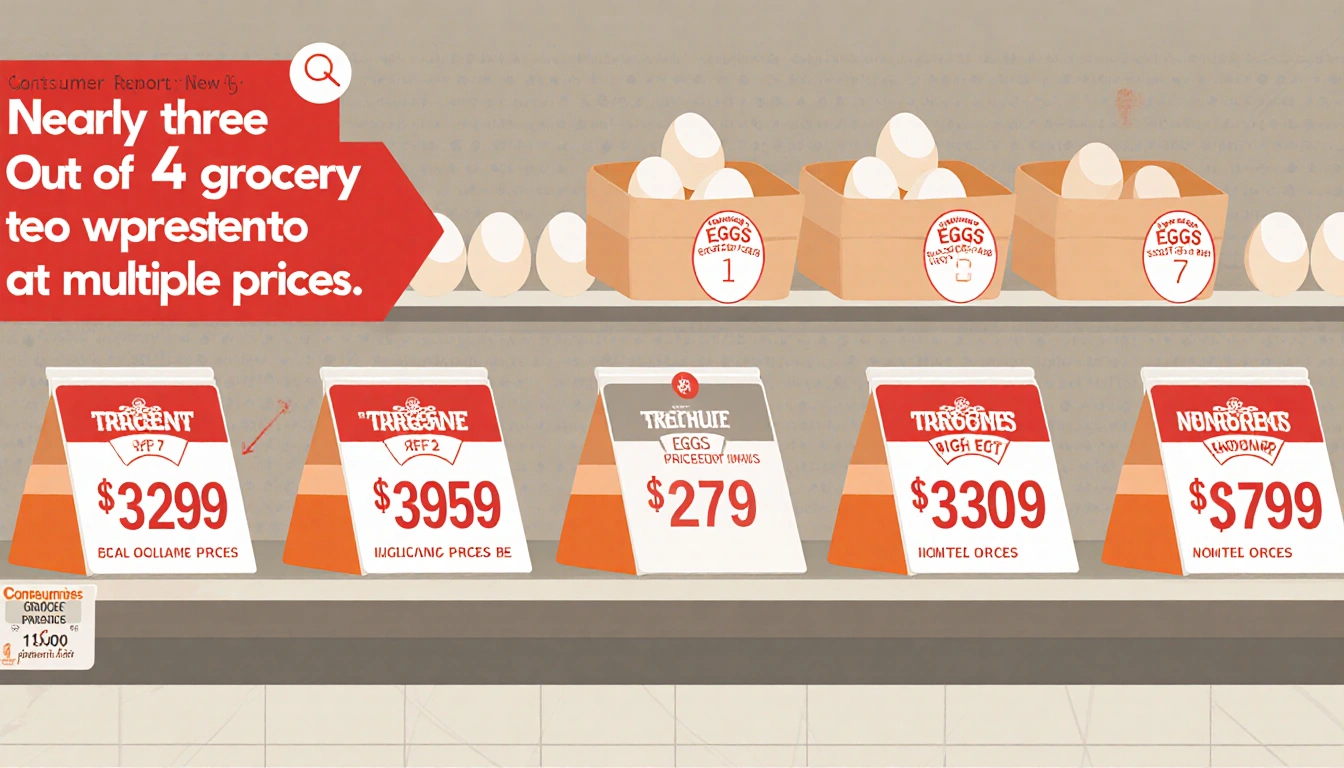
Consumer Reports, along with Groundwork Collaborative and More Perfect Union, released a report that revealed nearly three out of every four grocery items were presented to shoppers at multiple prices. The groups highlighted that the testing was not limited to a few products but was widespread across the platform. The findings prompted Instacart to reevaluate the practice.
Example: Lucerne Eggs
One illustrative case involved a dozen Lucerne eggs from a Safeway store in Washington, D.C. Instacart customers were shown one of five different prices: $3.99, $4.28, $4.59, $4.69, or $4.79. Some shoppers paid a slightly higher amount while others benefited from a lower price, with no clear rationale tied to customer profiles or purchase history.
Instacart’s Response
In a Monday blog post, Instacart said, “At a time when families are working exceptionally hard to stretch every grocery dollar, those tests raised concerns, leaving some people questioning the prices they see on Instacart. That’s not okay – especially for a company built on trust, transparency, and affordability.” The company emphasized that it would no longer support any item price testing services.
Instacart clarified that the services it had offered were neither dynamic pricing-where prices rise with demand-nor surveillance pricing, which would tailor costs based on a user’s income or shopping history. Instead, the company said the variations were distributed at random, without any personal data influence.
Retailers will continue to set their own prices on the delivery website and may still offer different prices at different brick-and-mortar locations. However, Instacart stated that from now on, it will not facilitate any price-testing programs for its partners.
The company declined to disclose how many customers may have been affected by the testing, but it announced that the service would end immediately. Instacart’s blog post also noted, “Trust is earned through clarity and consistency. Customers should never have to second-guess the prices they’re seeing.”
FTC Settlement and Refunds
Separately, Instacart agreed last week to pay $60 million in customer refunds to settle federal allegations of deceptive practices. The Federal Trade Commission had accused the company of falsely advertising free deliveries and failing to clearly disclose service fees that could add as much as 15% to an order. Instacart denied wrongdoing but said it reached the settlement to move forward and focus on its business.
Key Takeaways
- Instacart has ended its price-testing program after a Consumer Reports investigation.
- The program had offered shoppers multiple prices for the same item, with no basis in customer data.
- The company will no longer support price-testing services, while retailers can still set prices independently.
- Instacart also settled FTC claims with a $60 million refund to customers.
With the price-testing service discontinued and a significant refund settlement in place, Instacart signals a renewed focus on transparency and customer trust. The company’s actions reflect growing scrutiny over pricing practices in the on-line grocery delivery sector, as shoppers and regulators demand clearer, more consistent pricing.