
Instacart will refund $60 million to shoppers after the FTC accused it of hiding delivery and membership fees.
FTC Settlement
The U.S. Federal Trade Commission announced a settlement with Instacart last week. The agency alleged that the grocery-delivery company “engaged in numerous unlawful tactics that harmed shoppers and raised the cost of grocery shopping for Americans.”
Allegations
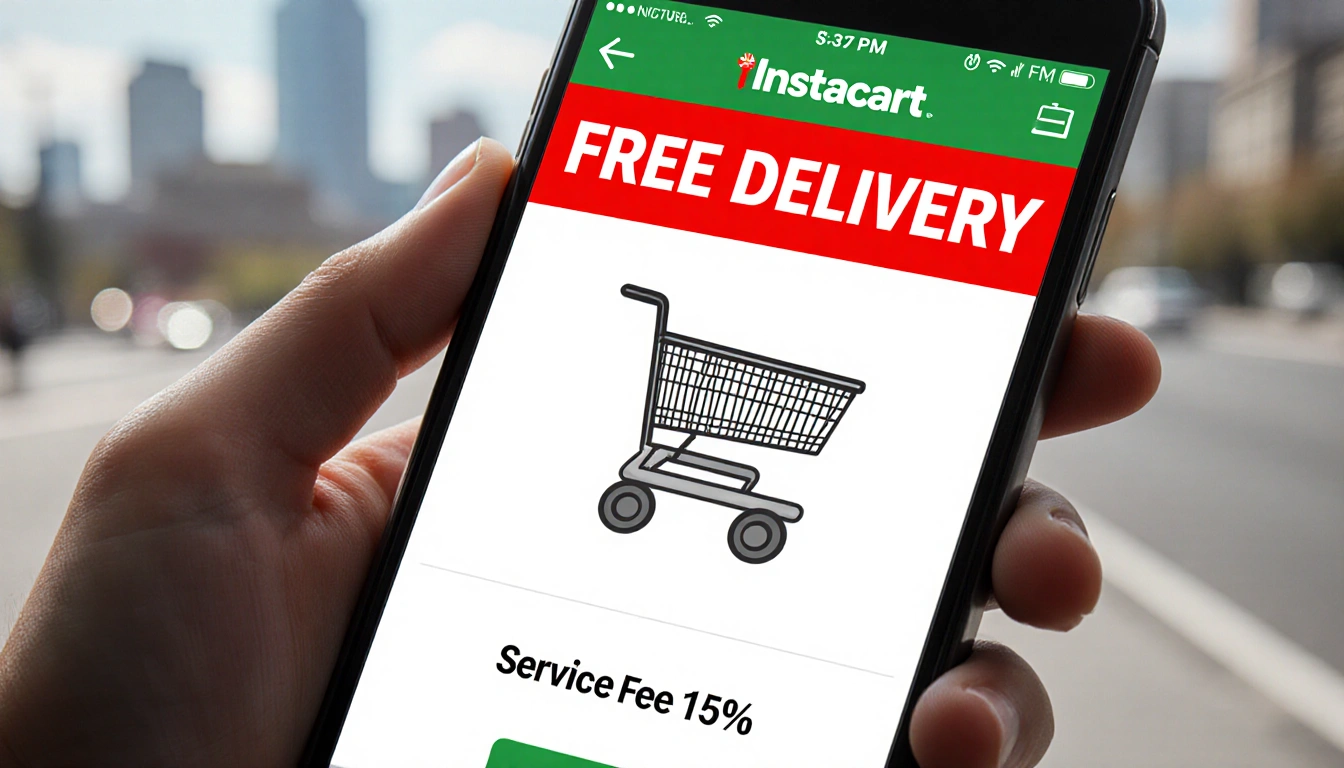
According to the FTC, Instacart advertised “free delivery” while charging a service fee that was not clearly disclosed. The fee could add as much as 15% to a delivery. The company also promoted a free enrollment process for its Instacart+ subscription but failed to adequately disclose that Instacart+ is a paid service.
In addition, the FTC claimed Instacart made it difficult for customers to obtain refunds if they were not 100% satisfied. In some cases, the company allegedly made it harder to report issues, causing customers to accept smaller credits for future purchases.
Instacart Response
“Instacart misled consumers by advertising free delivery services-and then charging consumers to have groceries delivered – and failing to disclose to consumers that signed up for a free trial that they would be automatically enrolled into its subscription program,” said Christopher Mufarrige, Director of the FTC’s Bureau of Consumer Protection, in the press release.
A representative for Instacart was not immediately available to explain how the company would identify eligible customers or process payments.
Instacart released a statement to the Associated Press: “Instacart is proud to offer a transparent, affordable and consumer-friendly service. We provide straightforward marketing, transparent pricing and fees, clear terms, easy cancellation and generous refund policies – all in full compliance with the law and exceeding industry norms.”
Refund Process
Customers may find updates on Instacart’s progress at the FTC’s refunds process page.
Pricing Experiment
Earlier this month, Instacart faced scrutiny over a pricing experiment. Consumer Reports, Groundwork Collaborative, and More Perfect Union reported that Instacart’s app displayed different prices for identical items to different customers, with differences of up to 23%.
Instacart responded by admitting to randomized online pricing tests with a subset of 10 retail partners. The company said the tests were part of a plan to “double down” on affordability and make services like Instacart accessible to more consumers. It also claimed that during testing, “prices never change in real-time, including in response to supply and demand,” likening the experiments to in-store pricing tests.
Key Takeaways
- Instacart will pay $60M in refunds after an FTC settlement.
- The company faced allegations of hidden delivery fees and undisclosed subscription charges.
- Instacart also admitted to conducting randomized pricing experiments that varied prices by up to 23%.
The settlement underscores the FTC’s focus on ensuring transparent pricing and delivery terms in the growing online grocery market.