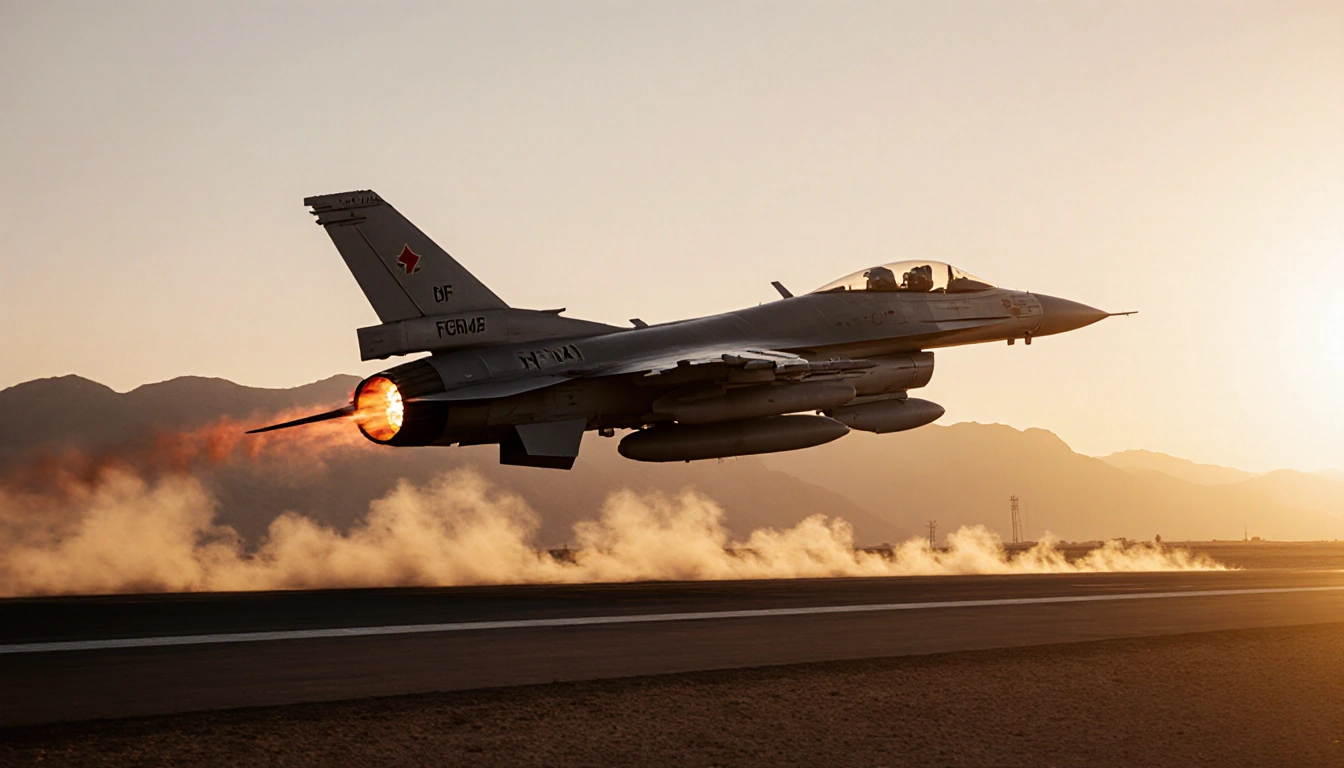
Jordan confirmed Saturday that its air force joined U.S. strikes on Islamic State targets in Syria, a move tied to the recent killing of three U.S. citizens.
Jordan Air Force Participation
The Jordanian military said its air force “participated in precise airstrikes … targeting several ISIS positions in southern Syria”. Jordan is one of 90 countries in the global coalition against IS, which Syria recently joined.
U.S. Strike Details
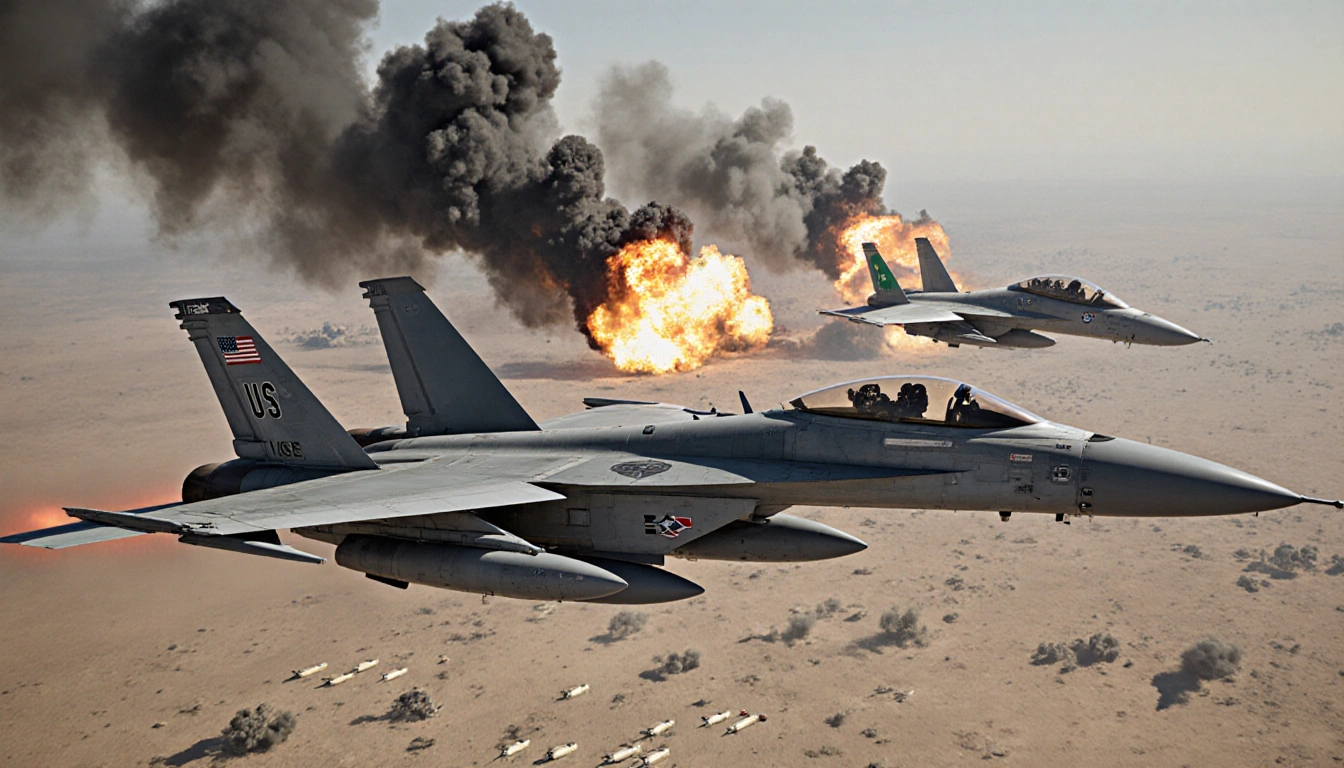
The United States launched strikes Friday on multiple sites in Syria to “eliminate” Islamic State fighters and weapons in retaliation for an attack that killed two U.S. troops and an American civilian interpreter. U.S. Central Command reported that its forces “struck more than 70 targets at multiple locations across central Syria with fighter jets, attack helicopters, and artillery,” with the Jordanian air force supporting with fighter aircraft.
The U.S. military did not disclose the number of casualties, but the Syrian Observatory for Human Rights said at least five people were killed, including the leader and members of an IS cell.
Context and Consequences
The strikes followed the shooting near Palmyra that killed three U.S. citizens, wounded three other U.S. troops and members of Syria’s security forces, and resulted in the gunman’s death. The assailant had joined Syria’s internal security forces as a base security guard two months earlier and was recently reassigned while under investigation for possible IS affiliation, according to Syrian officials.
Since the Dec. 13 attack, U.S. and partner forces have conducted 10 operations in Syria and Iraq, resulting in the deaths or detention of 23 terrorist operatives, and more than 80 counterterrorism operations in Syria in the past six months.
Key Takeaways
- Jordan air force joined U.S. strikes on ISIS targets in Syria.
- U.S. Central Command struck over 70 targets with air and artillery support.
- At least five people, including IS leaders, were killed in the strikes.
Jordan’s involvement underscores the coalition’s collective effort to curb ISIS’s resurgence in southern Syria and protect regional security.