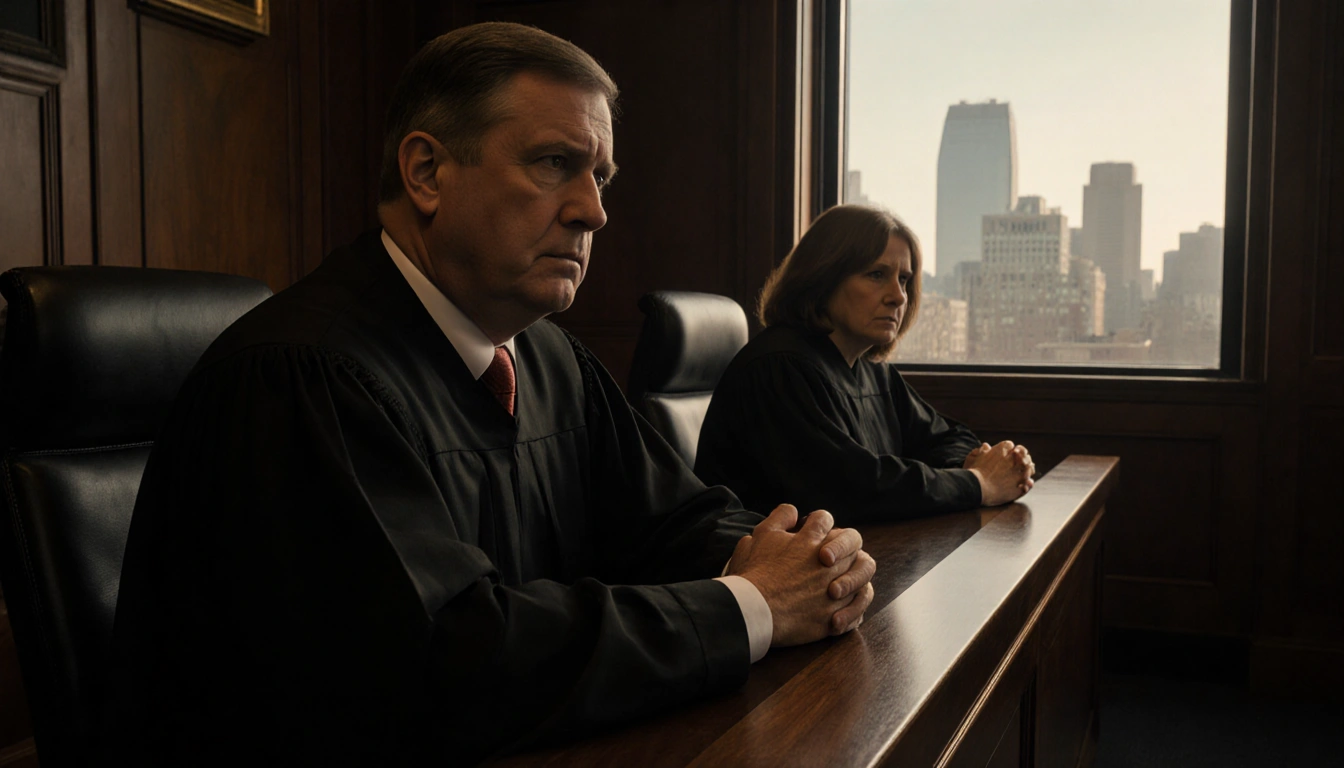
In a courtroom in Milwaukee, the trial of Judge Hannah Dugan has moved into its second day, as a fellow judge testified that she was stunned by Dugan’s conduct during an arrest.
The Trial Begins
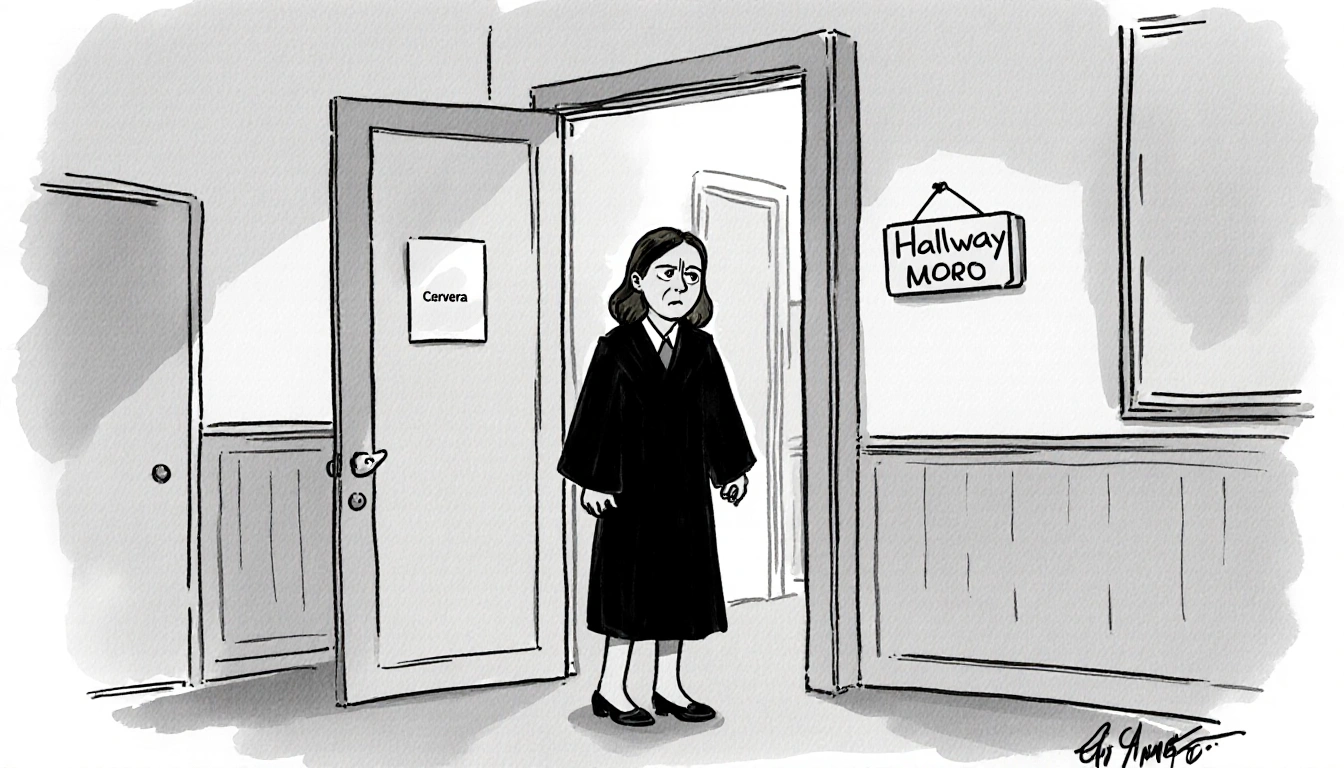
Milwaukee County Circuit Judge Kristela Cervera took the stand Tuesday at Dugan’s trial. She said, “Judges shouldn’t help defendants evade arrest,” and described how she was shocked when Dugan directed federal officers away from a Mexican immigrant.
The proceedings followed officers involved in the arrest telling the jury that Dugan’s behavior on April 18 made it more dangerous for them to do their jobs.
Witness Testimony
Cervera recounted the day she was asked to help. “I was irritated that Dugan used me as backup,” she said. “I came out of my courtroom into the hallway while still wearing my robe.”
She added that Dugan confronted two officers waiting to arrest Eduardo Flores-Ruiz, telling them repeatedly that they needed a judicial warrant before sending them to the chief judge’s chambers. “I escorted the officers to the chambers while Dugan returned to her courtroom,” Cervera testified.
When Dugan approached her three days later, Cervera said Dugan was “in the doghouse” with the chief judge, adding that the chief was upset with her because she had “tried to help that guy.”
Cervera also said she was shocked when she learned Dugan had led Flores-Ruiz out of the courtroom through a private door.
The Incident Details
On April 18, Eduardo Flores-Ruiz was scheduled to appear before Dugan on state battery charges. Prosecutors allege that after Dugan learned federal officers were in the hallway waiting to arrest him, she cleared a path for him to escape by directing the officers to the chief judge’s office and then leading Flores-Ruiz out of her courtroom through a private door.
FBI agent Phillip Jackling testified that he was concerned his team was divided when Dugan directed agents to speak with the chief judge. Dugan appeared angry when she approached him in the hallway outside her courtroom.
Customs and Border Protection Supervisory Officer Joseph Zuraw said Dugan jerked her thumb over her shoulder and told him to “get out” before directing him to the chief judge’s chambers.
Four of the arrest team’s six members were in the chief judge’s chambers or a hallway leading to the chambers when Flores-Ruiz left the courtroom. Zuraw remembered thinking, “This is a bad spot we’re in right now. It’s a bad spot because we don’t’ have a decent number of officers to safely make an arrest.”
The team followed him outside the courthouse and had to chase him down through traffic when they could have safely arrested him in the building.
Defense Arguments
Dugan’s defense team has suggested that agents could have arrested Flores-Ruiz at any point in the hallway and that Dugan shouldn’t be blamed for their decision to wait until he was outside.
Defense attorney Steven Biskupic said in opening statements that the judge had no intention of obstructing agents. He added that Dugan was just following a draft courthouse policy that called for court personnel to refer immigration agents looking to make an arrest in the courthouse to supervisors.
The U.S. Department of Homeland Security announced in November that Flores-Ruiz had been deported.
Legal Context
Dugan is on trial on charges of obstruction and concealment in connection with the incident. The maximum sentence for obstruction, the more serious charge, is five years in prison, though federal judges have much discretion to go lower.
The highly unusual charges against a sitting judge are an extraordinary consequence of President Donald Trump’s immigration crackdown. Dugan’s supporters say Trump is looking to make an example of her to blunt judicial opposition to immigration arrests.
Key Takeaways
- Judge Hannah Dugan faces obstruction and concealment charges after allegedly helping a Mexican immigrant escape.
- Colleague Kristela Cervera testified that she was shocked and irritated by Dugan’s actions during the arrest.
- Defense argues that Dugan followed a draft policy and had no intent to obstruct federal agents.
The trial continues to unfold in Milwaukee, with the legal and political ramifications of the case attracting close attention from both the local community and national observers.