
On Thursday, the U.S. Justice Department filed lawsuits against Wisconsin, Illinois, Georgia and the District of Columbia, demanding voter information the states had refused to provide to the Trump administration.
DOJ Lawsuits Expand to 22 States
The filings bring the total number of lawsuits the Department has pursued for voter data to 22, a move that underscores its effort to collect detailed voting information across the country. An Associated Press tally found that the Justice Department has asked at least 26 states for voter registration rolls in recent months, and in many cases asked states for information on how they maintain their voter rolls.
Georgia’s Cooperation
Georgia Secretary of State Brad Raffensperger said, “We shared our nation-leading list maintenance practices and public voter roll data with the DOJ December 8 at their request, and we look forward to working together to eliminate the federal barriers that prevent even cleaner voter rolls. Hardworking Georgians can rest easy knowing this data was shared strictly in accordance with state law that protect voters’ privacy.”
Wisconsin’s Opposition
The latest round comes one week after the bipartisan Wisconsin Elections Commission voted against the Justice Department’s request for the data. Both Republican and Democratic commissioners voiced concerns about the request last week, saying it would be illegal under Wisconsin law to provide the voter roll information that includes the full names, dates of birth, residential addresses and driver’s license numbers of voters. Wisconsin Attorney General Josh Kaul said the Justice Department should be “serving the interests of the American people, not chasing conspiracy theories.” “As has been demonstrated over and over and over again, Wisconsin’s elections are fair and conducted with integrity,” Kaul added.
Illinois State Board of Elections
The Illinois State Board of Elections declined to comment on the lawsuit.
Other States Sued
Other states being sued by the Justice Department include California, Michigan, Minnesota, New York, New Hampshire, Pennsylvania, Delaware, Maryland, New Mexico, Rhode Island, Vermont and Washington. Last week, the Justice Department sued Colorado, Hawaii, Massachusetts and Nevada.
States in Compliance
The Justice Department said 10 states are either in full compliance or working toward it.
Trump Administration’s Rationale
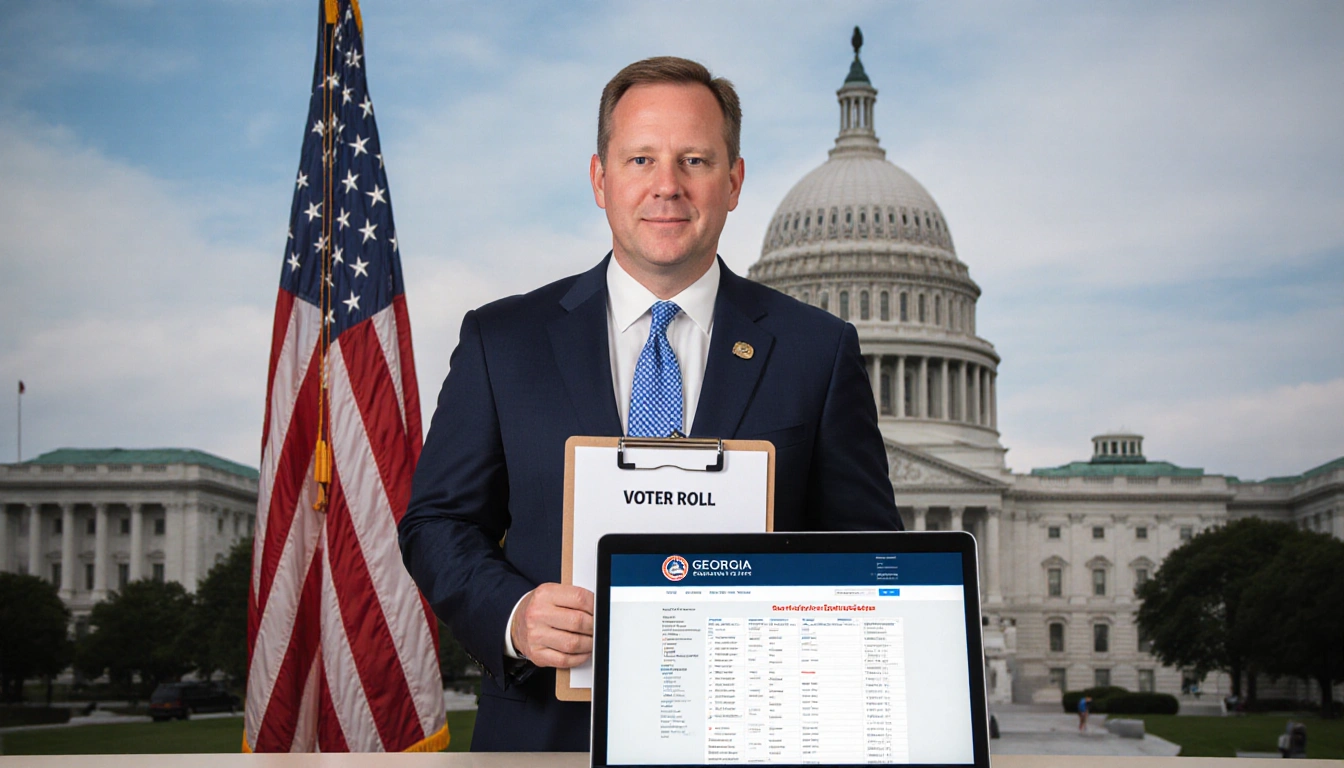
The Trump administration has characterized the lawsuits as part of an effort to ensure the security of elections, and the Justice Department says the states are violating federal law by refusing to provide the voter lists and information about ineligible voters.
Concerns Over Privacy
The lawsuits have raised concerns among some Democratic officials and others who question exactly how the data will be used, and whether the department will follow privacy laws to protect the information. Some of the data sought includes names, dates of birth, residential addresses, driver’s license numbers and partial Social Security numbers.
Assistant Attorney General Statement
Assistant Attorney General Harmeet K. Dhillon said, “The law is clear: states need to give us this information, so we can do our duty to protect American citizens from vote dilution. Today’s filings show that regardless of which party is in charge of a particular state, the Department of Justice will firmly stand on the side of election integrity and transparency.”
Closing
Associated Press writers Kate Brumback in Atlanta and John O’Connor in Springfield, Illinois, contributed to this report.