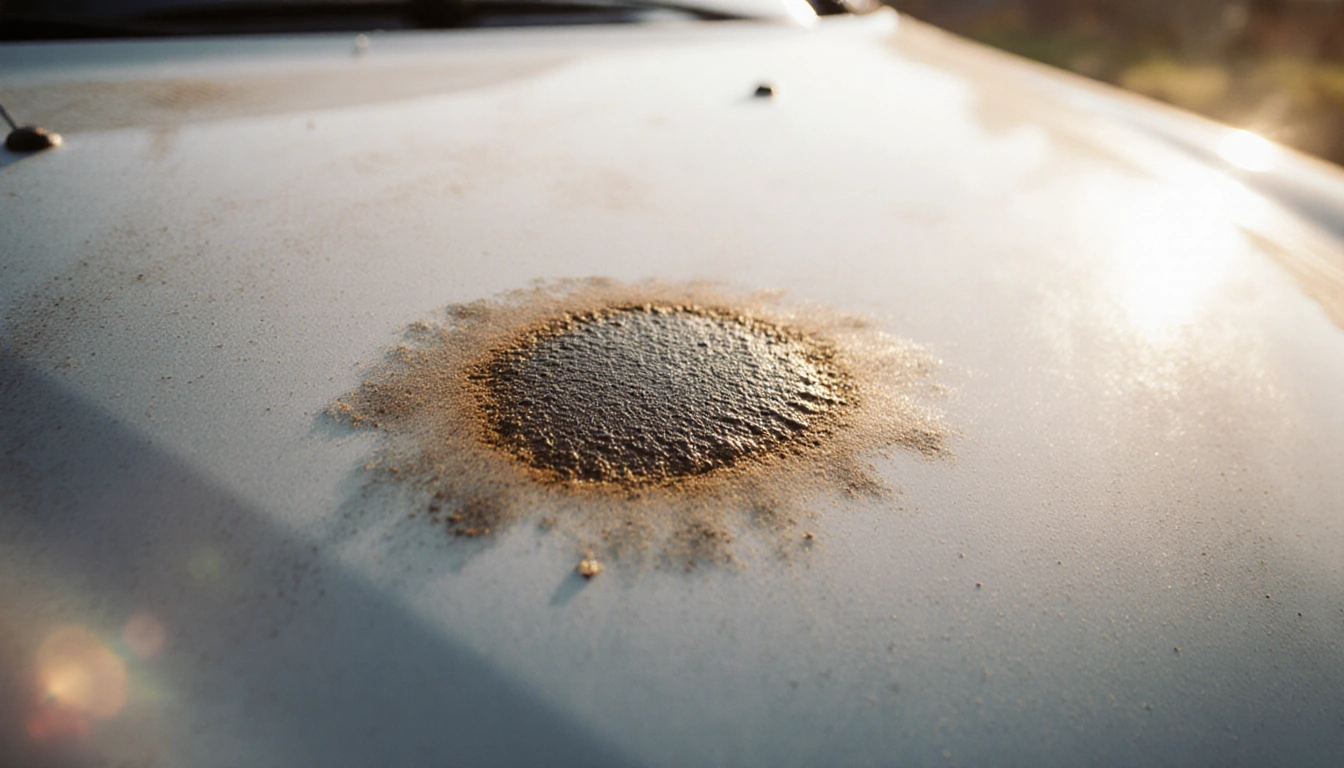
Tree sap can be a stubborn, sticky problem for car owners. If left untreated, it hardens, attracts dirt, and can damage paint, leaving dull, worn‑out stains.
What You’ll Need
- Microfiber cloths – Soft and non‑abrasive for wiping without scratching.
- Isopropyl alcohol (rubbing alcohol) or bug and tar remover – Breaks down hardened sap.
- Warm, soapy water (car wash soap) – Preps the area and cleans up afterward.
- Car wax or sealant – Restores shine and protects the clear coat.
- Plastic razor blade – Scrapes off sap spots carefully.
Step‑by‑Step Guide to Removing Tree Sap
1. Act Fast
Fresh sap is softer and easier to wipe away than hardened sap that has baked onto the surface.
2. Wash the Area First
Use warm water and car wash soap with a wash mitt or soft cloth to gently scrub the spot. This removes dirt and grime, making sap removal easier.
3. Apply a Cleaning Solution
Dampen a microfiber cloth or cotton ball with isopropyl alcohol, tar remover, or hand sanitizer. Press onto the sap for about 30 seconds to break down the sticky substance. For tougher spots, acetone, nail polish remover, Chemical Guys Tar and Sap Remover, Goo Gone Automotive, or mineral spirits can also help dissolve residue.
4. Wipe in a Circular Motion
With a clean cloth or microfiber towel, gently wipe the sap in a circular motion. Repeat until the finish is clear.
5. Remove Stubborn Residue with a Plastic Razor Blade
If sap has hardened, use a plastic razor blade at a shallow angle to scrape it off. Avoid metal tools that can scratch the clear coat.
6. Wash and Wax for Added Protection
After sap removal, wash the area again with warm water and soap. Dry with a microfiber towel, then apply wax or sealant to restore shine and create a protective barrier against future contaminants.
What About a Professional Car Wash?
A hands‑off option is a professional car wash. Many detailing services use specialized products, including clay bars, to safely remove sap stains without harming paint. Regular detailing also keeps a vehicle looking great and helps prevent stubborn buildup.
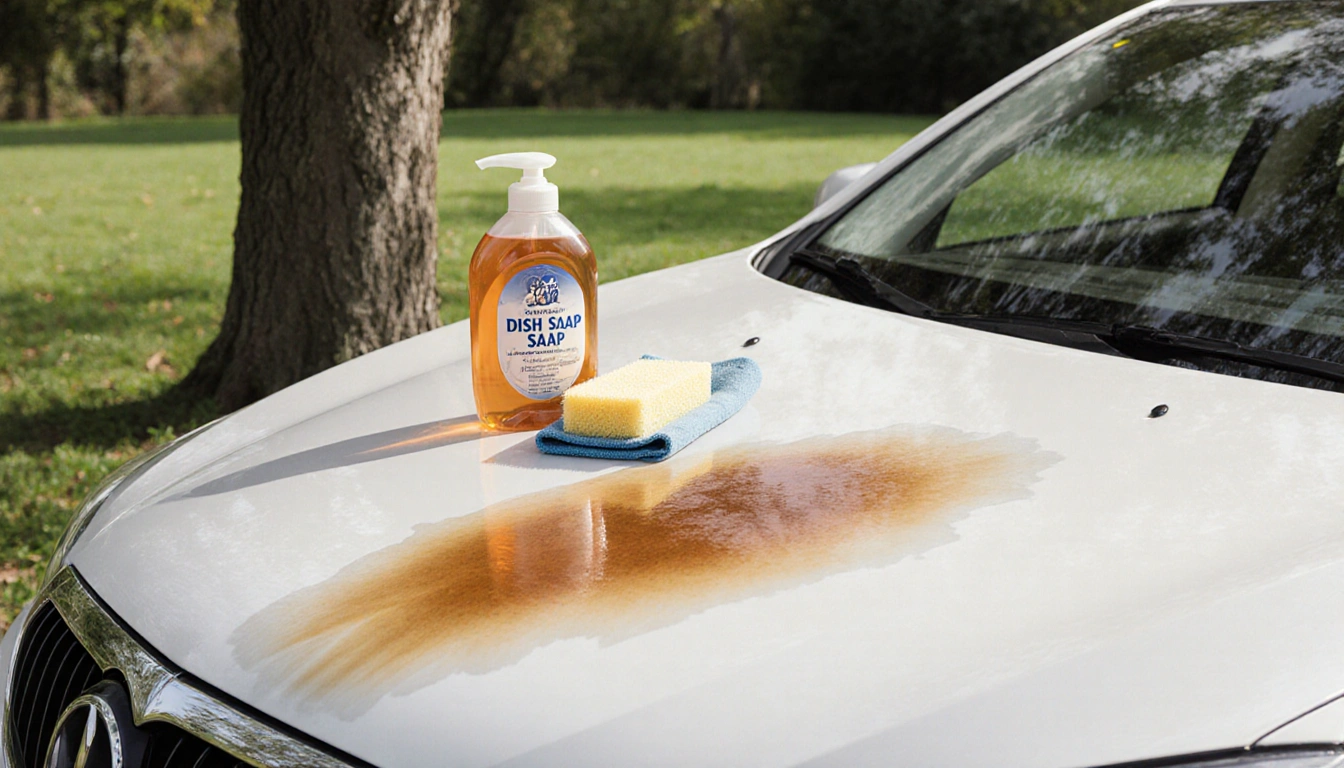
Preventing Tree Sap Buildup
- Park strategically – Avoid parking under trees, especially pine trees that produce a lot of sap.
- Use a car cover – If you must park under trees, a cover offers extra protection.
- Regular waxing – A good layer of turtle wax or another sealant makes it easier to remove sap, tar, and other contaminants.
Key Takeaways
- Tree sap hardens and can damage paint if left untreated.
- Use microfiber cloths, isopropyl alcohol or tar remover, warm soapy water, wax, and a plastic razor blade for safe removal.
- Professional detailing and preventive measures like parking away from trees and waxing can reduce sap issues.
Tree sap removal doesn’t have to be a hassle. With the right products and a little elbow grease, you can keep your car looking spotless and protect its finish from damage.