
At a Glance
- Kevin Roose notes a growing gap between Silicon Valley insiders and the rest of the tech world.
- He describes residents using multi-agent AI systems to manage daily life and make decisions.
- The divide reflects broader concerns about AI’s rapid adoption and the readiness of non-experts.
- Why it matters: It shows how quickly AI tools are reshaping work and personal habits, creating a new class of users.
Kevin Roose, a New York Times tech columnist and co-host of the Hard Fork podcast, shared his observations on X on January 25, 2026. He said he has never seen such a yawning gap between Silicon Valley insiders and outsiders, noting that people around him are “putting multi-agent claudeswarms in charge of their lives, consulting chatbots before every decision.”
The AI Adoption Landscape
Roose’s comments reflect a broader trend of AI integration into everyday life. The term claudeswarms refers to virtual coder hives that handle complex coding tasks. In the past few years, tools like GitHub Copilot and ChatGPT have enabled developers to write code that runs correctly on the first try. Since around 2021, AI’s coding capabilities have steadily improved.
- 2021: AI coding tools begin to gain mainstream attention.
- 2026: AI systems are used for personal decision-making and life management.
- 2026: Roose highlights the growing disparity between insiders and outsiders.
The rapid advancement has sparked discussions about the readiness of social, political, and technological systems to manage this power. Dario Amodei, CEO of Anthropic, published a 38-page blog post earlier that day warning that humanity is about to be handed almost unimaginable power.
Roose’s Personal Experimentation
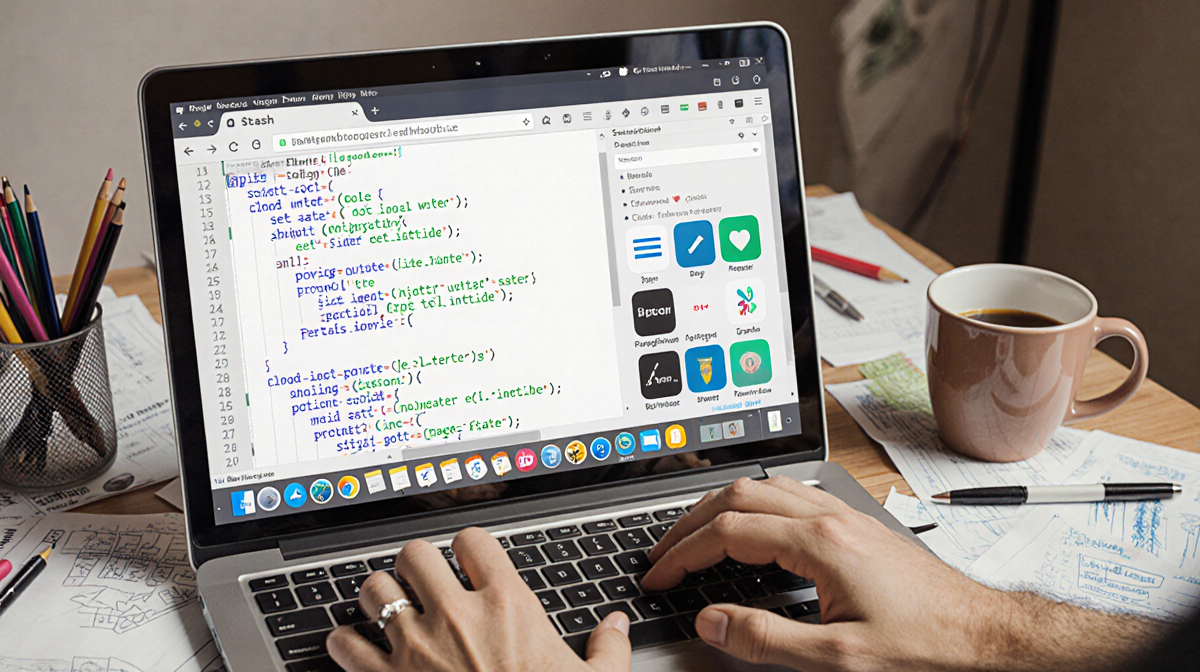
While not a software engineer by trade, Roose has used Claude Code to create a read-later app called Stash. He describes it as similar to Pocket or Instapaper, but notes that he built it in about two hours. In a Hard Fork episode, he explained that Stash allows users to “own” the app and make changes as they see fit.
Listeners of Hard Fork have shared their own vibecoding stories-using AI to rapidly prototype software. One user built a wallpaper calculator, another created a gamification system for household chores. These projects demonstrate the creative potential of AI for non-engineers.
The Divide and Its Implications
Roose’s observations raise questions about how AI tools are distributed. He suggests that restrictive IT policies may prevent knowledge workers outside of San Francisco from fully benefiting from AI. The result is a generation of workers who may never catch up.
A tweet from Alex Graveley on the same day echoed the sentiment, stating that the next six months will be “really weird” as AI becomes more pervasive.
The contrast between Bay Area users who “wirehead” to chatbots and others who are skeptical or unaware highlights a cultural divide. Some Bay Area residents even report new habits, such as injecting peptide solutions bought online.
Key Takeaways
- AI tools are moving from niche developer tools to everyday life management.
- The rapid adoption creates a gap between tech insiders and the general workforce.
- Policies and access to AI tools can either bridge or widen this divide.
- Personal experimentation shows that even non-engineers can create functional software with AI assistance.
The conversation around AI’s role in society is far from settled. As more people experiment with AI, the line between expertise and casual use will continue to blur.
Final Thoughts
Roose’s commentary underscores the urgency of understanding who has access to AI and how that shapes the future of work and daily living. While the excitement around AI is palpable, it also brings challenges that need careful consideration.
Why it matters: Understanding this divide is essential for policymakers, educators, and businesses aiming to ensure equitable access to the benefits of AI.
—
Categories: Tech News, Breaking News