At a Glance
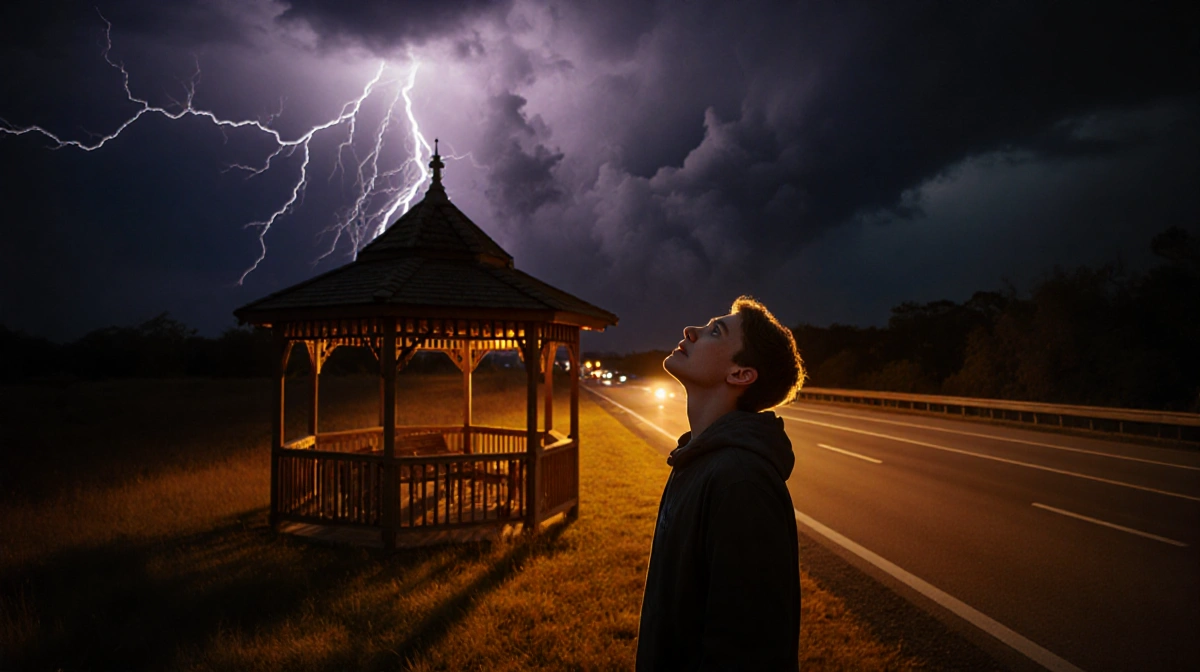
- Lightning has killed over 500 Americans since 2006.
- Florida tops the list with 97 deaths; Texas follows with 42.
- More than 160 fatalities occurred in July, the peak month.
- Why it matters: Knowing when and where strikes are most common can help people stay safe during storms.
Lightning strikes continue to claim lives across the United States, with more than 500 deaths recorded since 2006. The data, compiled by the National Lightning Safety Council, shows stark regional differences and seasonal patterns. Below, we break down the numbers and highlight key trends.
Top States by Lightning Deaths
Florida leads the nation with 97 deaths, followed by Texas with 42, Colorado with 27, and Alabama and North Carolina each with 23.
| State | Deaths | Rank |
|---|---|---|
| Florida | 97 | 1 |
| Texas | 42 | 2 |
| Colorado | 27 | 3 |
| Alabama | 23 | 4 |
| North Carolina | 23 | 5 |
Only five states-Alaska, Delaware, Hawaii, New Hampshire, and Washington-have recorded no lightning deaths since 2006.
Demographic and Activity Patterns
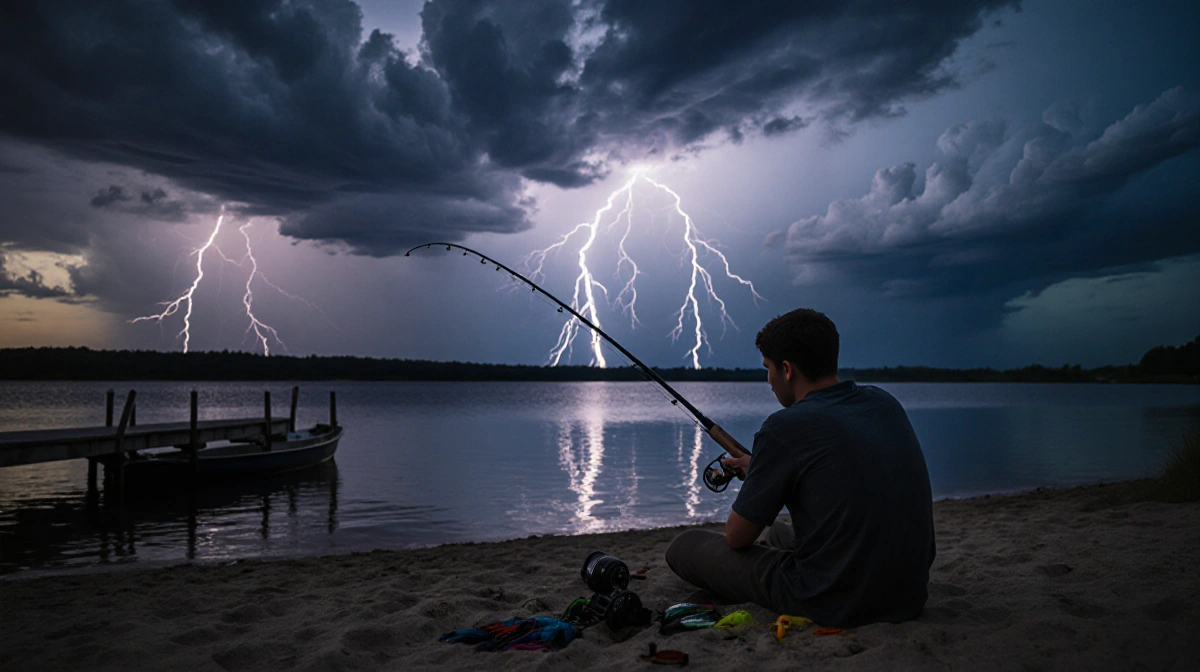
Men account for 80% of all lightning deaths, and activities such as fishing, beaching, boating, and camping are the leading causes of fatal strikes. Age distribution shows 21% of victims were in their 20s and 18% were in their 30s, with 13 children under 10 killed since 2006.
- Fishing
- Beaching
- Boating
- Camping
Seasonal and Weekly Trends
Fatal strikes peak in summer, with more than 160 deaths in July, over 110 in June, and 92 in August. November is the only month without a recorded death. Weekly patterns show a slight skew toward the end of the week, especially Saturday, which has seen over 85 fatalities.
Odds of being struck in a given year are 1 in 1,509,000, and in a lifetime 1 in 18,864.
Key Takeaways
- Lightning has claimed over 500 lives in the U.S. since 2006.
- Florida and Texas are the top states for lightning fatalities.
- Summer months, especially July, carry the highest risk of fatal strikes.
These statistics underscore the importance of lightning safety, especially during the high-risk summer months.