
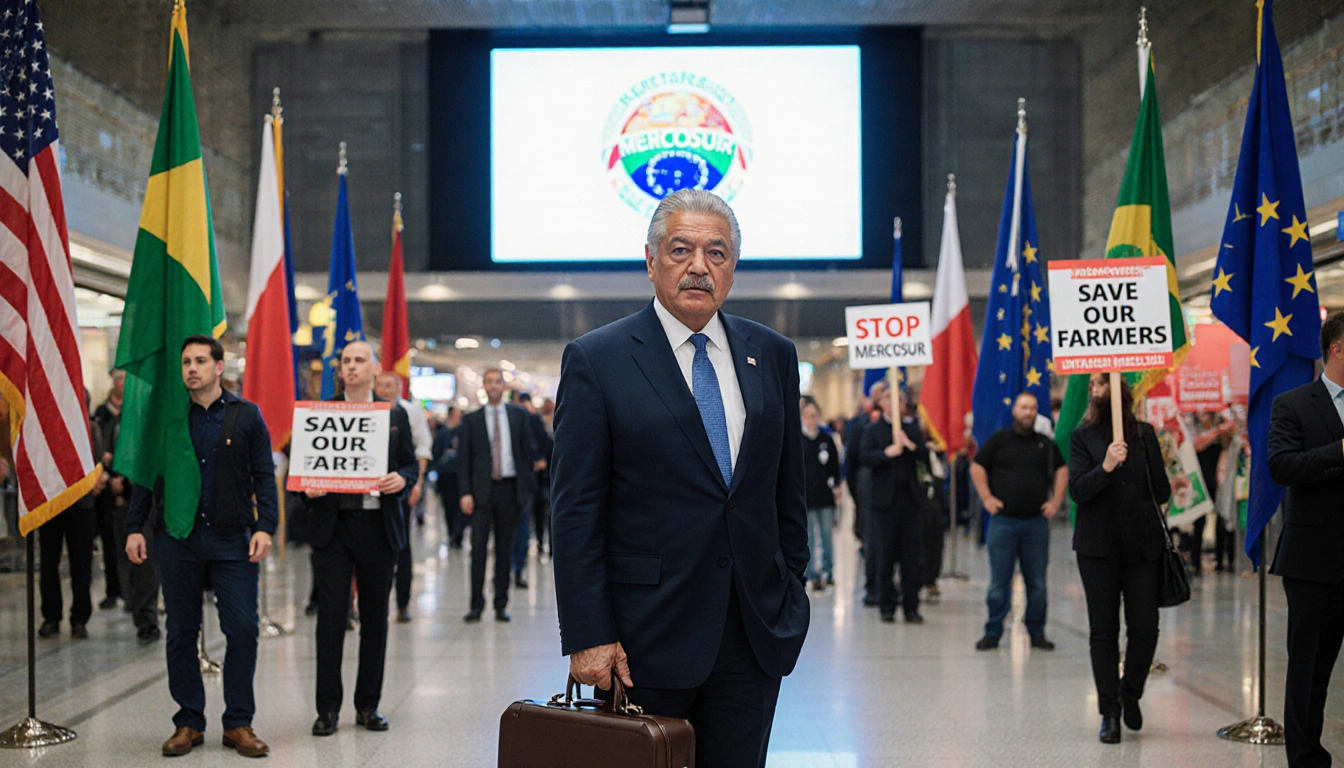
A Brazilian president has set a January deadline for the historic free-trade agreement between the South American bloc Mercosur and the European Union, even as farmers in Europe protest and France and Italy threaten to block the pact.
The Deal on the Horizon
Brazil’s President Luiz Inácio Lula da Silva announced on Saturday that he hopes the EU-Mercosur agreement will be signed in January. The deal, which has been negotiated for more than 26 years, would open a market of 780 million people and represent a quarter of the world’s gross domestic product. Once in force, it would gradually eliminate duties on almost all goods traded between the two blocs.
European Negotiations Stall
Top EU officials had aimed to sign the agreement in Brazil this weekend. Instead, European Commission President Ursula von der Leyen said Friday after a tense summit that the signature would be delayed “a few extra weeks to address some issues with member states.” Von der Leyen must secure backing from at least two-thirds of EU nations to finalize the deal. Italy’s opposition, led by Premier Giorgia Meloni, would give France enough votes to veto the signature.
Lula’s Message to Mercosur
During a summit in the Brazilian city of Foz do Iguaçu-situated on the three-way border with Argentina and Paraguay-Lula told other South American leaders that the meeting was taking place because European negotiators had earlier signaled they would eventually sign the deal, but that did not happen. He added that the delay was due to Meloni requesting more time.
Lula said, “Without political will and courage from leaders, it won’t be possible to finish a negotiation that has dragged for 26 years.” He added that he had spoken to Meloni on the phone on Friday and received a letter from EU leadership aiming for a deal in January. He also noted, “Meanwhile, Mercosur will continue to work with other partners.”
France’s Opposition
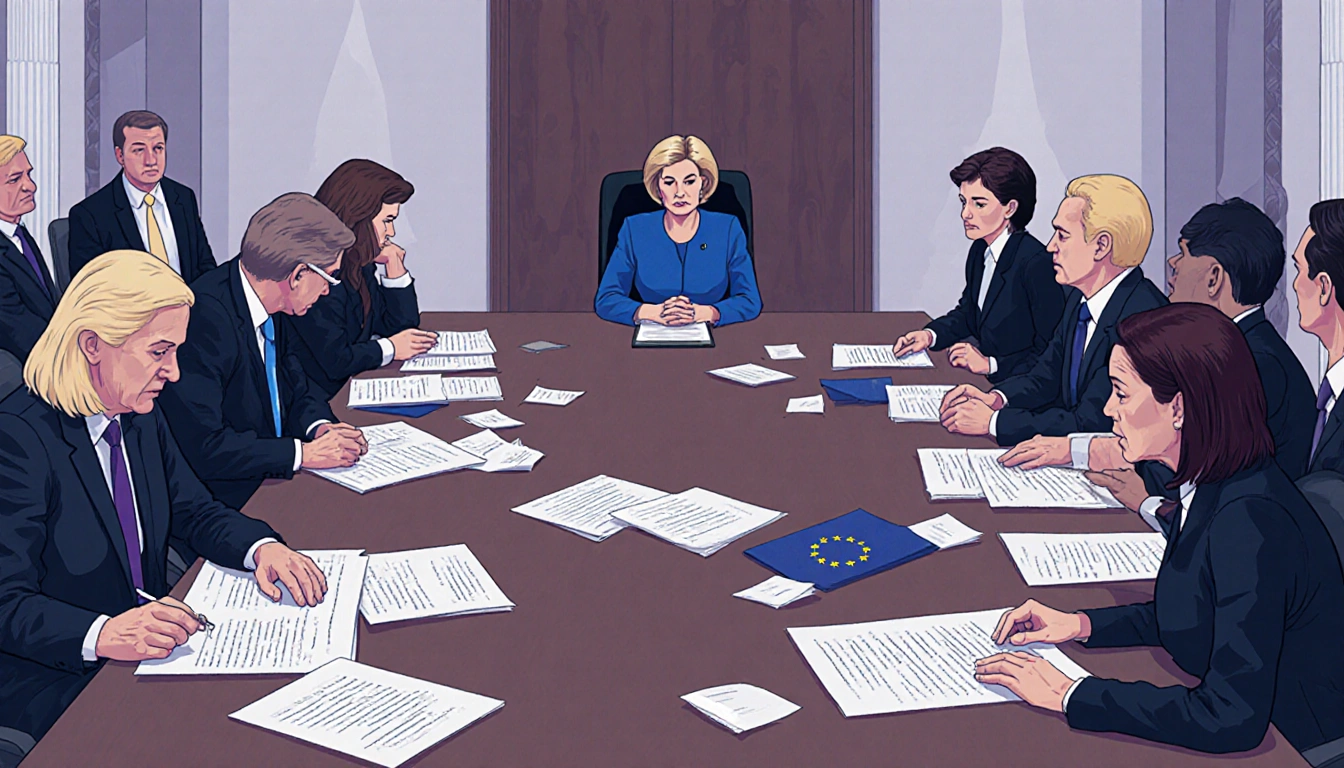
France has led the opposition to the EU-Mercosur pact. French President Emmanuel Macron said on Thursday at an EU summit that he wouldn’t commit to supporting the deal next month either. Macron added he has been in discussions with Italian, Polish, Belgian, Austrian and Irish colleagues among others about delaying it to address farmers’ concerns.
Lula argued that Macron alone can’t block an agreement. “Let’s hope that things happen for the good of our Mercosur, multilateralism and the development of our countries,” he said.
Market Impact and Future Plans
If signed, the trade deal would progressively remove duties on almost all goods traded between the two blocs. The agreement would cover a market of 780 million people and a quarter of the globe’s gross domestic product.
Lula also stated that many countries want to make deals with Mercosur. He added, “The world is eager to make deals with Mercosur. Many countries want that. And we certainly we will be able to finish the deals that were not finished during my presidency (of the bloc, due in the end of December).”
Key Takeaways
- Brazil’s President Lula aims for a January signing of the EU-Mercosur free-trade deal.
- European farmer protests and opposition from France and Italy threaten to delay the agreement.
- The deal would open a market of 780 million people and gradually eliminate duties on most goods.
The outcome of the upcoming EU summit will determine whether the long-awaited pact moves forward or remains stalled amid political opposition.