

A 20,000‑yuan subsidy for electric cars has made Chinese consumers ditch foreign luxury brands for cheaper domestic models, sending European makers like Porsche, Mercedes‑Benz and BMW into a slump.
The Shift in Chinese Luxury Demand
China’s property slump has left many buyers reluctant to make big purchases, and the wealthy are increasingly wary of flaunting their wealth publicly, said Paul Gong, UBS head of China Automotive Industry Research. The government’s 20,000‑yuan trade‑in subsidy for electric and plug‑in hybrid vehicles has nudged buyers toward entry‑level cars where the discount is most impactful. Most of those cars are Chinese‑made.
Numbers That Tell the Story
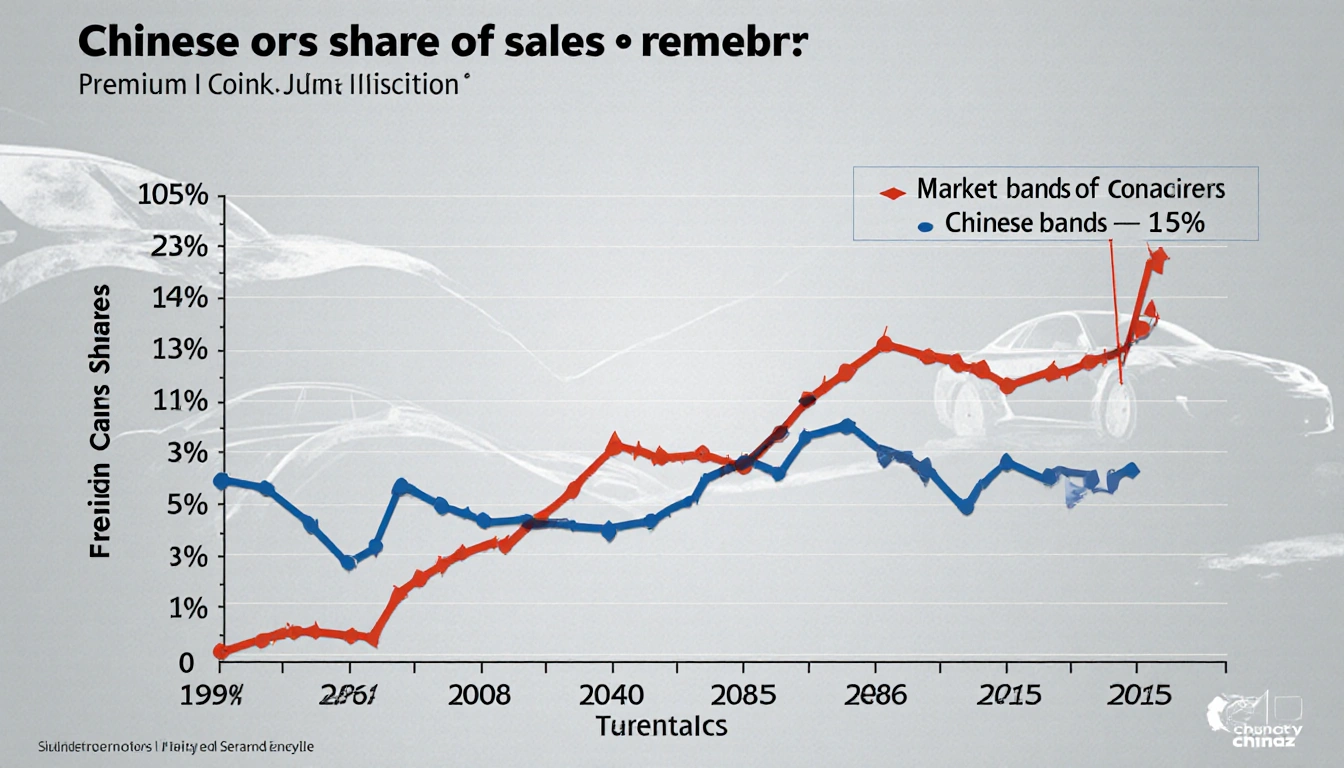
Premium car sales—those priced above 300,000 yuan ($42,400)—once accounted for about 15% of total sales, a figure that had more than doubled between 2017 and 2023, according to S&P Global Ratings. The share fell to 14% in 2024 and to 13% in the first nine months of 2025. The decline is mirrored in sales data from the China Association of Automobile Manufacturers: Chinese brands captured almost 70% of passenger‑car sales in the first 11 months of this year, while German, Japanese and U.S. brands held 12%, 10% and 6% respectively.
BYD and the Competitive Edge
Electric‑vehicle maker BYD has become a formidable competitor. It has overtaken Volkswagen as China’s biggest car seller in recent years and is the best‑selling brand for new‑energy vehicles this year. BYD has cut prices on its electric and plug‑in hybrid models by up to 34%, squeezing rivals such as Geely and Leapmotor. The company’s aggressive pricing strategy is part of a broader trend where Chinese automakers launch new electric and hybrid models at lower prices, even in the premium segment.
European Brands Feel the Pressure
Mercedes‑Benz’s unit sales fell 27% from a year earlier in the July‑September quarter, while BMW and its subsidiary‑brand Mini saw an 11.2% decline in the first nine months of 2025. Porsche and Aston Martin also reported weaker demand in China. Ferrari’s shipments to mainland China, Hong Kong and Taiwan dropped 13% year‑on‑year in January‑September, the only region where its sales fell during that period.
Ola Källenius, CEO of Mercedes‑Benz, told investors in late October that “hyper‑competition in China is not going away anytime soon.” The company described the market situation in the premium and luxury segment as “tense.”
Used‑Car Market Reflects the Downturn
At a Beijing Porsche centre, salesperson Li Yi said a 2024 Panamera 2.9T with about 20,000 kilometres on the odometer was priced at 950,000 yuan ($134,300), down from the 1.4 million yuan ($198,454) the previous owner paid. Li attributed the price drop to the sluggish economic situation, adding that “not only Porsche, but Benz, BMW, Bentley and Rolls‑Royce all face the same situation.” Porsche and Bentley are part of the Volkswagen group.
Other used‑car dealers echoed this grim picture, noting premium cars are now selling at significantly lower prices over the past year. In November, China’s monthly auto production surpassed a record 3.5 million units for the first time, yet domestic sales fell 4% year‑on‑year as some trade‑in subsidies were halted in certain regions.
A used‑car salesperson, who identified herself only as Hao, joked, “Who still has money these days? People’s pockets are cleaner than their faces.” She added that prices have been sliding for two years and that she now offers bigger discounts, concluding, “Now they think hard before they spend.”
Key Takeaways
- Chinese consumers are buying cheaper domestic cars, aided by a 20,000‑yuan subsidy for electric vehicles.
- Premium car sales fell from 15% of total sales in 2023 to 13% in the first nine months of 2025.
- BYD’s aggressive price cuts have pushed it ahead of Volkswagen as China’s top car seller.
The downturn in luxury demand is reshaping China’s automotive landscape, forcing foreign brands to rethink their strategy in the world’s largest auto market.