

At a Glance
- Nicolás Maduro and his wife, Cilia Flores, face narco-terrorism and cocaine importation conspiracy charges.
- The indictment claims 200-250 tons of cocaine were trafficked through Venezuela each year by 2020.
- Trump’s planned military action parallels his pardon of Honduras’s former president, who faced similar drug-related charges.
- Why it matters: The case could hand Maduro a life sentence and reshape U.S. policy toward Venezuela.
Nudging the U.S. toward a full-scale operation, the Southern District of New York unsealed a four-count indictment Saturday that adds Maduro’s wife to the list of defendants. The charges carry maximum penalties of life in prison and minimums ranging from 10 to 30 years.
Indictment Details
The indictment lists four main counts: narco-terrorism conspiracy, cocaine importation conspiracy, possession of machineguns and destructive devices, and conspiracy to possess those weapons. Prosecutors argue that for more than 25 years Venezuelan leaders abused public office to import tons of cocaine into the United States.
- Maduro and Flores are charged alongside Interior Minister Diosdado Cabello, former Interior Minister Ramón Rodríguez Chacín, gang leader Hector Rusthenford Guerrero Flores, and Maduro’s son Nicolás Maduro Guerra.
- The “corrupt, illegitimate government” allegedly promoted drug trafficking to enrich the political and military elite, concentrating power and wealth in the Maduro family.
| Charge | Max sentence | Minimum sentence |
|---|---|---|
| Narco-terrorism conspiracy | Life | 20 years |
| Cocaine importation conspiracy | Life | 10 years |
| Possession of machineguns & destructive devices | Life | 30 years |
| Conspiracy to possess machineguns & destructive devices | Life | 30 years |
New Allegations Against Maduro and Flores
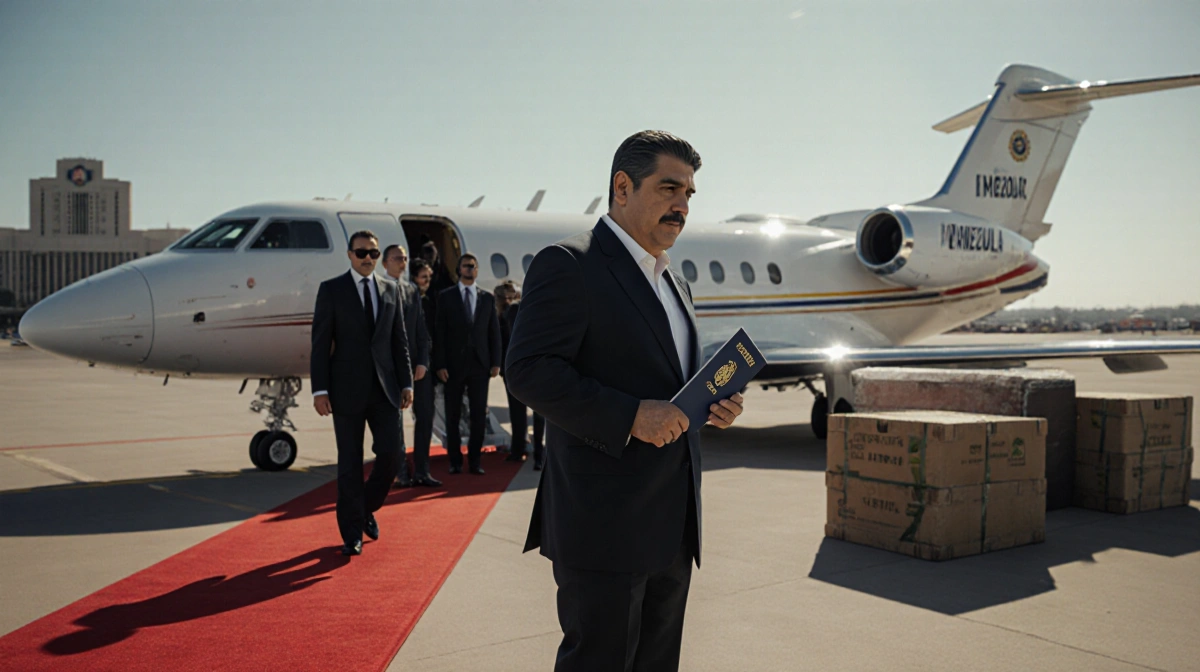
Prosecutors claim that while serving as foreign affairs minister (2006-2008), Maduro issued diplomatic passports to known traffickers and arranged diplomatic cover for planes carrying drug proceeds. He allegedly called the Venezuelan embassy in Mexico to notify officials of a private plane’s arrival, which was then loaded with proceeds.
Flores is accused of operating state-sponsored “colectivos” that protected the trafficking operation, accepting bribes to broker meetings between traffickers and the director of Venezuela’s anti-drug office, Reverol Torres. Between 2004 and 2015, the couple allegedly ordered kidnappings, beatings, and murders of those who owed them money, including the murder of a local drug boss in Caracas.
Ties to Terror and Drug Groups
The indictment names several groups-FARC, ELN, Tren de Aragua, Cartel de los Soles, Sinaloa, and Zetas-but offers limited detail. The most substantial claims involve FARC, where Maduro met leaders in 2018-2019 and held a press conference welcoming expelled members. He also allegedly used his son’s connections to arrange drug and gun trafficking through Colombia.
| Group | Alleged Connection |
|---|---|
| FARC | Meetings with Maduro, press conference |
| ELN | Support relayed by Rodríguez Chacín, use of airstrips |
| Tren de Aragua | Led by Guerrero Flores, linked to Maduro |
| Sinaloa | Supplying drugs into Venezuela with a Maduro ally |
| Zetas | Protection by unnamed military officials |
Legal and Political Fallout
The case raises questions about President Trump’s authority to remove Maduro. Rep. Jim Himes said no evidence justified military action without congressional approval, while Secretary of State Marco Rubio described the mission as a law-enforcement operation.
Rep. Jim Himes said:
> “Maduro is an illegitimate ruler, but I have seen no evidence that his presidency poses a threat that would justify military action without congressional authorization, nor have I heard a strategy for the day after and how we will prevent Venezuela from descending into chaos,”
Secretary of State Marco Rubio said:
> “He repeatedly denied to Congress the administration intended to force regime change in Venezuela.”
Senator Chuck Schumer plans to vote on a war-powers resolution next week. Trump has expressed doubt about continued military action but said U.S. leaders would oversee the situation.
The indictment also echoes the charges that led to former Honduran President Juan Orlando Hernández’s 45-year sentence. Trump pardoned Hernández in November, citing unfair treatment.
Democratic lawmakers, including Nancy Pelosi and Mark Warner, criticized the pardon as hypocritical. Trump defended his decision, saying Hernández was treated like the Biden administration treated a man named Trump.
Nancy Pelosi said:
> “The pardon makes Trump’s reasoning ‘entirely hypocritical,’ claiming the president wishes to ‘effectively abolish the Congress’ and the strike is another example of that pattern.”
Mark Warner said:
> “You cannot credibly argue that drug trafficking charges demand invasion in one case, while issuing a pardon in another.”
President Trump said:
> “He was treated like the Biden administration treated a man named Trump,”
> “That didn’t work out too well for them.”
Key Takeaways
- Maduro faces life-sentence charges for drug trafficking and narco-terrorism.
- The indictment links him to major terrorist and drug groups, though details are sparse.
- The case parallels Trump’s pardon of Hernández, sparking bipartisan criticism.
The indictment’s release marks a significant escalation in U.S. efforts to hold Venezuelan leadership accountable for drug crimes and potential terrorism.