At a Glance
- Man arrested Dec. 4 for placing two pipe bombs outside the Democratic and Republican national committees on Jan. 6.
- He claimed the devices were meant to “speak up” for those who believed the 2020 election was stolen.
- The bombs never detonated, but prosecutors say they posed a serious threat to the public.
- Why it matters: The case underscores the domestic terrorism risk linked to the January 6 riot and the legal response to those who plan violent actions against political institutions.
The investigation into Brian J. Cole Jr. began after his arrest on Dec. 4 at his Woodbridge, Virginia home. Law enforcement officials described the arrest as a major breakthrough in a nearly five-year-old probe. Prosecutors say the search uncovered shopping bags of bomb-making components, a shoebox, and other evidence linking him to the devices.
During the initial questioning, Cole denied any involvement in the pipe bombs. He claimed he had only attended a protest related to the 2020 election. The Justice Department memo notes that he later admitted he had driven to Washington specifically to place the explosives.
Evidence collected included:
- Bomb-making components found in bags at his residence
- A shoebox containing the explosives
- A Nissan Sentra with a shoebox in the back seat
- Timers set for 60 minutes on each device
Cole first told investigators he had gone to Washington to protest the election, saying:
Brian J. Cole Jr. stated:
> “I didn’t agree with what people were doing, like just telling half the country that they … that they just need to ignore it. I didn’t think that was a good idea, so I went to the protest.”
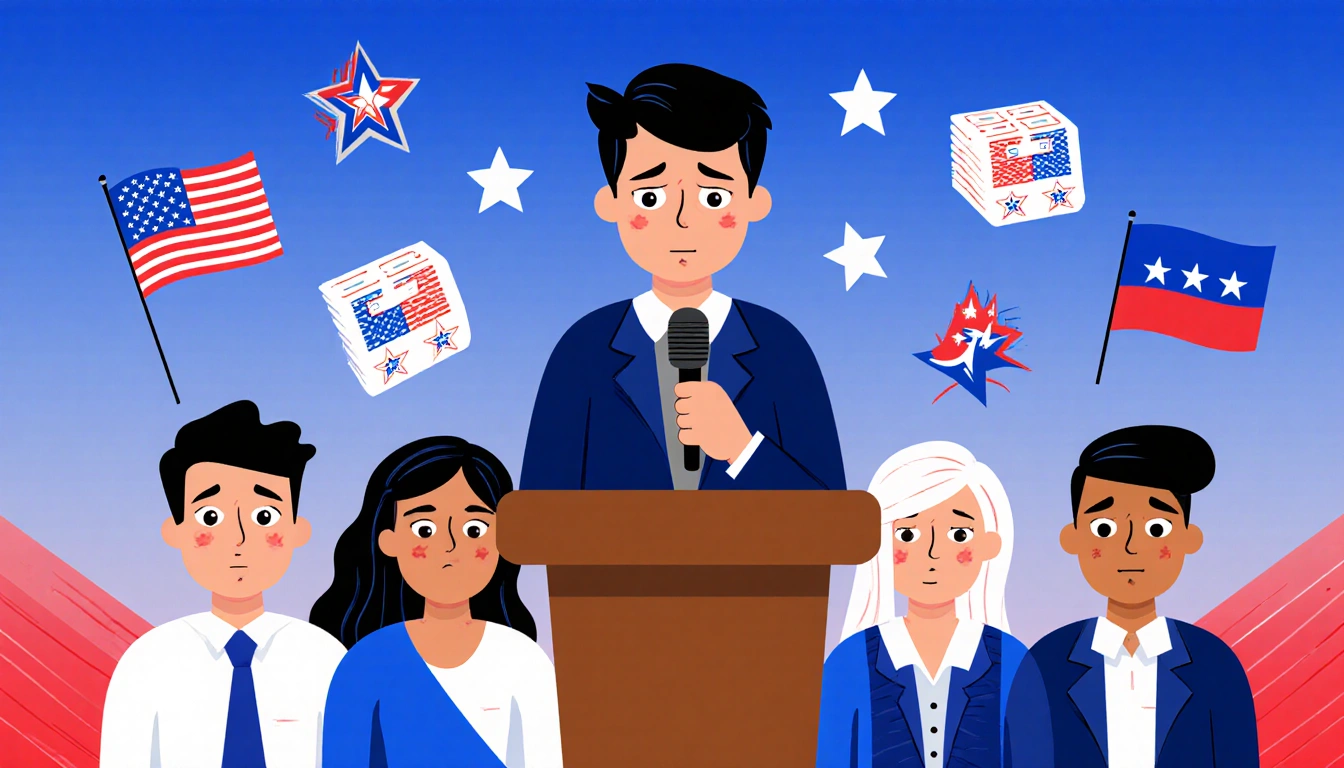
After hours of questioning, he acknowledged that the protest was a cover for his real purpose. He described feeling disillusioned by the 2020 election and fed up with both parties. He said he wanted to target the parties because they were in charge.
Brian J. Cole Jr. said:
> “If people feel that voting is being tampered with, someone needs to speak up. Someone up top.”
He also added:
Brian J. Cole Jr. said:
> “I really don’t like either party at this point.”
Cole explained that he stowed the explosives in a shoebox in the back seat of his Nissan Sentra. He placed one device outside the RNC headquarters and another outside the DNC headquarters, setting each timer for 60 minutes. Neither device detonated.
| Target | Location | Status | Timer |
|---|---|---|---|
| RNC | Washington, D.C. | Undetonated | 60 minutes |
| DNC | Washington, D.C. | Undetonated | 60 minutes |
Prosecutors argue that the failure to detonate was due to luck, not a lack of effort. They say the bombs posed a danger to pedestrians, office workers, law enforcement, first responders, and national political leaders, including the Vice President-elect and Speaker of the House.
Cole is scheduled to remain detained pending trial. His lawyers will present their position on detention at a hearing set for Tuesday in Washington’s federal court. He faces charges for placing pipe bombs and for threatening the safety of the nation’s political institutions.
Key Takeaways
- Brian J. Cole Jr. was arrested Dec. 4 for placing two pipe bombs outside the DNC and RNC.
- He claimed the devices were meant to “speak up” for those who believed the 2020 election was stolen.
- The bombs never detonated, but prosecutors say they posed a serious threat to the public.
The case highlights the ongoing threat of domestic terrorism linked to the January 6 riot and the legal response to those who plan violent actions against political institutions.