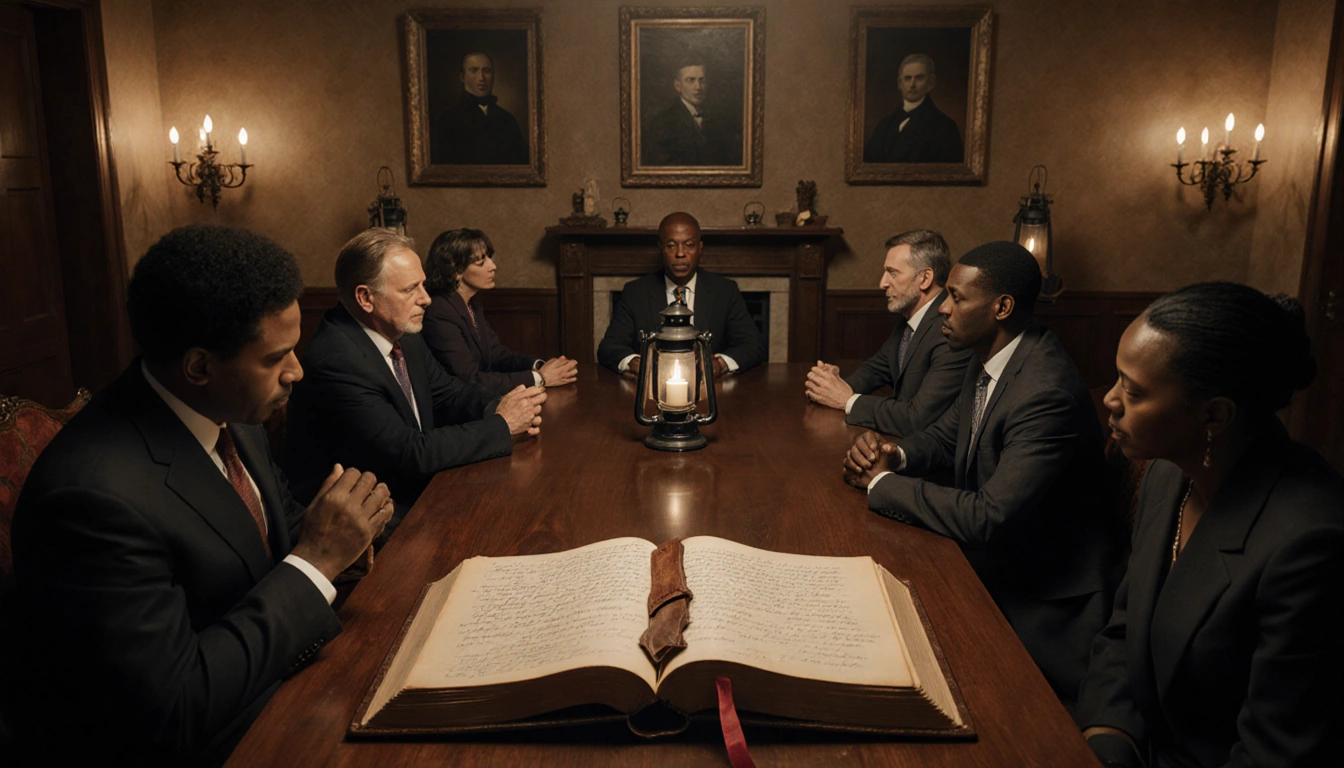
In a decisive move that could reshape Maryland’s approach to historical injustice, lawmakers on Tuesday overturned Gov. Wes Moore’s veto and established a commission to study reparations for slavery.
Moore had vetoed the bill in May, citing a belief that the state had already conducted sufficient study of slavery’s legacy and that it was time to focus on actionable work.
Despite the governor’s stance, the Democratic majority in both chambers deemed a formal commission necessary to examine how reparations could be implemented.
“This topic isn’t easy, but, again, without formal study, reparations risk being dismissed as symbolic or unconstitutional, regardless of moral merit,” said Sen. Charles Sydnor, a Democrat.
After the veto was overridden, Moore expressed disagreement with the legislature’s decision but emphasized a willingness to collaborate on the repair effort.
“I am eager to move forward in partnership on the work of repair that we all agree is an urgent and pressing need,” Moore said. “I believe the time for action is now – and we must continue moving forward with the work of repair immediately,” he added. “That mission is especially vital given the immediate and ongoing effects of this federal administration on our constituents, including communities that have been historically left behind.”
The bill’s potential reparations package includes official statements of apology, monetary compensation, property tax rebates, social service assistance, licensing and permit fee waivers and reimbursement, down-payment assistance for homes, business incentives, childcare support, debt forgiveness, and tuition payment waivers for higher education.
Maryland’s Black population is about 30 percent, the highest percentage of any state outside the Deep South.
Support for reparations gained momentum after the 2020 murder of George Floyd by a Minneapolis police officer, though the issue remains contentious, especially for high-profile Democrats amid a broader conservative backlash over race, history and inequality in public institutions.
“At a time of growing attacks on diversity and equity, today’s action reaffirms our shared commitment to truth-telling, accountability, and meaningful progress for Black Marylanders,” the state’s Legislative Black Caucus said in a statement.
California’s Gov. Gavin Newsom has taken a mixed approach: he signed a law allocating $6 million for California State University to study how to confirm a descendant’s status as a former enslaved person, but vetoed other bills championed by the California Legislative Black Caucus. Newsom, who is considering a 2028 presidential run, also signed a law last year formally apologizing for slavery and its lingering effects on Black Californians.
New York City lawmakers approved legislation last year to study the city’s role in slavery and to consider reparations for descendants. In 2021, Evanston, Illinois, became the first U.S. city to create a reparations plan for its Black residents, using tax revenue from recreational marijuana sales.
A 2021 Pew Research Center survey found that only about 3 in 10 U.S. adults believed descendants of enslaved people should receive reparations, while about 7 in 10 opposed the idea.
During the one-day special session, Maryland lawmakers did not address congressional redistricting. Moore has expressed interest in pursuing a new map, which could arise when lawmakers convene in January for the annual 90-day session, but Senate president has said he does not support moving forward with a new map. Democrats hold a 7-1 advantage over Republicans in the state’s eight congressional districts.
With the commission now in place, Maryland’s lawmakers will begin a comprehensive review of reparations options, a step that signals a broader willingness to confront the state’s historical legacy and to explore concrete measures that could benefit Black Marylanders.
Key Takeaways
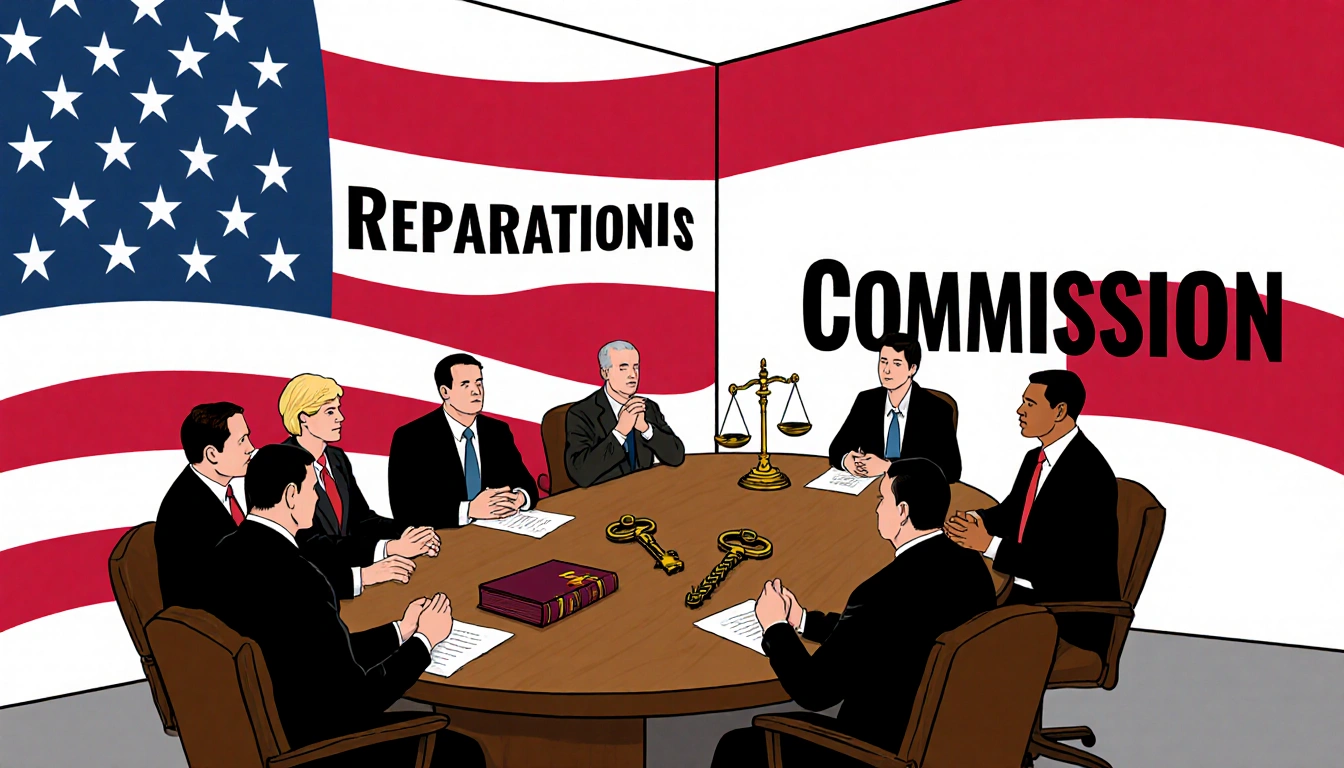
- Maryland lawmakers overturned Gov. Wes Moore’s veto to create a reparations commission.
- The proposed package includes apologies, compensation, tax rebates, and education waivers.
- The move follows growing support after George Floyd’s murder and aligns with actions in California, New York, and Evanston.
The commission’s findings will shape Maryland’s future reparations strategy and reflect the state’s commitment to addressing the lasting impact of slavery on Black communities.