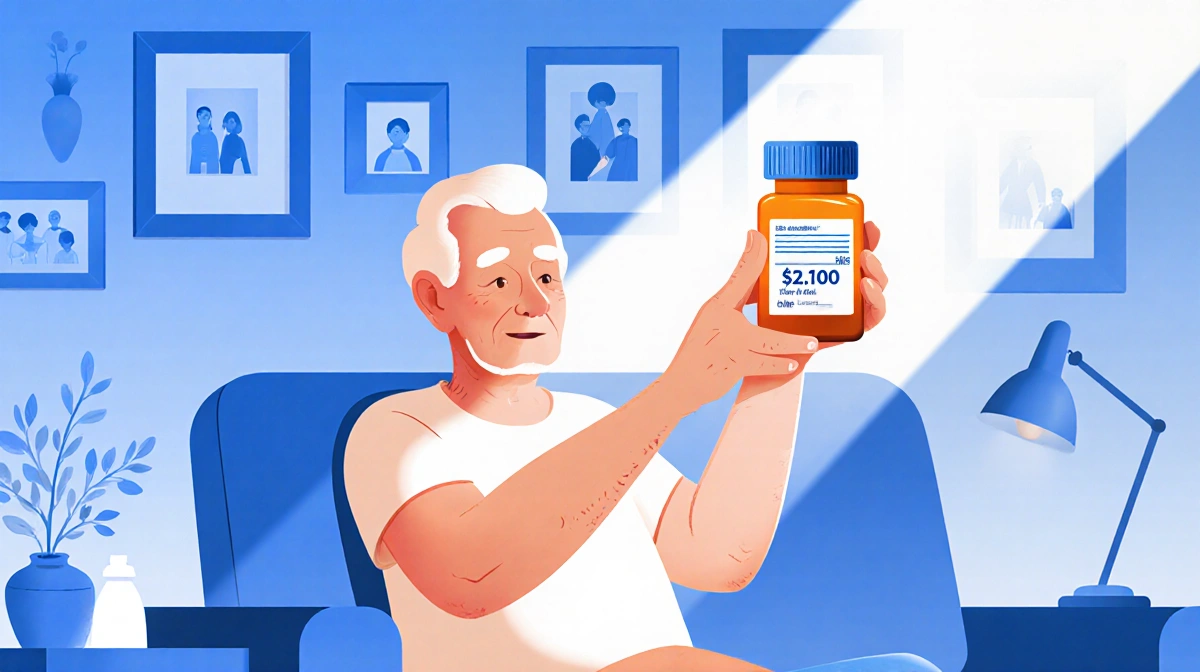
> At a Glance
> – 10 high-cost drugs will drop in price starting Jan. 1, 2026
> – Nearly 9 million seniors could save about $1.5 B annually
> – Out-of-pocket cap will be capped at $2,100 per year
> – Why it matters: Lower drug costs mean seniors can afford essential treatments
Medicare Part D beneficiaries will see a dramatic reduction in the price of 10 expensive prescription drugs starting on Jan. 1, 2026. The cuts, mandated by the Inflation Reduction Act, are expected to save seniors billions and cap out-of-pocket spending at $2,100 per year. Nearly 9 million people rely on these medications.
Discounted Drugs and Savings
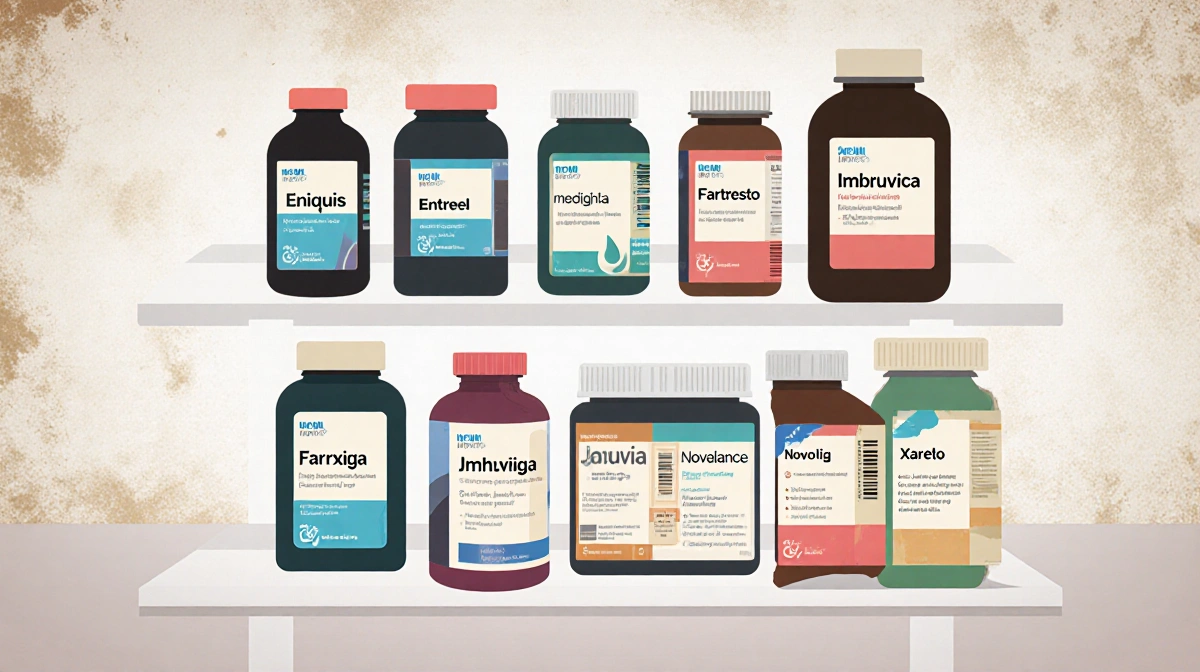
The 10 drugs that will benefit include Eliquis, Enbrel, Entresto, Farxiga, Imbruvica, Januvia, Jardiance, Novolog, Stelara, and Xarelto.
- Eliquis – blood clot prevention
- Enbrel – rheumatoid arthritis
- Entresto – heart failure
- Farxiga – diabetes
- Imbruvica – cancer
- Januvia – diabetes
- Jardiance – diabetes
- Novolog – diabetes
- Stelara – Crohn’s disease
- Xarelto – blood clot prevention
A recent AARP analysis projects that the savings could total $1.5 B annually, with seniors seeing their cost share drop by roughly 50%.
Impact on Seniors
These savings apply to Part D beneficiaries who take the listed medications. The new price reductions will also enforce a yearly cap of $2,100 on out-of-pocket prescription costs.
| Metric | Value |
|---|---|
| Beneficiaries | 9 million |
| Annual savings | $1.5 B |
| Avg cost share reduction | 50% |
| Out-of-pocket cap | $2,100 |
Future Negotiations and Online Savings
In 2027, fifteen additional drugs are slated for similar Medicare price cuts through ongoing negotiations. A new online website is expected in 2026 to let consumers purchase prescription drugs directly at cost savings, according to the White House.
Key Takeaways
- 10 high-cost drugs will see price cuts starting Jan. 1, 2026
- Nearly 9 million seniors could save about $1.5 B each year
- Out-of-pocket spending will be capped at $2,100 annually
These changes promise to ease the financial burden of essential medications for millions of seniors across the country.