At a Glance
- Melatonin is a widely used over-the-counter sleep aid.
- FDA treats supplements as a food subcategory, leading to limited regulation.
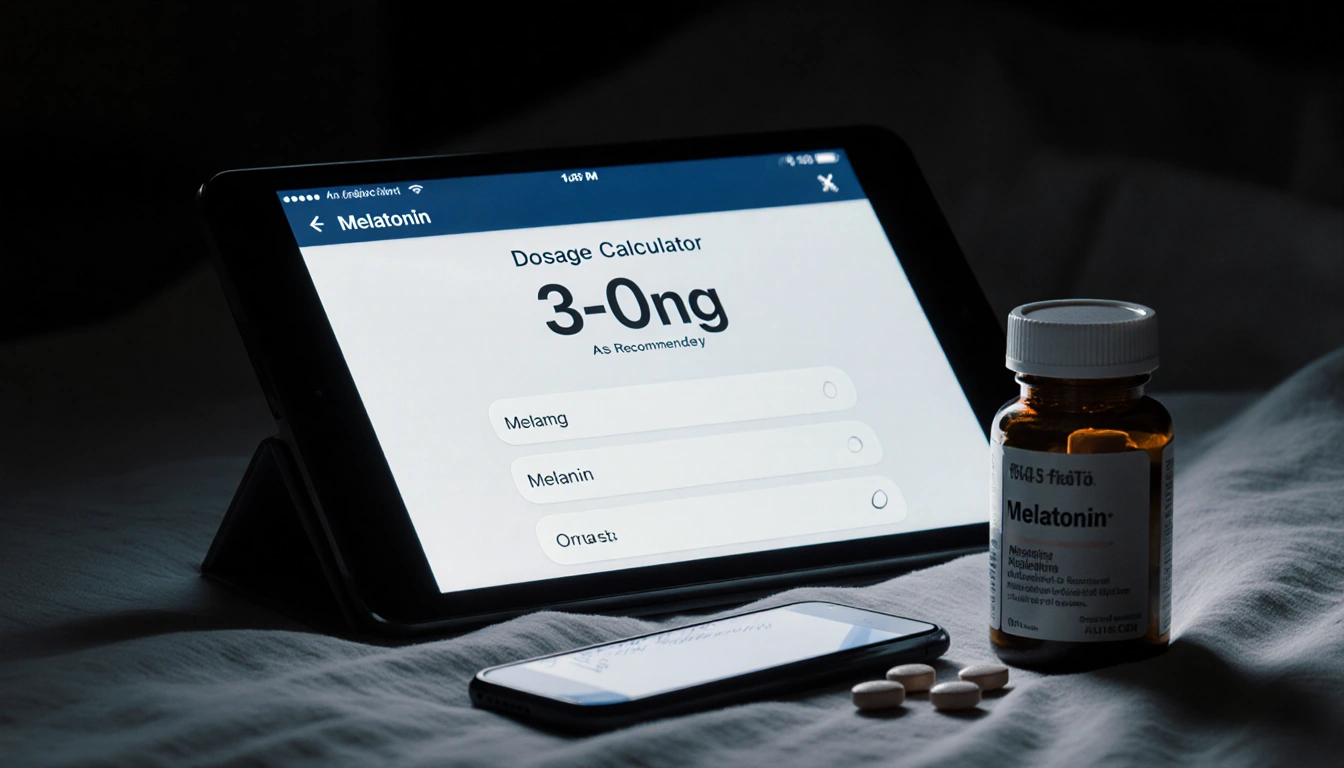
- Doctors recommend starting at 3 mg and never exceeding 10 mg.
- Why it matters: Readers may unknowingly expose themselves to safety risks and ineffective doses.
When you’re tired, the first thought is often a bottle of melatonin. Yet the supplement’s safety and effectiveness can vary wildly, and many people take it without professional guidance.
Why Melatonin Isn’t a Safe DIY Remedy
The hormone your brain naturally produces is meant to sync with your circadian rhythm. Taking a supplement is supposed to jump-start that cycle, but the results depend on proper dosing and product quality.
**David Kuhlmann explained:
> “Increased access and the fact that brands are not as tightly regulated in the market have led to dangerous outcomes. I’ve seen a rise in melatonin poisoning cases over the past decade, primarily in kids under the age of five.”
This lack of oversight means consumers can receive products that contain too much, too little, or harmful additives.
Regulatory Gaps and Safety Concerns
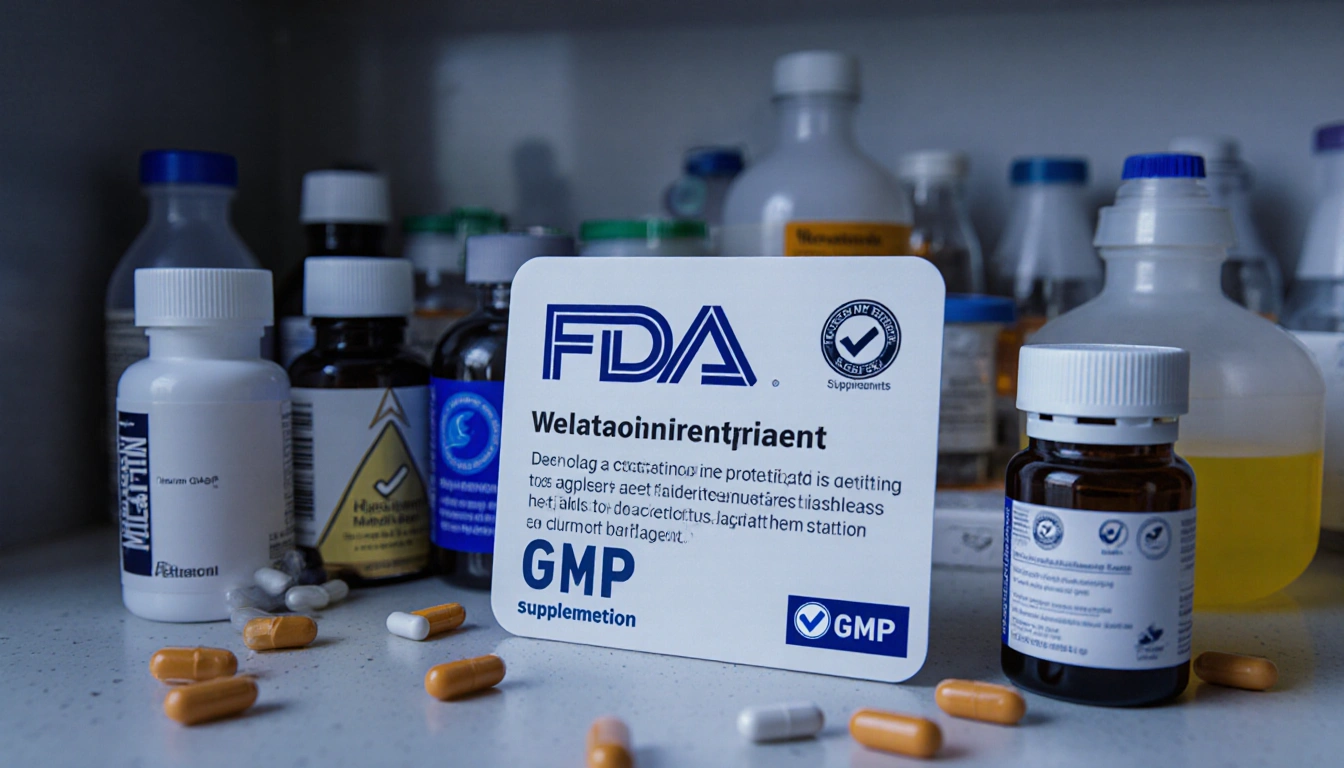
- FDA’s role: Supplements are evaluated as a subcategory of food, not medication.
- CGMP certification: Current Good Manufacturing Process standards are a baseline, but many products lack clear evidence.
- Additive risk: Extra ingredients may counteract melatonin’s effects or trigger adverse reactions.
These gaps have led to reports of melatonin poisoning and counterfeit products on the market.
What Doctors Recommend
David Kuhlmann advises:
> “I recommend my patients start at 3 mg and never exceed 10 mg. For children, always consult a pediatrician or sleep specialist.”
The timing of the dose is also crucial; taking melatonin at the same hour each night helps reinforce the body’s natural rhythm.
| Population | Starting Dose | Maximum Dose |
|---|---|---|
| Adults | 3 mg | 10 mg |
| Children | Consult pediatrician | Consult pediatrician |
Choosing a Product Wisely
- Look for CGMP certification on the label.
- Verify that the product lists its exact melatonin content.
- Beware of “secret sauce” claims or unverified additives.
- Consider reputable brands that provide third-party testing.
Even with the right product, melatonin may still fall short of addressing the root causes of sleep trouble.
Beyond Supplements: Sleep Hygiene
- Keep caffeine out after early afternoon.
- Put electronic devices away an hour before bed.
- Use white-noise machines or calming sounds to aid sleep.
- Evaluate mattress and bedding quality; sometimes a new sleep surface is the missing piece.
Key Takeaways
- Over-the-counter melatonin lacks strict FDA regulation, raising safety concerns.
- Doctors recommend starting at 3 mg and never exceeding 10 mg, with timing consistency.
- A well-chosen product, combined with good sleep habits, offers the best chance for lasting rest.
In the end, a doctor’s guidance and a solid bedtime routine are your best defenses against the hidden risks of melatonin.