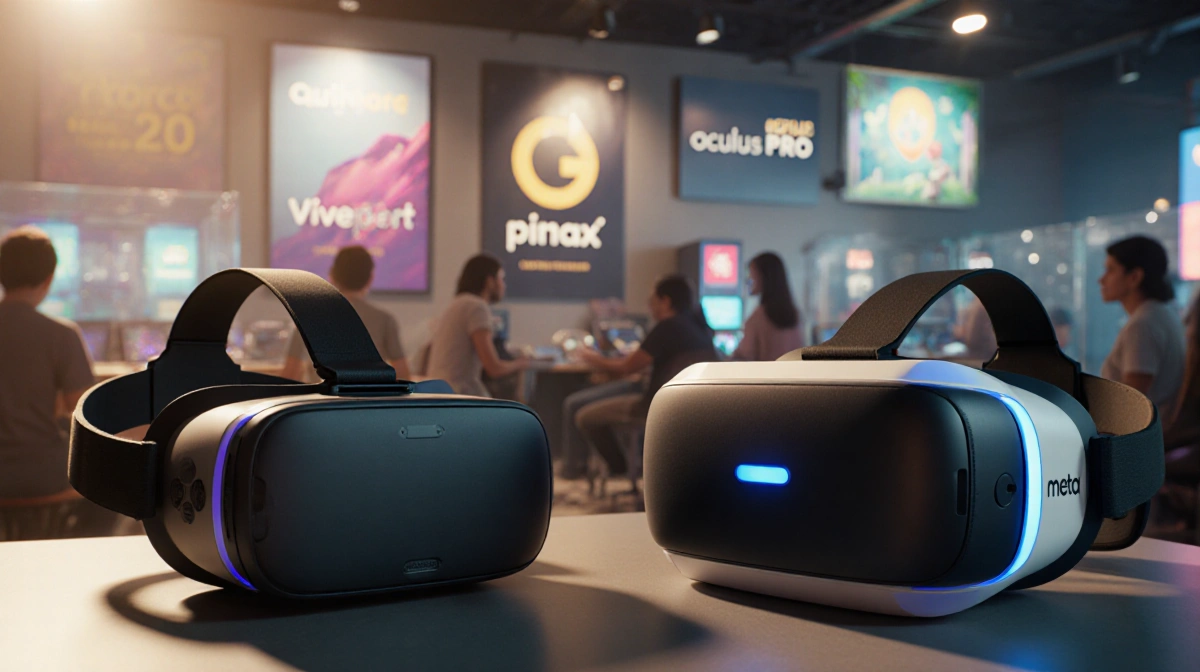
At a Glance
- Meta cuts Reality Labs, shuttering most VR studios.
- New XR competitors like Lynx R2 and Pimax Dream Air push forward.
- Meta’s future in VR remains unclear but not dead.
Meta’s recent layoffs in its Reality Labs division have sent shockwaves through the virtual-reality community. The cuts hit the VR studios hardest, effectively shutting down many of the companies that had been developing games and experiences for Meta’s headsets. While Meta insists it is still interested in VR, the scale of the layoffs suggests that the platform is no longer a top priority.
The Reality Labs team had been the hub for Meta’s XR and VR projects, overseeing software, hardware, and content. When the layoffs were announced, the company closed most of its first-party VR studios, leaving a void for game developers who had relied on Meta’s ecosystem. This move was described by observers as a grim day for VR as a whole, especially for the gaming segment that has been a key driver of headset adoption.
Meta’s history shows that it once pushed VR aggressively, subsidizing headsets and building a massive marketing machine. The company’s subsidies made Quest headsets affordable, helping bring VR into mainstream conversations. This strategy attracted attention from other tech giants, including Apple and Samsung, who began exploring their own VR or AR ambitions.
The company’s decision to reduce its VR footprint came after a quiet year at Meta Connect 2025, where it barely mentioned VR or announced new Quest hardware. That silence has led some to say “VR is cooked,” a claim that many find too dramatic given the market’s resilience. The layoffs, however, are hard to ignore and point to a shift in Meta’s priorities.
Emerging Competitors
Lynx’s new R2 headset is one of the most talked-about rivals in the space. The company revealed the R2 just this week, promising a 126° field of view (FOV) that outstrips the Quest 3’s 110° FOV. The R2 will not be available until this summer, but its specifications already excite the community.
Lynx has taken an unusual step by releasing open-source schematics for the R2. The company claims that the schematics will make it easier for developers and hobbyists to mod the device, a feature that Meta’s Quest does not offer. This openness could foster a new ecosystem of custom hardware and software that thrives outside Meta’s control.
Pimax’s Dream Air, showcased at CES 2026, offers a different set of strengths. The headset is almost impossibly light-lighter than an iPhone 17-and delivers bright, sharp visuals. While it remains wired, the Dream Air focuses on gaming, keeping the core VR experience intact.
The CES 2026 experience was notable for its emphasis on immersion. Testers reported that the Dream Air’s display quality and low latency made it a compelling alternative for gamers who demand high fidelity. Its wired nature, while limiting mobility, also ensures a stable connection that many users prefer for competitive play.
Meta’s move away from VR hardware has coincided with the rise of these competitors, creating a paradox where the biggest player steps back while niche players advance. The market’s diversification suggests that VR may no longer need a single dominant platform to thrive.
Meta’s Legacy
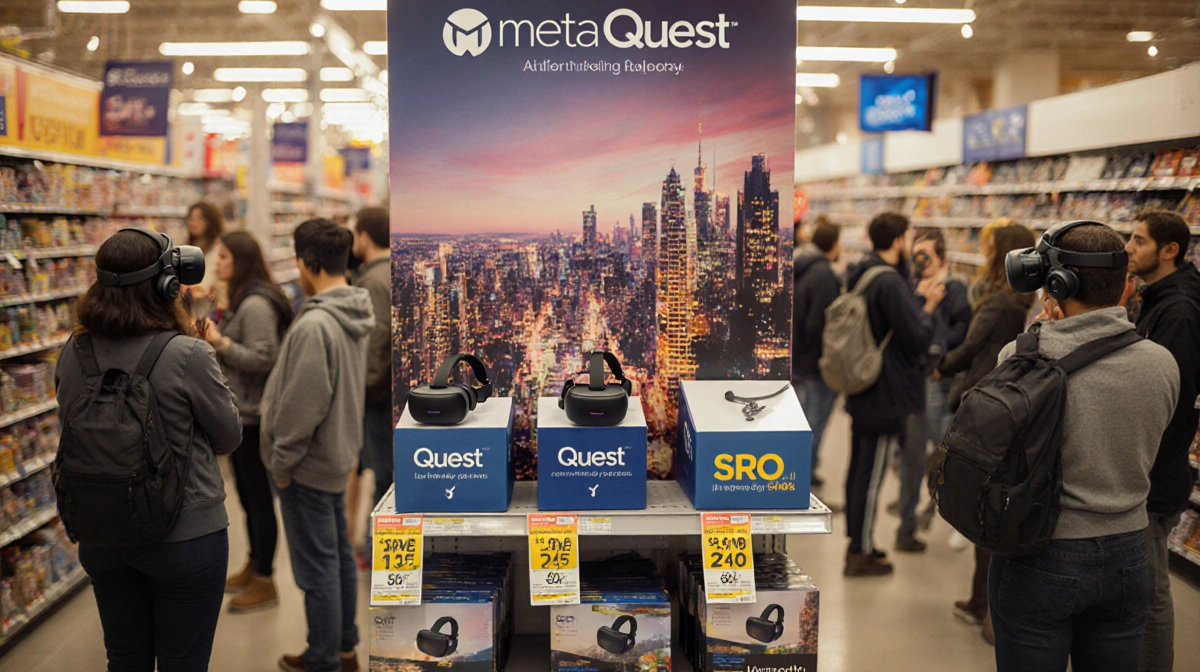
Meta’s original strategy was to bring VR mainstream through aggressive pricing and broad marketing. The company’s subsidies made Quest headsets affordable, lowering the barrier to entry for consumers. This approach helped shift VR from a niche hobby to a mainstream technology.
The subsidized pricing also built a large user base that developers could tap into. As a result, Meta attracted a variety of game developers and content creators who wanted to reach this growing audience. The company’s marketing machine amplified this effect, creating a virtuous cycle of content and adoption.
Apple and Samsung, among others, took notice of Meta’s success. The conversation around VR expanded beyond hobbyists, prompting these firms to invest in their own AR and VR initiatives. Meta’s presence in the market helped legitimize the technology and set industry standards.
Despite this, Meta’s recent layoffs indicate a strategic pivot. The company may be reallocating resources to other areas such as AI, social networking, or augmented reality. The shift suggests that Meta no longer sees VR as the primary growth engine it once envisioned.
Is VR Dead?
The narrative that VR is dead is fueled by the layoffs and Meta’s reduced focus. Yet the emergence of new hardware from Lynx and Pimax counters this view. These companies show that there is still appetite for high-quality VR experiences.
The debate also touches on the question of whether VR was ever meant to be mainstream. Some argue that VR is a niche technology, best suited for specific use cases rather than everyday use. The high cost and limited content have historically kept it from mass adoption.
Apple’s Vision Pro and Valve’s hardware are examples of players who have not yet broken into the mainstream. Their devices, while impressive, have not achieved mass-market penetration. This reality supports the idea that VR may remain a niche but vibrant market.
Meta’s own history of overpromising and underdelivering in VR adds to the skepticism. The company’s “Meta Connect 2025” event barely mentioned VR, and no new Quest hardware was announced for the year. This silence has left many questioning Meta’s commitment to the space.
Despite the setbacks, VR still has legs. The “wonky avatars” in Horizon Worlds demonstrate that Meta’s social VR platform is still in development and may evolve. The platform’s community shows that there is still a user base that cares about VR experiences.
Key Takeaways
- Meta’s layoffs signal a shift away from VR as a primary focus.
- Lynx R2’s 126° FOV and open-source schematics could spark a new hardware ecosystem.
- Pimax Dream Air’s lightweight design and gaming focus offer a compelling alternative.
- Meta’s subsidized pricing once drove mainstream adoption, but its future plans remain unclear.
- VR may stay niche, but new entrants keep the market alive and evolving.
Meta’s retreat from VR does not spell the end of the technology. With competitors stepping up and a community still engaged, the future of VR remains uncertain but far from finished.