Mo Amer’s second season of Netflix’s “Mo” dives into the real-life struggles of Palestinian refugees, a narrative that has earned the show critical acclaim.
A Grounded Narrative
Amer, a comedian, writer and actor of Palestinian descent, says he writes what he knows. “Whenever you want to make a grounded show that feels very real and authentic to the story and their cultural background, you write to that,” he told The Associated Press. “And once you do that, it just feels very natural, and when you accomplish that, other people can see themselves very easily.”
The Journey of Mo Najjar
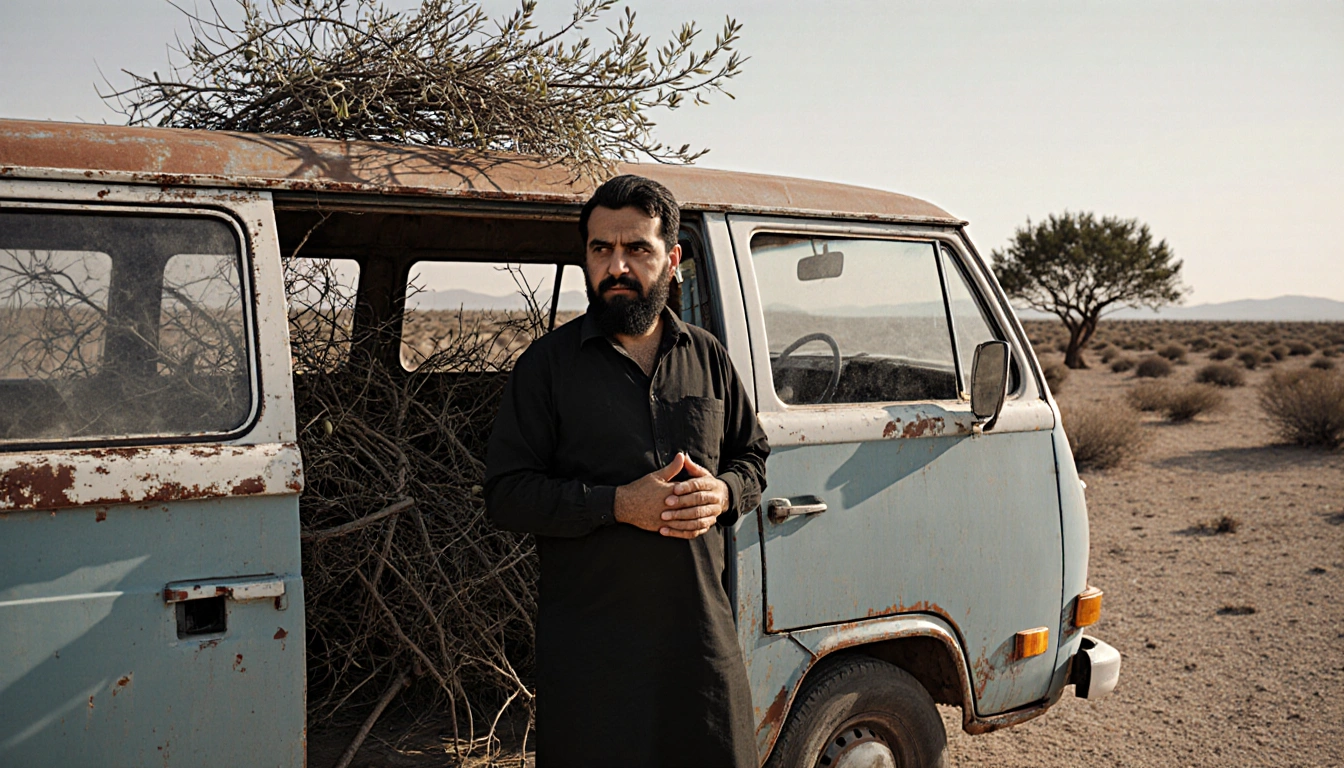
The second season opens with Mo Najjar running a falafel taco stand in Mexico after a van transporting stolen olive trees across the U.S.-Mexico border locks him in. Najjar’s mission is to retrieve the trees and return them to the farm where he, his mother and brother are building an olive oil business. The storyline ends before the Hamas attack on Oct. 7, 2023, yet the series confronts Israeli-Palestinian relations, the Gaza conflict and the reality of asylum seekers held in U.S. Immigration and Customs Enforcement detention centers.
Other Arab-Muslim American Shows
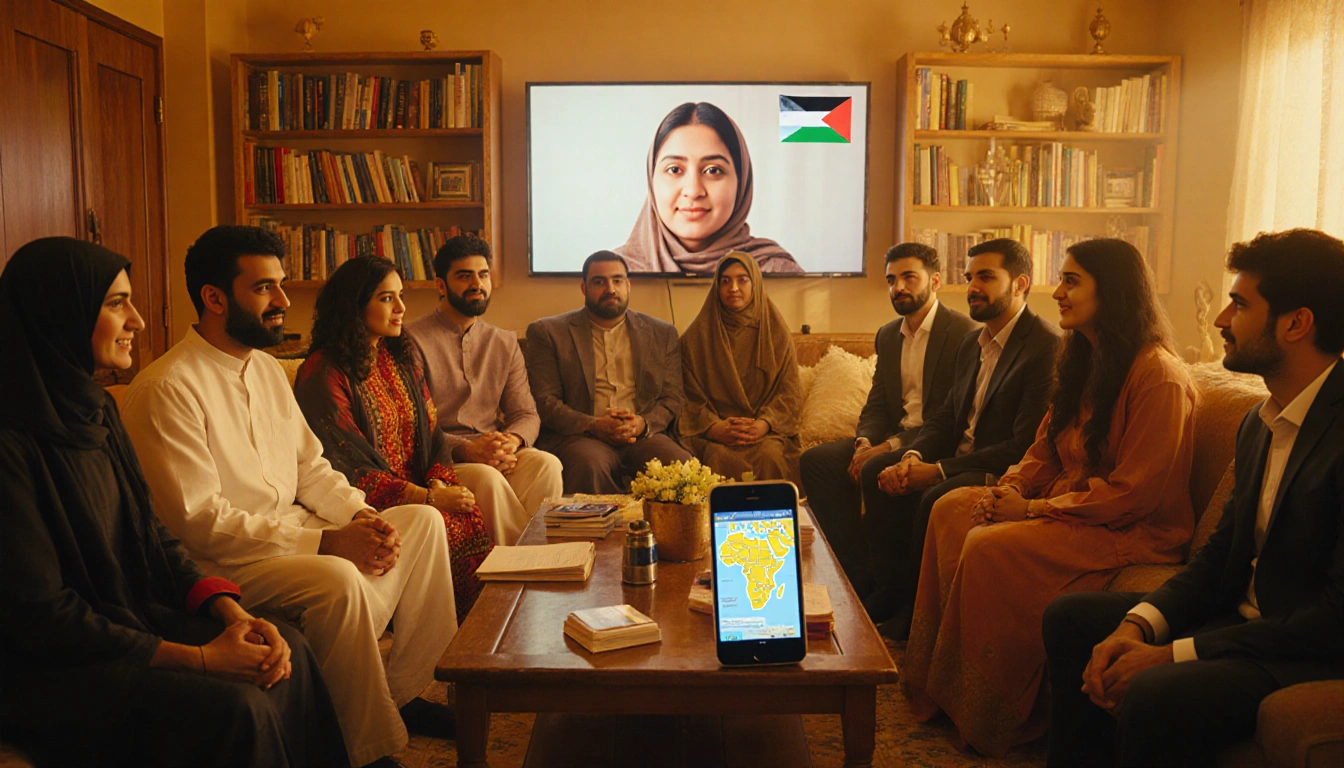
“Mo” is part of a growing slate of programs that move beyond stereotypes. “Muslim Matchmaker,” hosted by Hoda Abrahim and Yasmin Elhady, connects Muslim Americans nationwide in search of a spouse. The animated series “#1 Happy Family USA,” created by Ramy Youssef-who collaborated with Amer on “Mo”-and Pam Brady, follows an Egyptian American Muslim family in New Jersey after the 9/11 terrorist attacks in New York.
Academic Insights on Representation
Sahar Mohamed Khamis, a University of Maryland professor, explains that “After the 9/11 attacks, Arabs and Muslims became the villains in many American films and TV shows. The ethnic background of Arabs and the religion of Islam were portrayed as synonymous, too, Khamis said. The villain, Khamis said, is often a man with brown skin with an Arab-sounding name.”
Elhady counters that “Muslim Matchmaker” flips this narrative by showcasing the ethnic diversity of Muslim Americans. “It’s really important to have shows that show us as everyday Americans,” she says, adding that the program displays the dual realities many hold between East and West.
Wins and Ongoing Challenges
Sanaz Alesafar, executive director of Storyline Partners, notes that “Mo,” “Muslim Matchmaker” and “#1 Happy Family USA” represent wins for Arab representation in Hollywood. She stresses that “In the popular imagination and popular culture, we’re still siloed in really harmful ways,” and calls for more diverse decision-making in the industry.
Deana Nassar, head of creative talent at Alamiya Filmed Entertainment, says it is vital for her children to see themselves reflected on screen “for their own self image.” She wishes for a “diverse group of people in decision-making roles in Hollywood.” Without that, she says, “it’s a clear indication that representation is just not going to get us all the way there.”
Representation’s Impact on Public Opinion
A recent study by the Institute for Social Policy and Understanding found that participants who saw positive Muslim representation were less likely to support anti-democratic and anti-Muslim policies than those who viewed negative portrayals.
Creators’ Perspective on Industry Limits
Amer acknowledges that limitations stem from decision-makers who greenlight projects, not from creators. He says the success of shows like his is “a start,” but he wants more industry recognition for his work and that of others. “That’s the thing, like just keep writing, that’s all it’s about,” he says. “Just keep creating and keep making and thankfully I have a really deep well for that, so I’m very excited about the next things.”
Key Takeaways
- Mo Amer’s “Mo” offers an authentic look at Palestinian refugee experiences, earning a Peabody for its first season.
- New Arab-Muslim shows such as “Muslim Matchmaker” and “#1 Happy Family USA” challenge long-standing stereotypes.
- Academic and industry voices highlight both progress and the need for broader representation and decision-making diversity.
The growing body of Arab-Muslim American television not only entertains but also reshapes public perception, underscoring the power of authentic storytelling.