At a Glance
- Myanmar’s military-backed Union Solidarity and Development Party (USDP) secures majority in first election phase
- 6 million voters cast ballots, 52% turnout of 11 million eligible
- USDP wins 38 of 330 seats, with 88 seats out of 102 contested so far
- Why it matters: The results reinforce the military’s grip on power amid ongoing civil conflict
Myanmar’s Union Election Commission has released early results from the first phase of its three-phase general election, confirming that the Union Solidarity and Development Party (USDP) has captured a majority of seats, a development that many observers expected.
Election Results
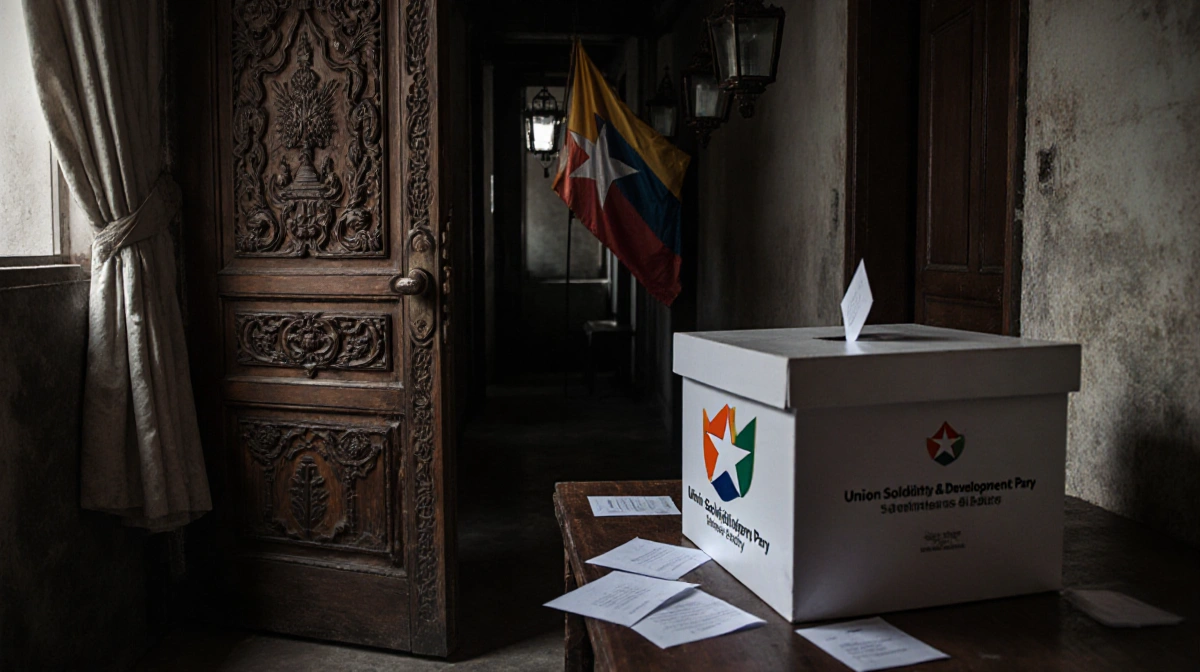
In a statement published in the state-run Myanma Alinn, the Union Election Commission announced that the USDP won 38 seats in the 330-seat Pyithu Hluttaw lower house. The Shan Nationalities Democratic Party and Mon Unity Party each secured one seat.
USDP leader Khin Yi, a former general and police chief closely allied with Senior General Min Aung Hlaing, was declared the winner in Naypyitaw, receiving 49,006 of the 68,681 votes cast in his constituency.
- 38 seats for USDP
- 1 seat for Shan Nationalities Democratic Party
- 1 seat for Mon Unity Party
Turnout and Future Phases
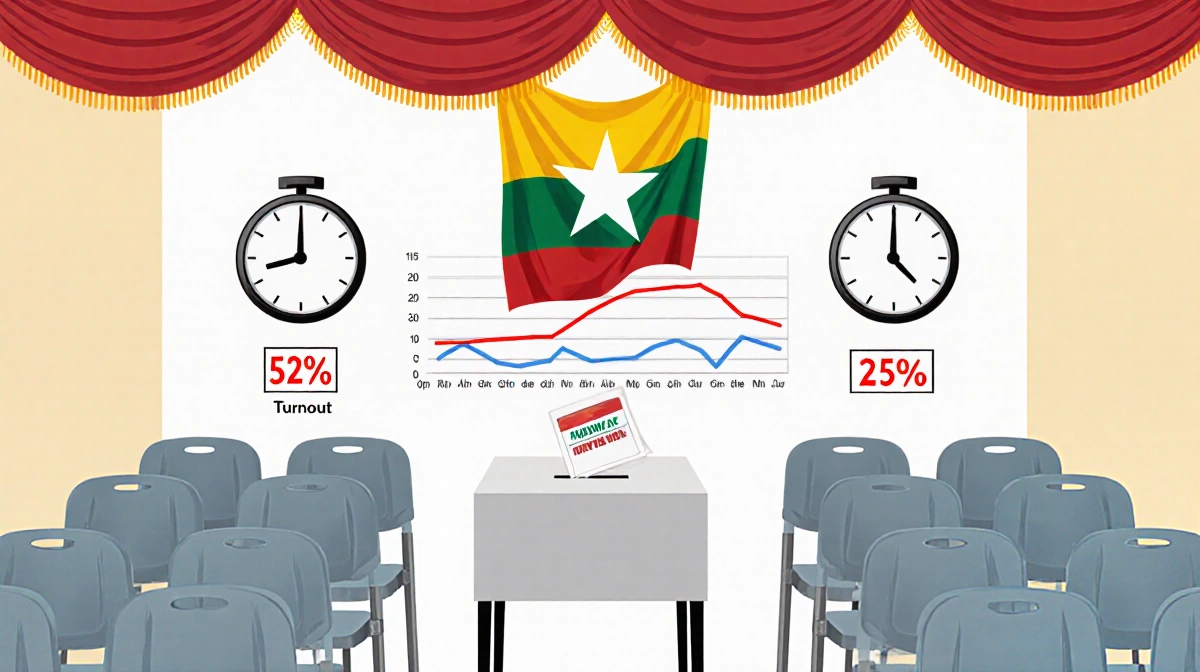
The military government reported that more than 6 million people, about 52% of the 11 million eligible voters, participated in the Dec. 28 poll. Voting will continue in two additional phases on Jan. 11 and Jan. 25, though 65 townships will be excluded due to fighting.
| Metric | Value |
|---|---|
| Total votes cast | 6 million |
| Turnout | 52% |
| Eligible voters | 11 million |
Political Context
Myanmar’s military seized power in Feb. 2021 after ousting the elected National League for Democracy. The NLD was dissolved in 2023, and 39 other parties were banned for refusing to register under the new rules.
Key Takeaways
- USDP wins majority in first election phase
- 6 million voters cast ballots, 52% turnout
- Military maintains control over parliament and presidency
With the USDP securing a majority in the lower house, the military’s influence over the upcoming presidential selection is likely to be reinforced, while opposition parties continue to call for a boycott amid ongoing conflict.