At a Glance
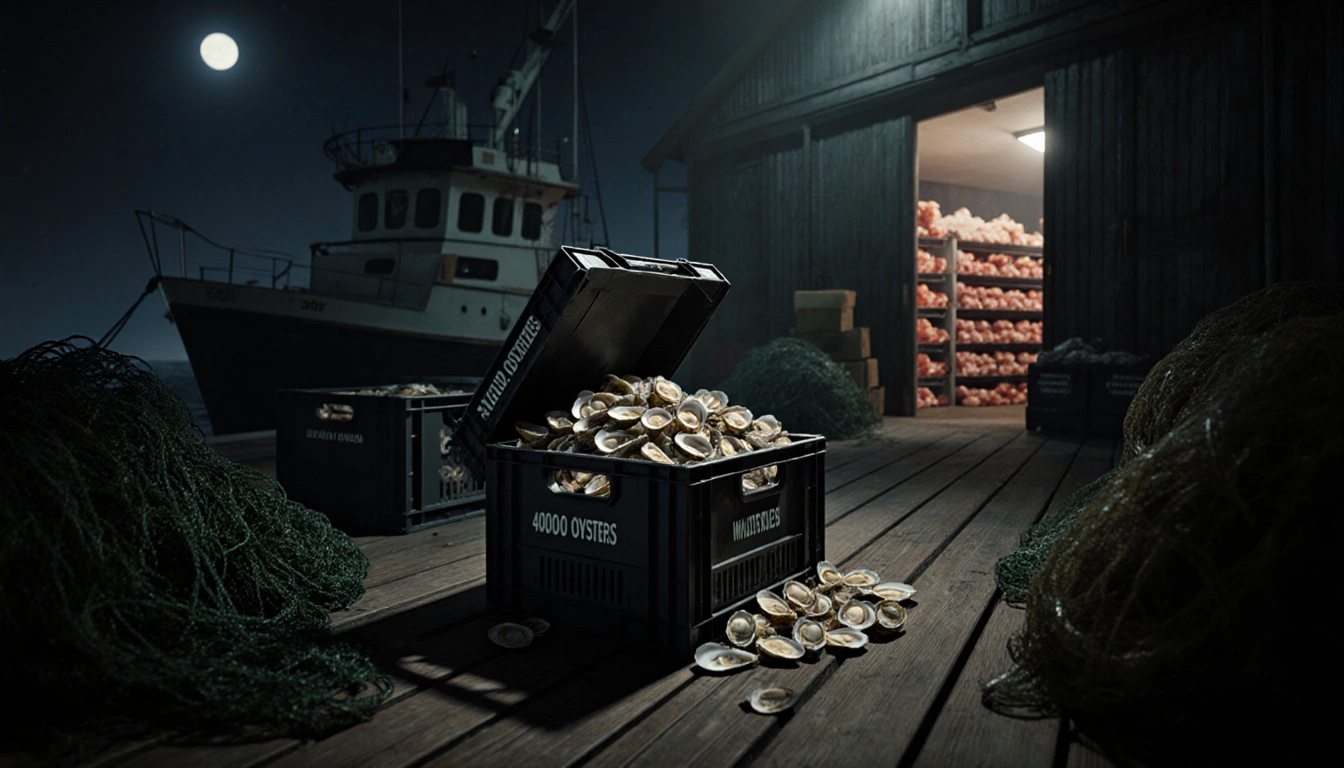
- 40,000 oysters, $400,000 lobster, and crab stolen in New England.
- Thefts occurred on Nov. 22, Dec. 2, and Dec. 12.
- Small businesses and large retailers hit by sophisticated cargo theft.
- Why it matters: The incidents expose rising freight theft that forces consumers to bear higher costs.
In a startling string of thefts that rattled New England’s seafood industry, a combined haul of 40,000 oysters, lobster worth $400,000, and a load of crab disappeared in three separate incidents over a month. The events, spanning from Maine to Massachusetts, highlight a growing problem of sophisticated cargo theft that ultimately drives up prices for consumers.
Maine Oyster Heist
On Nov. 22, authorities in Falmouth, Maine, reported that 14 cages of full-grown oysters were stolen from a Casco Bay aquaculture site. The oysters and cages were valued at $20,000 according to the Maine Marine Patrol. Marine Patrol Sgt. Matthew Sinclair described the loss as a devastating blow to a small businessman.
- 14 cages
- Full-grown oysters ready for sale
- Value: $20,000
Massachusetts Crab and Lobster Theft
In Taunton, Massachusetts, two separate thefts followed. On Dec. 2, a load of crab vanished after leaving the Lineage Logistics warehouse. Ten days later, on Dec. 12, lobster meat destined for Costco stores in Illinois and Minnesota was stolen by a fraudulent trucking company, according to the broker who arranged the pickup.
- Dec. 2: Crab theft from Lineage Logistics warehouse
- Dec. 12: Lobster theft by impersonating carrier
Dylan Rexing, CEO of Rexing Companies, said Tuesday:
> “The carrier we hired impersonated a real carrier. They had a spoofed email address. They changed the name on the side of the truck. They made a fake certified driver’s license. It’s a very sophisticated crime.”
Chris Burroughs, president and CEO of Transportation Intermediaries Association, said:
> “Freight theft generally falls into two categories. The lobster heist fits in the first type, which involves someone impersonating a legitimate trucking company. The second type, known as strategic theft, often involves using phishing emails to gain access to computer systems and get paid without actually stealing the product. This is a massive growing problem that needs to get addressed.”
| Type | Description | Example |
|---|---|---|
| Impersonation | Fake carrier pretends to be legitimate | Lobster theft by spoofed trucking company |
| Strategic | Phishing to access systems, no physical theft | Not directly seen here, but common in industry |

Given the lobster’s short shelf life, the stolen meat likely ended up in restaurants, according to Rexing. He warned that such thefts ultimately harm consumers by shifting costs onto them.
Dylan Rexing added:
> “Whether you eat seafood or not, they’re stealing other items. They’re stealing items to build your cars. They’re stealing items that go into computers. Ultimately, that cost gets thrown to the consumer.”
Broader Implications
The incidents underscore a freight theft problem that has been present for more than a decade but has intensified, with criminals using sophisticated tactics to bypass security. The losses affect small operators and large chains alike, raising the price of seafood for the end consumer.
Key Takeaways
- 40,000 oysters, $400,000 lobster, and crab stolen in New England.
- Theft tactics include impersonated carriers and spoofed emails.
- Consumers ultimately bear the cost of cargo theft through higher prices.
These thefts illustrate how a seemingly isolated crime can ripple through the supply chain, driving up costs and undermining trust in freight security. Stakeholders must strengthen safeguards to protect both businesses and consumers.