
At a Glance
- 2024-25 flu season declared most severe since 2017-18
- 87 % of H3N2 viruses in the UK are subclade K
- Early outbreaks in Japan and the US reached epidemic levels in 87 % of the US
- Outbreak began earlier than any time since 2003-04
Why it matters: The new variant’s mutations let it evade existing vaccine immunity, but current vaccines still reduce severe illness.
The fall of 2024 saw influenza spread more aggressively than usual, with health authorities labeling the season as the most severe since 2017-18. A new H3N2 variant, known as subclade K, dominates the virus pool, raising concerns about vaccine match and early peaks worldwide.
The subclade K Variant
The media have dubbed the strain “super flu,” but the official name is subclade K, a mutation of influenza A H3N2. This variant carries multiple changes in the hemagglutinin protein, making it antigenically distinct from strains in current vaccines. Genetic surveillance in the UK shows that 87 % of H3N2 viruses isolated since late August 2025 belong to subclade K.
Early Outbreaks Worldwide
The US pandemic peaked in early February 2025, with 87.3 % of the country experiencing active epidemics. For 11 consecutive weeks, more than half the population recorded high epidemic levels, leading to 287 child deaths. In Japan, the epidemic began at the end of September-earlier than the usual December-February window-and 22 of 23 H3 strains collected were subclade K.
- Reduced immunity from COVID-19 measures
- Heat-wave fatigue
- Lower population immunity due to pandemic suppression
Vaccine Effectiveness and Prevention
The 2025-26 vaccine is based on the conventional J.2 lineage, different from subclade K. Yet UK data show that 70-75 % of vaccinated children and 30-40 % of adults avoided ER visits or hospitalization after infection. This suggests that even with antigenic mismatch, the vaccine still protects against severe disease.
| Group | Avoided ER/Hospitalization |
|---|---|
| Vaccinated children | 70-75 % |
| Vaccinated adults | 30-40 % |
- Vaccination before the season (October-November)
- Hand hygiene and mask use in crowds
- Good ventilation and humidity control
- Vaccination recommended for people aged 65+, pregnant women, children 6 months to 5 years, and medical workers
Key Takeaways
- Subclade K dominates the 2024-25 flu season, but current vaccines still reduce severe illness.
- The outbreak began earlier worldwide, reaching epidemic levels in 87 % of the US.
- Vaccination and routine hygiene remain the most effective defenses.
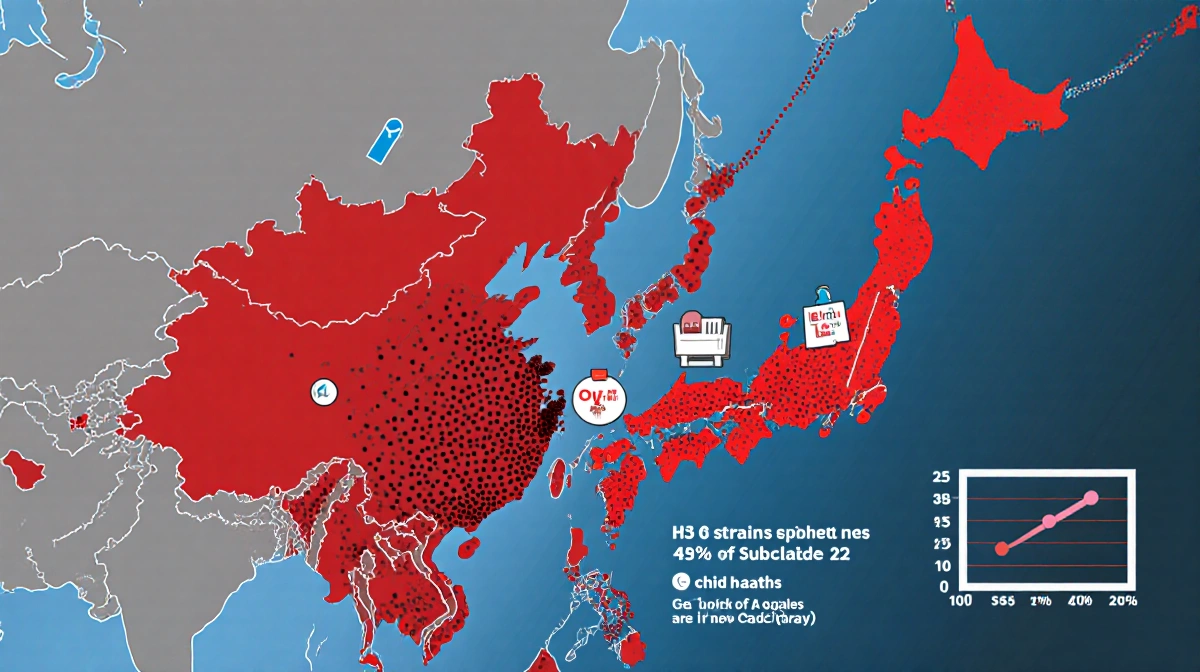
With subclade K reshaping the flu season, public health officials urge timely vaccination and routine hygiene practices to curb severe outcomes.