
At a Glance
- Homeowners can avoid HOA fines for lawn damage during water restrictions.
- Medical test results may be delayed up to three days for certain diagnoses.
- Expanded vehicle safety rules now include animal-control and parking-citation vehicles.
Why it matters: These laws change how residents manage lawns, receive medical information, and drive on Texas roads.
The 2025 Texas Legislative Session produced a mix of new regulations that touch many aspects of everyday life. While education was a headline topic, other laws now shape how residents manage their homes, health records, and even their driving habits. Below is a closer look at key provisions and what they mean for people living in Texas.
New Rules for Homeowners and Water Restrictions
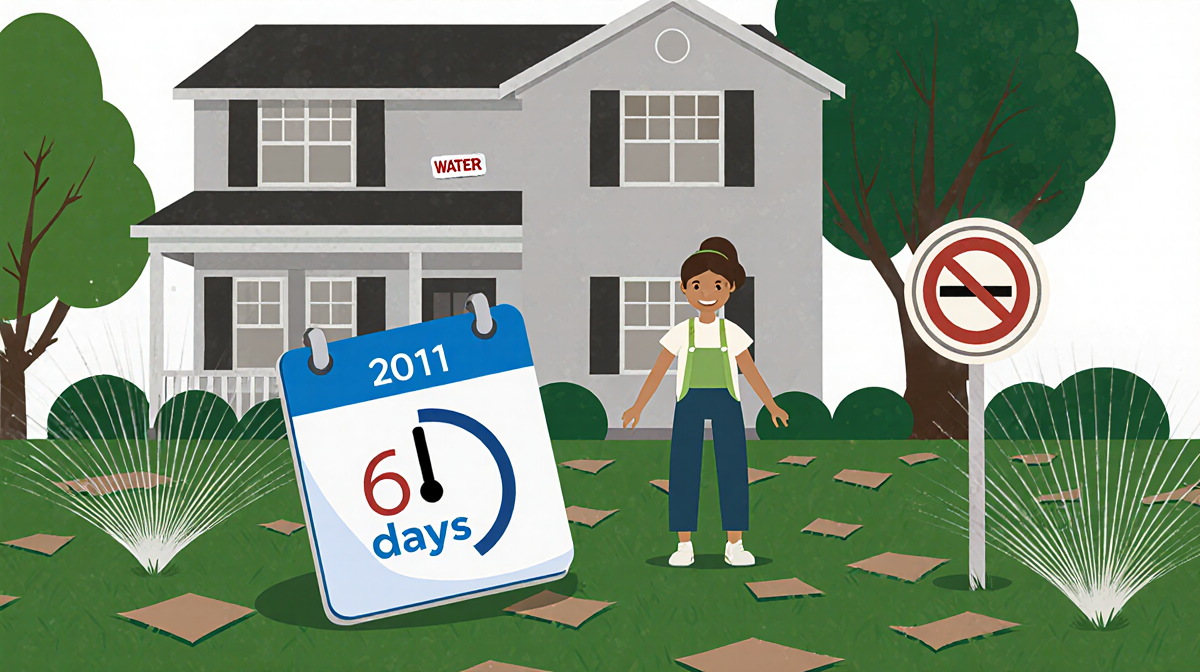
House Bill 517 removes the ability of homeowner’s associations (HOAs) to fine residents for discolored grass or landscaping during mandated watering restrictions. The bill also bars HOAs from requiring residents to replace grass or turf while restrictions are in place. After a watering restriction ends, homeowners have a 60-day window to repair any lawn damage without penalty.
The law responds to complaints that strict water limits left many residents unable to maintain lawns while still facing HOA fines. It also clarifies that the 60-day repair period begins once the restriction is lifted, giving residents a clear timeframe.
Practical Takeaway
- If your HOA fines you for lawn issues during a water restriction, the new law protects you.
- You may still need to repair damage, but you have 60 days after restrictions end.
- Check your HOA agreement for any pre-existing penalties that might still apply.
Medical Test Result Timing
Senate Bill 922 allows a delay of up to three days before uploading certain cancer or genetic marker test results to a patient’s online record. The delay is intended to give doctors time to discuss life-altering diagnoses with patients before they see the results online. Other test results are still posted immediately.
The bill aims to balance the benefits of instant access to medical information with the need for sensitive conversations. It does not affect the availability of routine lab results.
How It Affects Patients
- If you have a cancer or genetic test, your results may appear three days later.
- Your doctor will have a window to explain the implications before you view them.
- Routine test results, such as blood panels, remain available right away.
Expanded Move-Over Vehicle List
Senate Bill 305 broadens the list of vehicles that drivers must move over for or slow down behind. In addition to law-enforcement and emergency vehicles, drivers must now do so for vehicles operated by animal-control officers or local authorities issuing parking citations. The rule requires moving to a lane further from the vehicle or, if impossible, slowing to 20 mph below the posted speed limit.
The expansion reflects growing concerns about driver safety when interacting with traffic officers. It also clarifies that parking-citation vehicles fall under the same move-over rules.
Key Points for Drivers
- When an animal-control officer is on the road, move over or slow down.
- If you cannot change lanes, reduce speed to 20 mph below the posted limit.
- The rule applies to both city and county officers.
Ban on Lab-Grown Meat Products
Senate Bill 261 prohibits the sale of any “cell-cultured proteins” for human consumption. Cell-cultured proteins are meat products created by harvesting livestock cells and replicating them in a laboratory. The ban applies to all forms of lab-grown meat, regardless of packaging.
The bill follows debates about food safety and environmental impact. It does not address plant-based alternatives.
What Consumers Should Know
- Lab-grown meat will no longer be available for purchase.
- Restaurants and grocery stores cannot sell cell-cultured proteins.
- The ban does not affect conventional meat or plant-based products.
Restrictions on E-Cigarette Products
Senate Bill 2024 bans and penalizes the sale of various e-cigarette or vape products. The ban targets products made in China, those in containers that might appeal to minors, and items containing THC, alcohol, or kratom. The bill is separate from broader THC-related legislation.
The law seeks to reduce youth access to flavored vaping products and substances that could pose health risks.
Enforcement Highlights
- Vapes made in China are prohibited.
- Products that look appealing to minors are banned.
- Items with THC, alcohol, or kratom face penalties.
Expanded Access to Medical Marijuana
House Bill 46 expands the Texas Compassionate Use Program. The bill adds chronic pain, Crohn’s disease, traumatic brain injury, terminal illness, and hospice care to the list of qualifying medical conditions. It also broadens the types of marijuana products that may be prescribed, increases patient privacy protections, and licenses several new dispensaries.
The expansion comes amid a broader session that also focused on restricting THC products. The bill aims to provide more options for patients who need medical marijuana.
Patient Benefits
- More conditions qualify for medical marijuana.
- A wider range of products is now available.
- Privacy protections for patients are strengthened.
How Residents Can Prepare
- Review HOA agreements to understand any remaining penalties.
- Ask your doctor how long you might wait for test results and what the discussion will entail.
- Stay alert on the road for animal-control or parking-citation vehicles.
- Check product labels to avoid banned e-cigarette items.
- Consult your healthcare provider if you qualify for the expanded medical marijuana program.
The new laws illustrate the breadth of the 2025 session’s impact. While some regulations protect residents, others restrict products or impose new responsibilities. Staying informed helps residents adapt to these changes.
—
Submission Notice
Readers can submit column suggestions, questions, and comments to [email protected]. Submissions do not create an attorney-client relationship, and any information may be included in future columns. The material is for informational purposes only and does not constitute legal advice. For specific legal advice, consult a licensed attorney.
—
Legal Disclaimer
The content herein is not a substitute for legal counsel. Contact the Lawyer Referral Service of Central Texas at 512-472-8303 or www.austinlrs.com for professional guidance.
—
Donation Request
Bold and uncensored, News Of Austin has served Austin for over 40 years. Support independent, free press by donating $5, $10, or what you can afford.