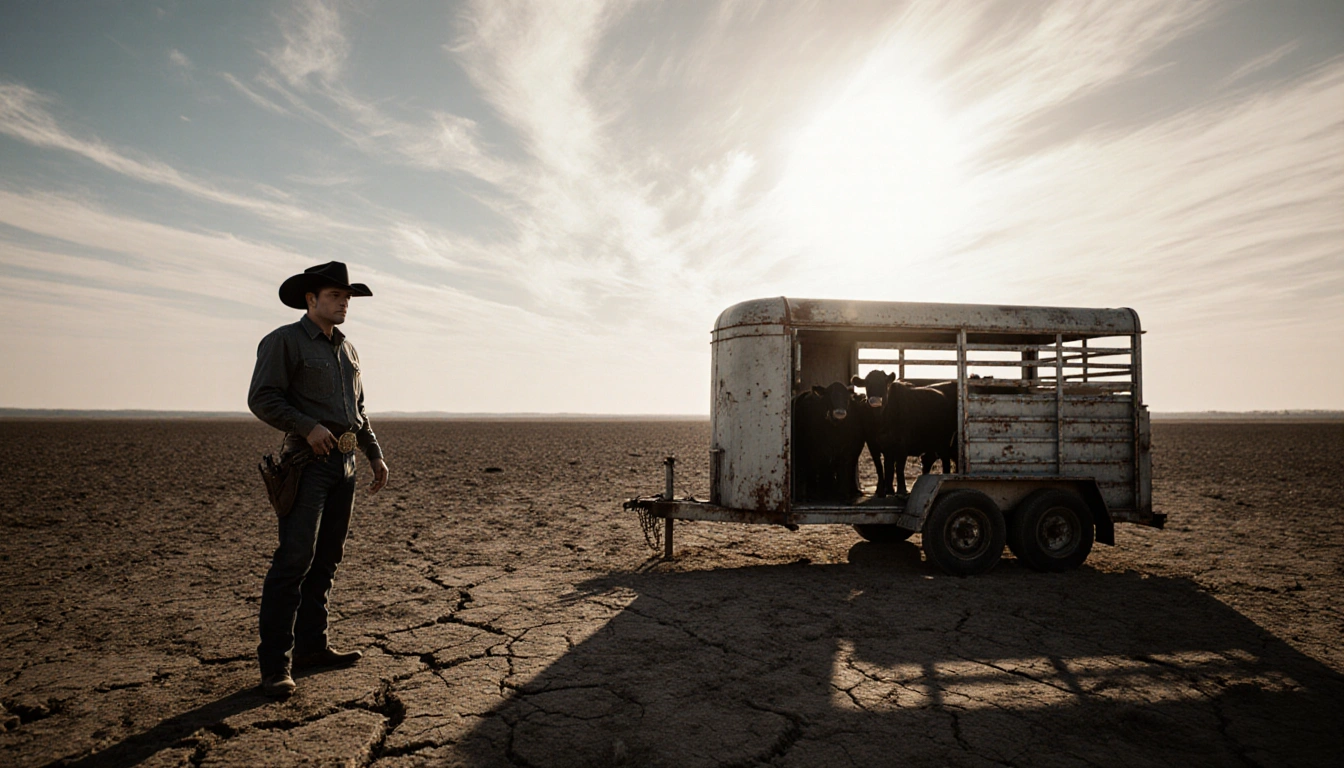
A 70-mile stretch south of Texas has become a new hotspot for the New World screwworm, forcing the U.S. Department of Agriculture to halt all imports of Mexican cattle this year.
Historical Eradication Effort
The New World screwworm first invaded the United States in the late 1800s and spread from California to Florida. Scientists discovered that releasing sterile male flies could almost eliminate the species. “By 1966, California was one of the last places the fly was eradicated from,” said Alec Gerry, a professor of veterinary entomology at the University of California Riverside. Gerry and other researchers at the school are now working to prevent a threatened return to California and other states such as Texas.
Recent Spread and Threat
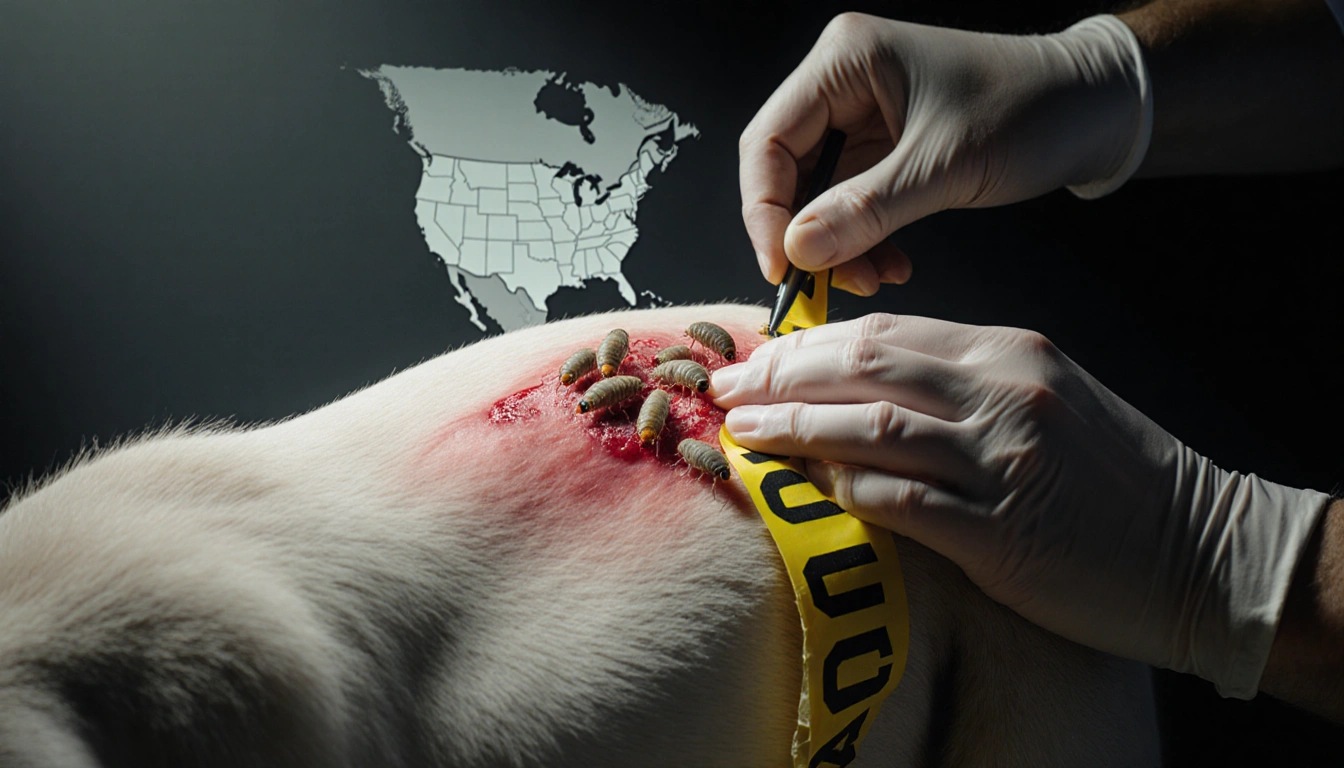
“By the 1990s they had actually driven the population all the way south of Panama. Unfortunately, in 2023, the flies escaped northward of that barrier zone and have been moving north through Central America and up into Mexico creating concern the flies might once again reach the U.S.” The screwworm is not a worm; it is the larval or maggot stage of a shiny, metallic blowfly, Cochliomyia hominivorax. While many blowflies are harmless, this species feeds on living flesh. The fly lays eggs in open wounds on warm-blooded animals, including humans, and the maggots burrow into flesh in a corkscrew motion. “They actually eat the living tissue of those animals, enlarging the wounds and oftentimes resulting in the death of the animal,” Gerry said. “The adult flies can fly, but the immatures, the maggots if you will, are found in open-flesh wounds and are often moved with the animal, so if you move animals from one location and they’re infested with these maggots already and you don’t realize it, you move the flies to another location.”
Current Response and Surveillance
Gerry says he and fellow scientists at UC Riverside are gearing up to begin surveillance programs looking for the flies in California. They will also be working with the U.S. Department of Agriculture to update education and pest management materials aimed at the public that haven’t been upgraded in 60 years. The California Department of Food and Agriculture is providing more than half a million dollars in funding to UCR to perform the work.
Key Takeaways
- “New World screwworm found 70 miles south of Texas, prompting USDA cattle import halt.”
- “Scientists in California are launching surveillance and educational updates.”
- “California’s Department of Food and Agriculture is funding the effort with over $500,000.”
The threat of the New World screwworm spreading northward underscores the need for vigilant monitoring and rapid response to protect livestock and public health.