At a Glance
- Nicolás Maduro was captured by U.S. forces in Caracas.
- Trump announced the capture; Maduro’s wife remains missing.
- Maduro’s long history of political rise, economic collapse, and repression frames the event.
- Why it matters: The capture signals a dramatic shift in Venezuelan politics and heightened U.S. involvement.
By Gavin U. Stonebridge | News Of Austin
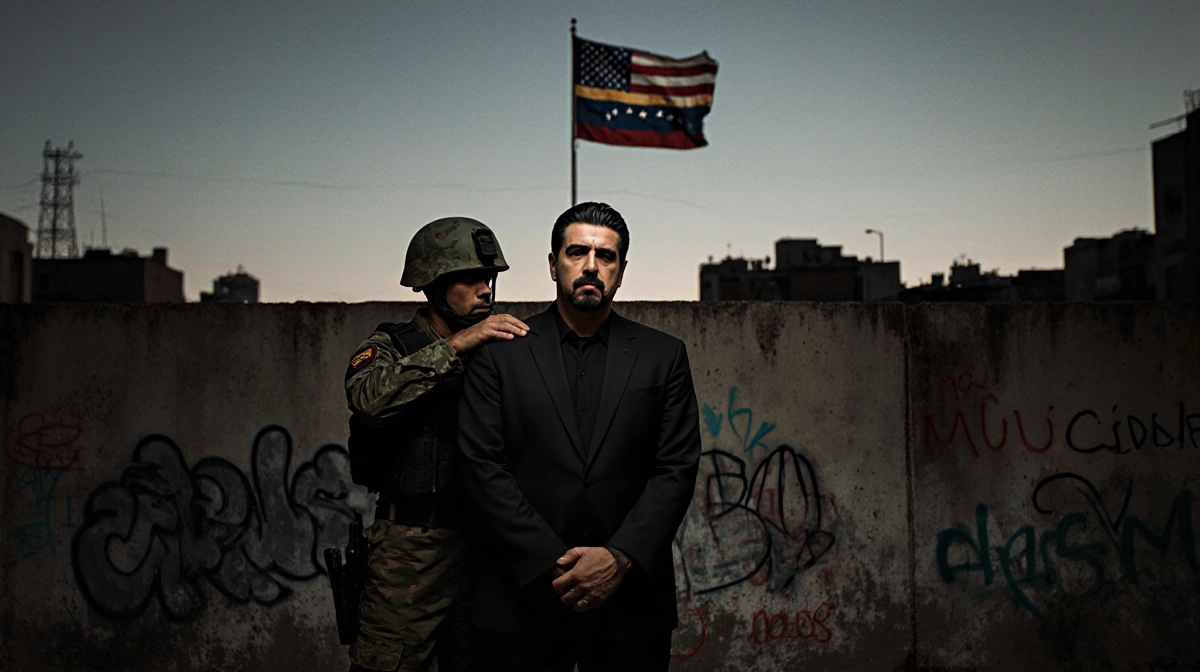
A surprise raid by U.S. forces on the Venezuelan capital on Saturday resulted in the capture of President Nicolás Maduro, marking a turning point in the country’s turbulent political saga.
Capture and U.S. Announcement
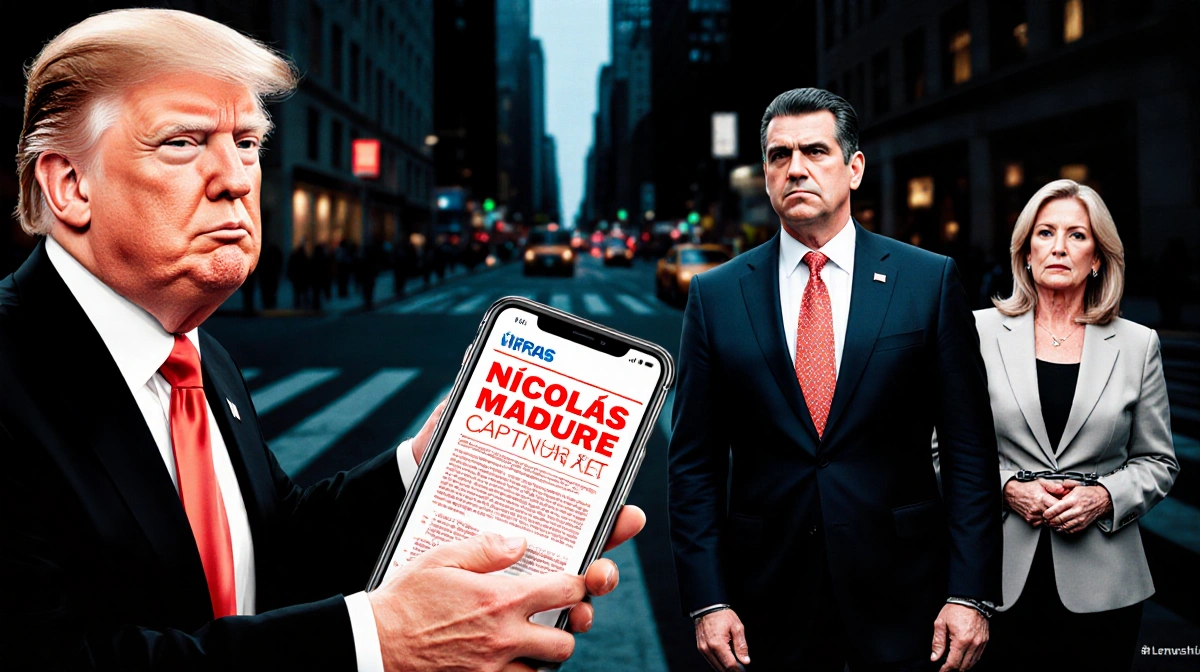
The raid was announced by President Donald Trump early in the morning on social media, declaring Nicolás Maduro‘s capture. Venezuelan Vice President Delcy Rodríguez later said the whereabouts of Nicolás Maduro and his wife, Cilia Flores, were unknown. Donald Trump‘s attorney general, Pam Bondi, indicated that both would face charges following a New York indictment.
- U.S. forces executed the raid in Caracas.
- Donald Trump announced capture on social media.
- Nicolás Maduro‘s wife remains missing.
Maduro’s Political Trajectory
Nicolás Maduro rose from a bus driver to the presidency after a 1986 ideological stint in Cuba and union leadership in Caracas. He joined the movement founded by Hugo Chávez and received a presidential pardon in 1994 for a failed coup. Hugo Chávez named him successor in his final 2013 address, leading to a razor-thin victory that year.
Nicolás Maduro married Cilia Flores in July 2013 and called her the “first combatant”. His rule has been marked by economic collapse, with inflation topping 130,000 % and oil production falling below 400,000 barrels per day.
- 1986: Ideological training in Cuba.
- 1994: Presidential pardon.
- 2013: Election victory after Hugo Chávez‘s endorsement.
Economic Collapse and Repression
Under Nicolás Maduro, the economy shrank 71 % between 2012 and 2020, while 7.7 million Venezuelans migrated. Food and medicine shortages forced families to line up for basic staples, and protests in 2015 and 2017 were violently suppressed, resulting in 43 deaths and numerous arrests.
The International Criminal Court opened an investigation in 2015 for crimes against humanity. Nicolás Maduro survived an assassination attempt in 2018 when drones exploded near him during a televised parade.
- 2015: ICC investigation opened.
- 2018: Drone attack on Nicolás Maduro.
- 2023: Ban on María Corina Machado‘s candidacy.
International Response and Future
The U.S. imposed sanctions in 2018, freezing Venezuelan assets and limiting business with state entities. In 2021, Nicolás Maduro introduced economic measures that ended hyperinflation and negotiated concessions with U.S.-backed opposition, securing a sanctions license for Chevron.
Despite these steps, negotiations failed to resolve core political differences. The 2024 election was marred by irregularities, and the National Assembly swore Nicolás Maduro into a third term in January 2025, a move rejected by many world leaders.
| Event | Year | Outcome |
|---|---|---|
| Ideological training in Cuba | 1986 | Foundation for political rise |
| Presidential pardon | 1994 | Ended coup conviction |
| Election victory | 2013 | Nicolás Maduro becomes president |
| ICC investigation | 2015 | Charges for crimes against humanity |
| Drone attack | 2018 | Nicolás Maduro survives |
| National Assembly swears in | 2025 | Third term amid controversy |
The capture underscores the escalating conflict between Nicolás Maduro‘s regime and U.S. interests, raising questions about the country’s future direction.
Key Takeaways
- Nicolás Maduro‘s capture marks a pivotal moment in Venezuelan politics.
- His decade-long rule has seen economic collapse and widespread repression.
- The U.S. has intensified its military and legal pressure on Nicolás Maduro‘s government.
As the world watches, the next moves by both Nicolás Maduro and the U.S. will shape Venezuela’s uncertain path forward.