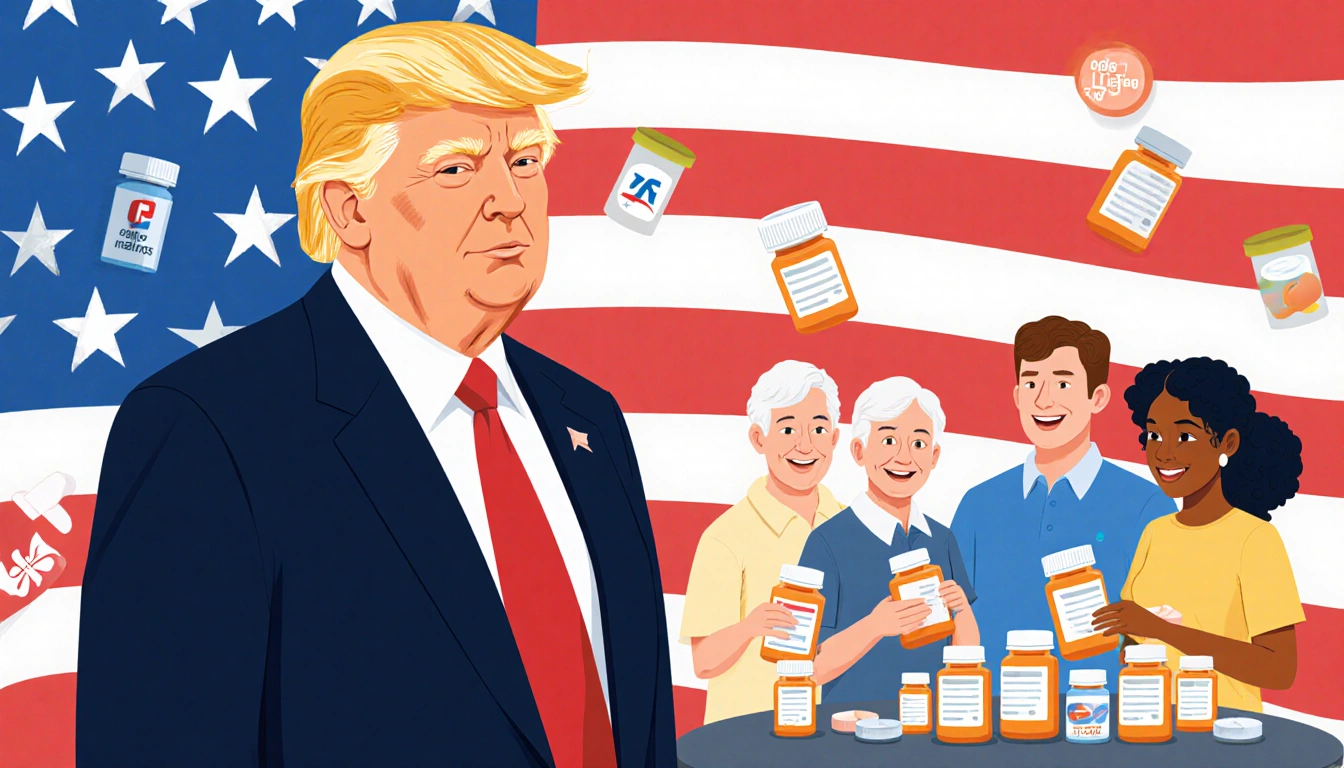
On Friday, President Donald Trump announced that nine leading pharmaceutical companies have agreed to lower the cost of their prescription drugs in the United States.
The Deal
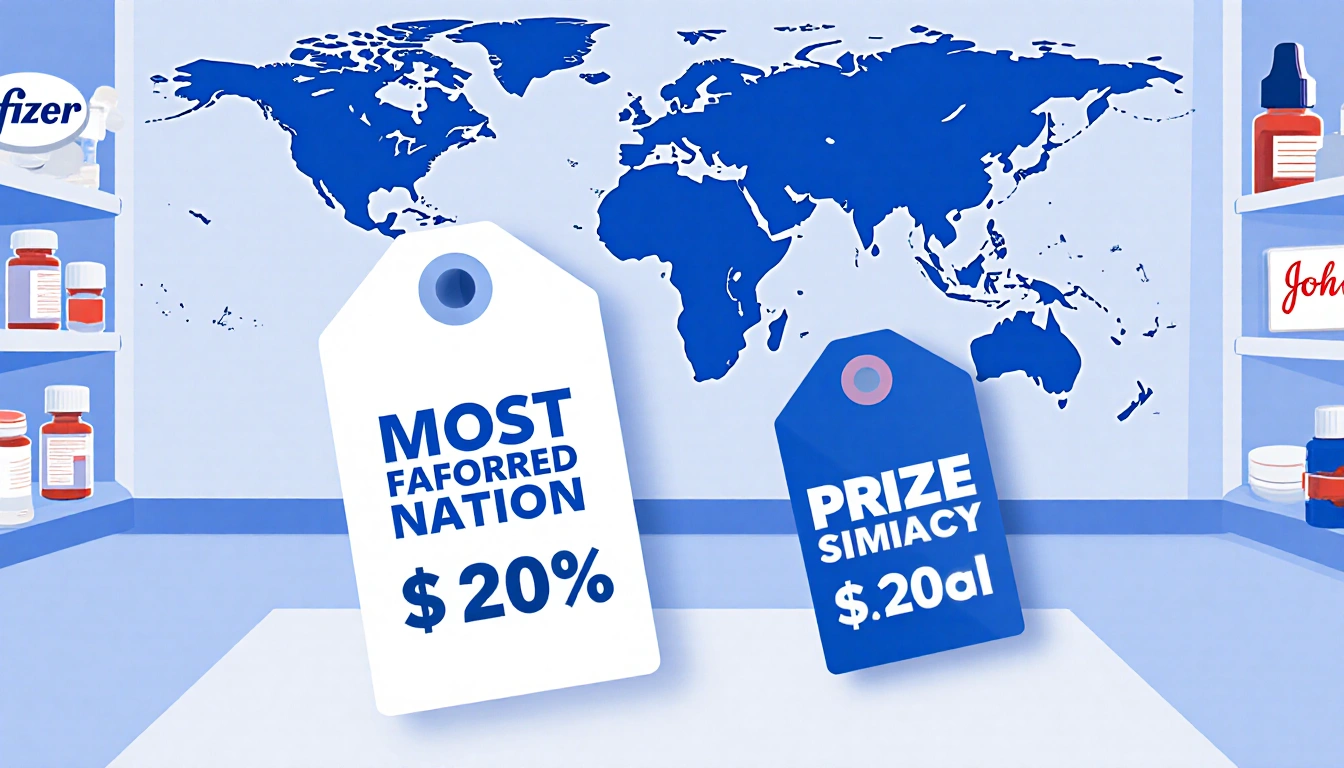
The agreement, announced in a statement from the White House, requires the companies to reduce Medicaid drug prices so that they match the prices charged in other developed nations. It also stipulates that any new medications introduced by these firms will be sold at the so-called “most-favored-nation” pricing across the country. This applies to commercial, cash-pay, Medicare, and Medicaid markets.
The Companies Involved
The nine firms that signed the pact are Amgen, Bristol Myers Squibb, Boehringer Ingelheim, Genentech, Gilead Sciences, GSK, Merck, Novartis, and Sanofi. Each of these companies has a significant presence in the U.S. drug market and will be bound by the new pricing rules.
Medicaid and State Budgets
Medicaid patients already pay a nominal co-payment of a few dollars when filling prescriptions. By lowering the wholesale prices, the program may ease the fiscal burden on state budgets that fund Medicaid. The White House notes that the savings could help keep the program financially sustainable.
Uninsured Patients
Patients who lack insurance coverage still face high out-of-pocket costs. Even with a 50 % discount, some prescriptions may still require hundreds of dollars per month. The agreement does not eliminate these costs but provides a potential reduction.
Expert Opinion
William Padula, a pharmaceutical and health economics professor at USC, said Medicaid already has the most favorable drug rates. He added, “It can’t be bad. I don’t see much downside but it’s hard to judge what the upside is,” Padula said.
Impact on R&D and Stock
Padula also commented on the broader implications for the companies. “It’s good for their stock and it’s good for their future research and development, it’s clearly influential but will all this add up to a major effect? Nothing really matters here unless our health gets better as a country,” he said.
TrumpRx Platform
Trump-era officials announced that the drugmakers will sell pharmacy-ready medicines on the TrumpRx platform, which is slated to launch in January. The platform will allow consumers to buy drugs directly from manufacturers.
Donations to a National Reserve
Merck, GSK, and Bristol Myers Squibb agreed to donate significant supplies of active pharmaceutical ingredients to a national reserve. They will also formulate and distribute these ingredients into medications such as antibiotics, rescue inhalers, and blood thinners during emergencies.
Eliquis for Medicaid
Bristol Myers Squibb specifically announced it will give its signature blood thinner, Eliquis, to the Medicaid program free of charge. Eliquis is the company’s top-prescribed drug and one of Medicaid’s most widely-used medicines.
Padula on Health Equity
Padula praised the donations, saying they are a “thoughtful health equity move that they can afford given that it’s been such a blockbuster.” He noted that Eliquis has been one of the most profitable drugs ever made.
Other Deals
Earlier this year, other major drugmakers-Pfizer, AstraZeneca, EMD Serono, Novo Nordisk, and Eli Lilly-struck similar agreements with the administration. The White House has negotiated lower drug prices with 14 companies since President Trump sent letters to executives at 17 pharmaceutical firms.
The Letter Campaign
The letters highlighted that U.S. prices for brand-name drugs can be up to three times higher than averages elsewhere. Trump said he effectively threatened the pharmaceutical companies with 10 % tariffs to get them to “do the right thing.”
Key Takeaways
- Nine major drugmakers have agreed to align U.S. Medicaid prices with those in other developed countries.
- New drugs will be sold nationwide at most-favored-nation pricing across all markets.
- The administration is also launching the TrumpRx platform and securing donations of critical ingredients for emergencies.
The initiative marks a significant policy move aimed at reducing prescription drug costs for patients and state budgets. Whether the savings will translate into improved health outcomes remains to be seen as the program rolls out over the coming months.