At a Glance
- Bomb cyclones drop at least 24 mb in 24 hrs
- They bring blizzards, heavy rain, and high winds
- Most common in Alaska, the Pacific Northwest, and the Great Lakes
- Why it matters: These storms can topple trees, cause power outages, and threaten coastal and inland communities
A short intro paragraph: “When a weather report mentions a ‘bomb cyclone,’ it signals a rapidly intensifying storm that can bring dangerous conditions. NOAA defines this phenomenon as a pressure drop of 24 mb or more within a day.”
What Exactly Is a Bomb Cyclone?
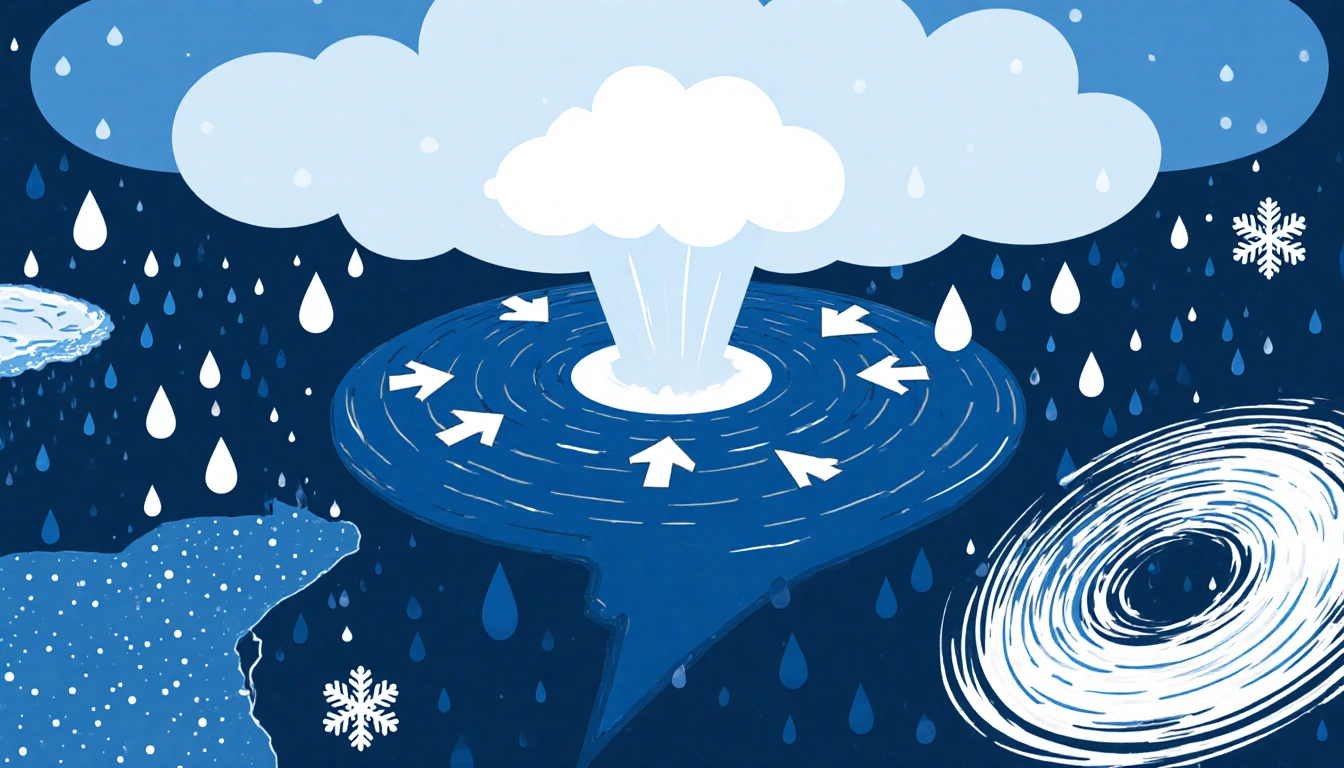
Bomb cyclones are storms that undergo bombogenesis, a process where the central pressure falls by at least 24 mb in 24 hours. This rapid drop creates a powerful low-pressure system that can produce heavy rain, blizzard conditions, and intense winds. The lower the pressure, the stronger the storm.
Andrew Orrison stated:
> “If you’re watching TV at night and the weather report comes on and you’re hearing ‘bomb cyclone’ being used, that usually means there’s quite a bit of active weather going on.”
Andrew Orrison added:
> “It’s really the clash of those air masses that really kind of helps to generate the areas of low pressure in the first place.”
Andrew Orrison noted:
> “It’s not common to get bomb cyclones at lower latitudes. So generally speaking, you wouldn’t see a bomb cyclone across, let’s say, the southern United States.”
- Heavy rain and snowfall
- Blizzard-like wind chills
- Dangerous wind gusts that can bring down trees and power lines
Where and When They Strike
Bomb cyclones can occur in any season, but they are most frequent during fall and winter when cold Arctic air meets warmer air masses. The Pacific Northwest, Alaska, and the Great Lakes region are the primary hotspots for these storms.
| Region | Frequency | Typical Conditions |
|---|---|---|
| Alaska | High | Severe wind, heavy snow |
| Pacific Northwest | Moderate | Heavy rain, strong wind |
| Great Lakes | Moderate | Blizzards, wind |
| Lower Latitudes | Rare | Rare occurrence |
These storms are rarely seen in the southern United States, where the clash of air masses is less intense.
Key Takeaways
- Bomb cyclones drop at least 24 mb in a day, creating powerful storms.
- They bring heavy precipitation, blizzards, and strong winds.
- The Pacific Northwest, Alaska, and the Great Lakes see the most frequent occurrences.
Understanding the mechanics of a bomb cyclone helps communities prepare for the intense weather it can unleash, from tree damage to power outages.